Lawrence of Arabia

Reviewed by: Thomas C. Quinlen
CONTRIBUTOR
| Moral Rating: | Better than Average |
| Moviemaking Quality: |
|
| Primary Audience: | Teens Adults |
| Genre: | Biography History War Adventure Drama |
| Length: | 3 hr. 47 min. |
| Year of Release: | 1962 |
| USA Release: |
December 16, 1962 |

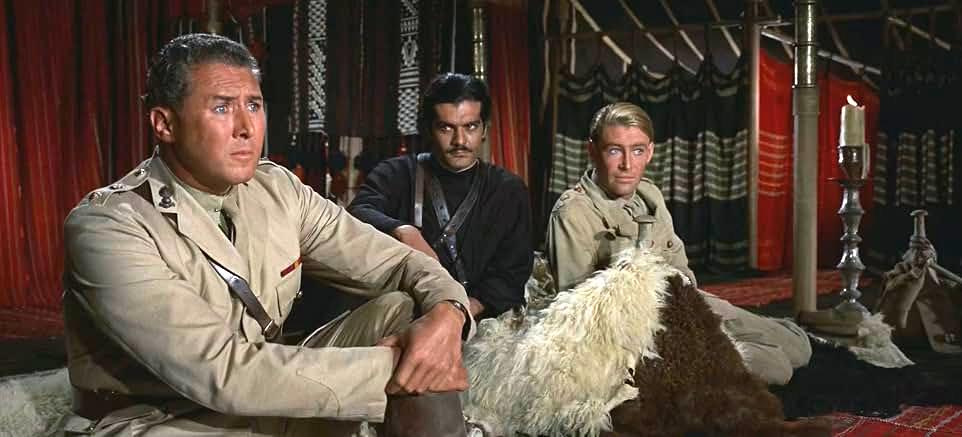
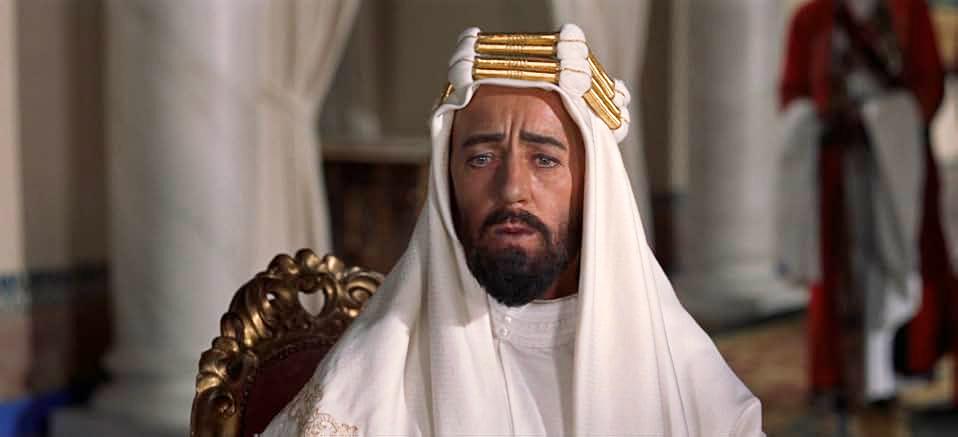
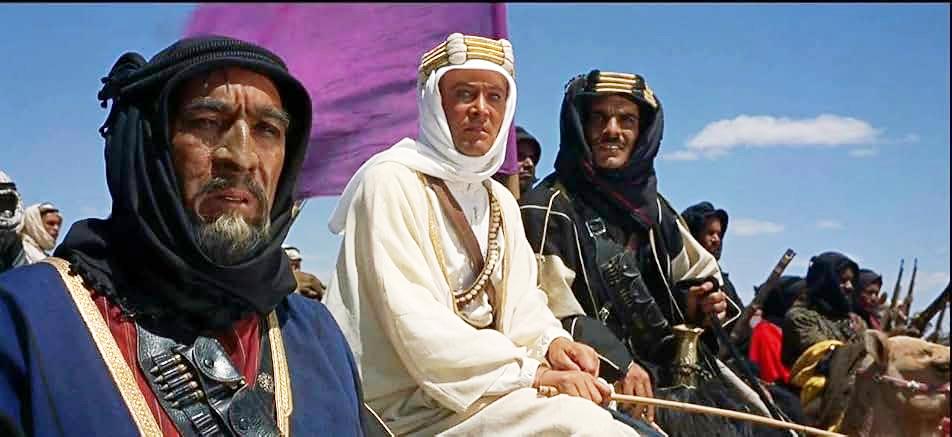
| Featuring |
|---|
|
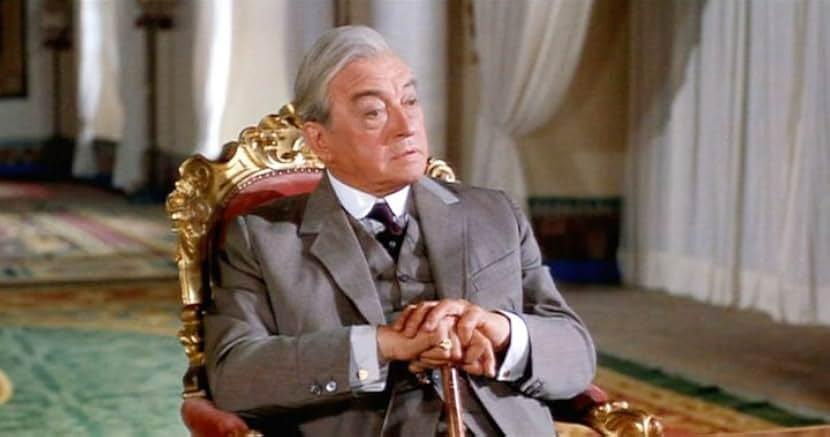
Peter O'Toole … Lawrence Alec Guinness … Prince Faisal Anthony Quinn … Auda Abu Tayi Omar Sharif … Sherif Ali Jack Hawkins … General Edmund Allenby José Ferrer (Jose Ferrer) … Turkish Bey Anthony Quayle … Colonel Brighton Claude Rains … Mr. Dryden See all » |
| Director |
|
David Lean |
| Producer |
|
Sam Spiegel Horizon Pictures [England] David Lean |
| Distributor |

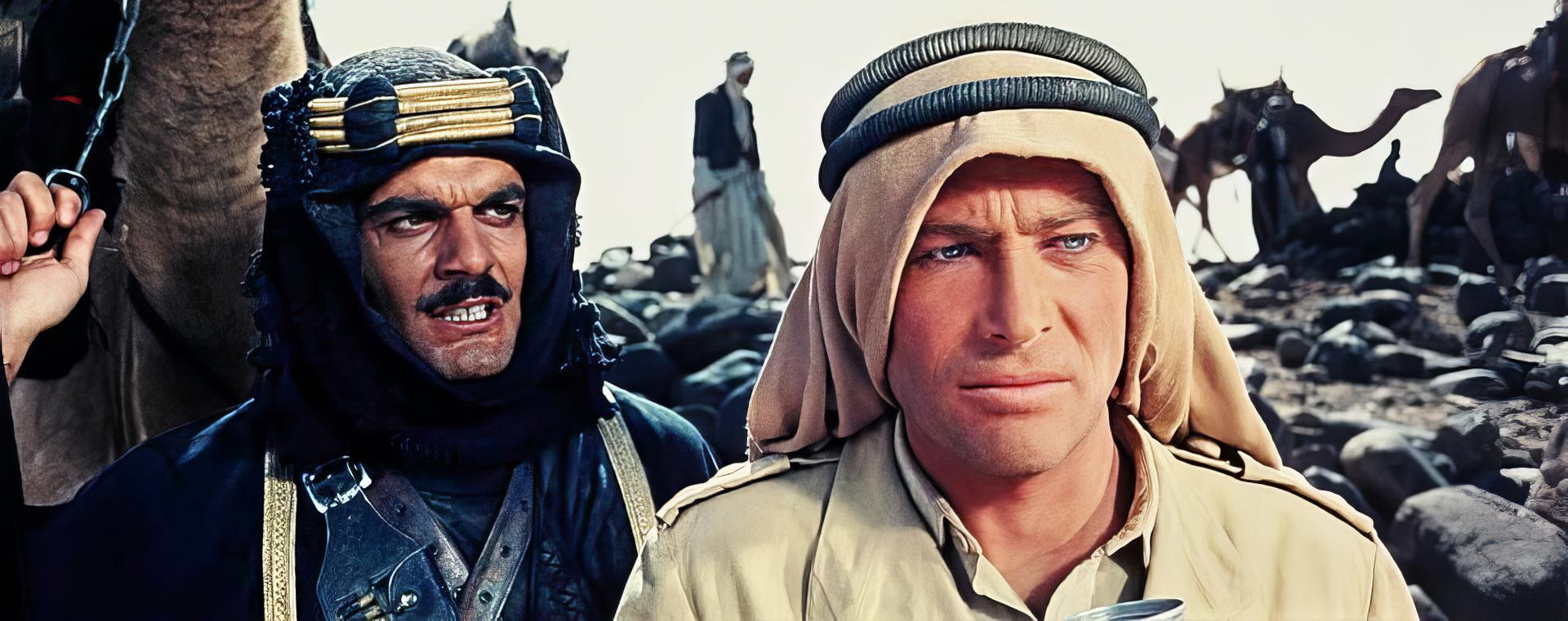
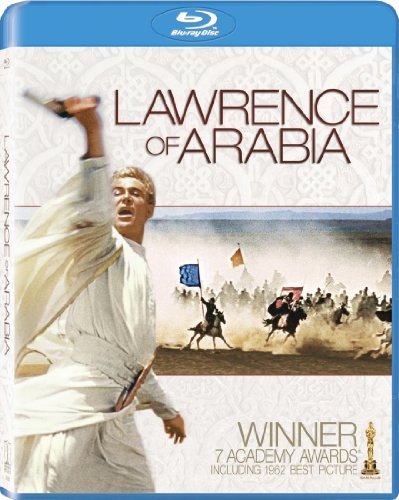
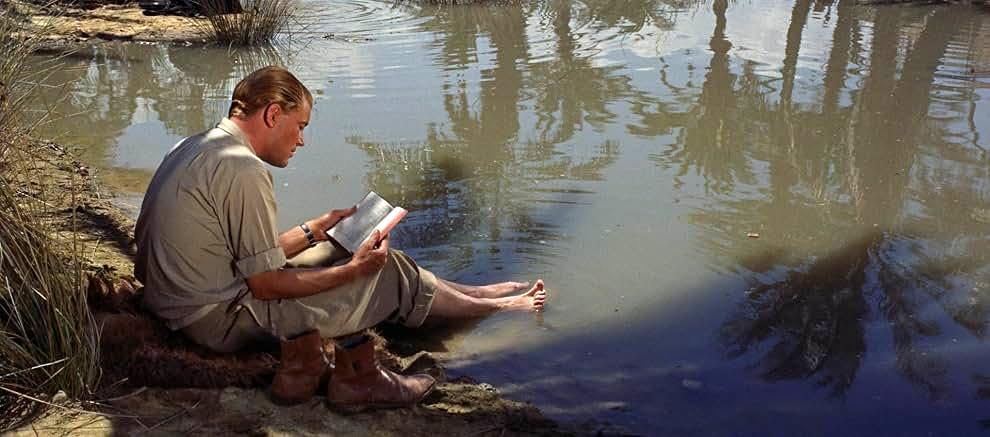
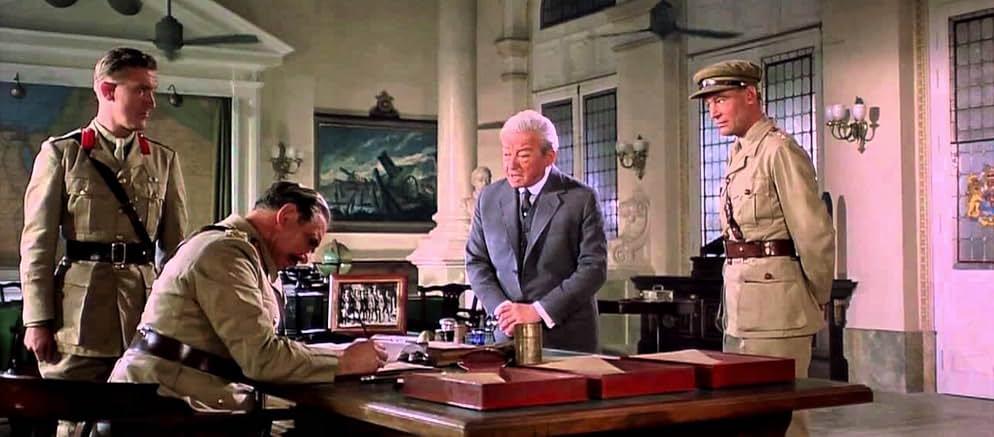
“Lawrence of Arabia” (winner of 7 Academy Awards, including best picture—1962) is the story of T.E. Lawrence, a lieutenant in the British army in World War I. The film follows Lawrence from his humble beginnings as a cartographer in the Cairo HQ, to the end of WWI, when Lawrence has been promoted all the way to colonel and is the hero of the Middle-east. It is a story of the beginning of the Arab nations and of personal triumph. It is also the story of how ambition and pride can destroy a man’s soul.
This classic film took over two years to complete, and is a monument of excellent cinematography and acting. Peter O'Toole stars as Lawrence, and he is joined by a cast that either were already great stars or would soon become stars: Sir Alec Guinness, Anthony Quinn, Omar Sherif, and many others. These great actors play against the backdrop of the vast Arabian desert, as Lawrence tries to gather together the various Bedouin tribes and make them into an army to fight the Turks.
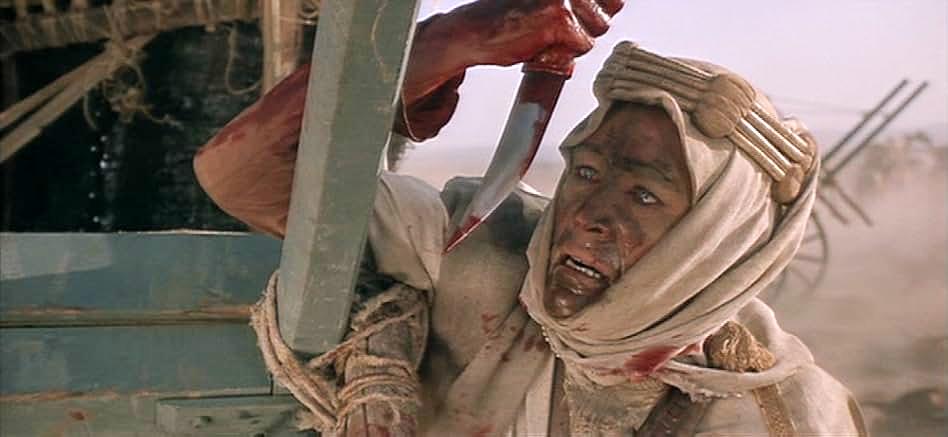
This film contains quite a bit of violence, including an execution, a caning, and a massacre. Of course, there are also battle scenes, but none of these scenes are depicted as graphically as they would be today. Lawrence is something of an egomaniac, but his personality and the problems it causes him make an excellent tool for discussion of how men can destroy themselves when they do not rely on Christ for their strength.
Everyone should see this film… eventually. It is not for small children, but teens can probably handle it. Besides being a masterpiece of film making and acting skill, and a wonderful tool for discussing the pitfalls of pride, it also sheds a lot of light on the origins of the modern problems in the Middle-east.
- Violence: • Violent war scenes • Soldier shot in head • Beatings • Blood • Implied possible rape of Lawrence by Turks
- Profane language: G*d (2), D*mn, H*ll, Bloody (about 10)
- Vulgar/Crude language: B*stard • Some racist words
- Nudity: • Male upper body • Bikini top (very brief, modest)
- Sex: None
- Drugs/Alcohol: Drinking, smoking
- Occult: None
- Wokeism: None

PLEASE share your observations and insights to be posted here.
The characters are all very well fleshed out, but Peter O’Toole steals the show as he gives a very nuanced and thoroughly motivated depiction of Lawrence, a man who according to the film, wanted to give the Arabs a chance to free themselves from tyranny, an ideal that founded Western civilization. But he also has clear convictions on killing and murder that makes his crusade a difficult one to actually carry out for him. Christians have debated about whether the sixth commandment in Exodus 20:13 counts prohibits killing in general or just unjustified killing. While I’m sure most of us have landed on the latter, for those of us who share a conviction against taking a life regardless of the circumstances, myself included, this theme will no doubt strike a chord.
The real heart of the film is that Lawrence tries to figure out who he really is in the grand scheme of things. He considers himself an ordinary man most of the time since he sees his help in the Turkish-Arab conflict as just that, help. But on the other hand, he also is a man with strong conviction on leading others to finding their freedom. And his willingness to act on that is what makes him extraordinary, especially in the eyes of history not just the film, even if his efforts are ultimately denied by the Arabs in favor of British ruling. For Christians, that kind of willingness for the destiny God sets out for us is something we should all strive to have, even if we feel at times just like ordinary men.
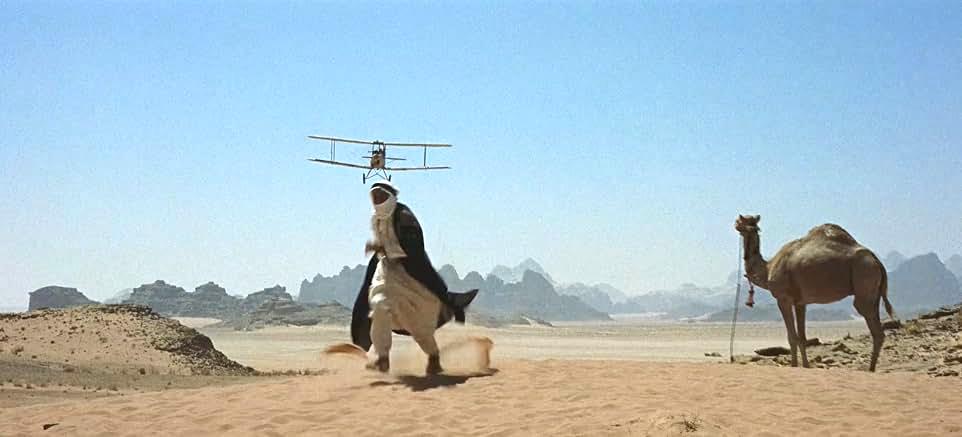
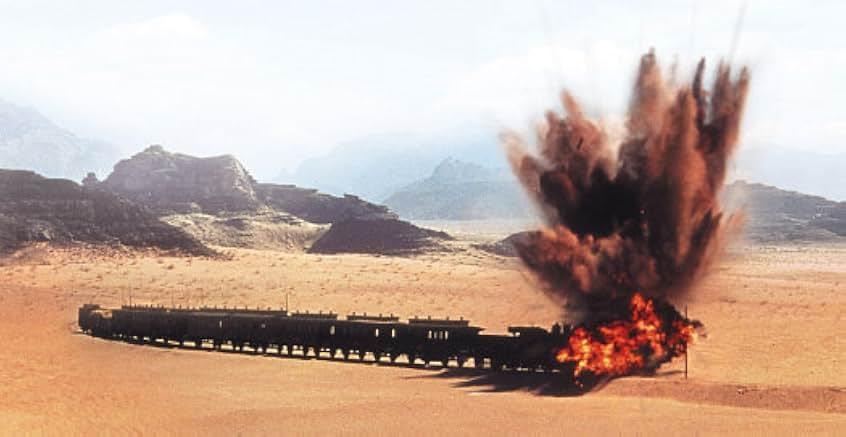
But what makes the film stand out even to this day are the visuals. The CinemaScope aspect ratio and sweeping cinematography capture the desert in all its rich vastness. A lot of the movie really is just people walking around in the desert. But when you spend so long with the characters in this endless sandy wasteland, you understand their struggles to get from one place to the other. In turn, that makes the story all that more grand in scale. If you can see this on the big screen, I highly recommend you do so.
From a Christian standpoint, there isn’t that much to be outright offended by. That being said, this isn’t a film for anyone younger than a teen. That should be obvious since this isn’t a story that’ll interest young kids, or anyone with a low attention span. But as a Christian, I do have to throw out a couple minor things to be cautious about:
1. The violence. “Lawrence of Arabia” is not gratuitous or graphic in its violence. In fact, in 1988, this was rated PG. But nowadays, this would probably fall into the PG-13 camp (albeit in the lower end). People are shot, stabbed, and tortured, and you can sometimes see their bloody wounds after the fact. The movie isn’t as intense as plenty of stuff nowadays, and it keeps the most disturbing violence off-camera, but parents with kids will need to consider this before letting young ones see it.
2. The theology. Islam isn’t exactly promoted in the film, in fact Lawrence even at one point proves that he can defy the “will of Allah” (“nothing is written”), but the religion is shown as highly prominent in the Arab region, and appropriately so. That leads to a lot of Arab characters calling on, praising, and having discussion about the will of their god. But us Christians know they’re talking about Allah, not the God of Christianity. Thus, new or undiscerning Christians need to learn that despite the clear devotion to religion these characters share on-screen, their prayers and theology is not something to be imitated.
Elsewhere of potential concern is around 25 instances of mild profanity including “d*mn, ” “h*ll, ” “b*st*rd, ” misuses of God’s name, and the derogatory term “wog.” Spread out over 4 hours of runtime, though, the language is surprisingly sparse.
Bottom line: For those old enough to navigate the issues, I highly recommend “Lawrence of Arabia.” It’s tells a fascinating historical story in a much more fascinating way. With its immense scope, sweeping landscapes, and its excellent lead, this film will no doubt make for an unforgettable cinematic experience. Trust me, it’s well worth all 4 hours of its runtime.
My Ratings: Moral rating: Average / Moviemaking quality: 5