What is…
Hinnom
also known as: Valley of Ben-Hinnom and Hinnon
Hebrew: הִנֹּם —transliteration: Hinnom —occurrences: 13 times in the books of Joshua, Kings, Chronicles, Nehemiah and Jeremiah
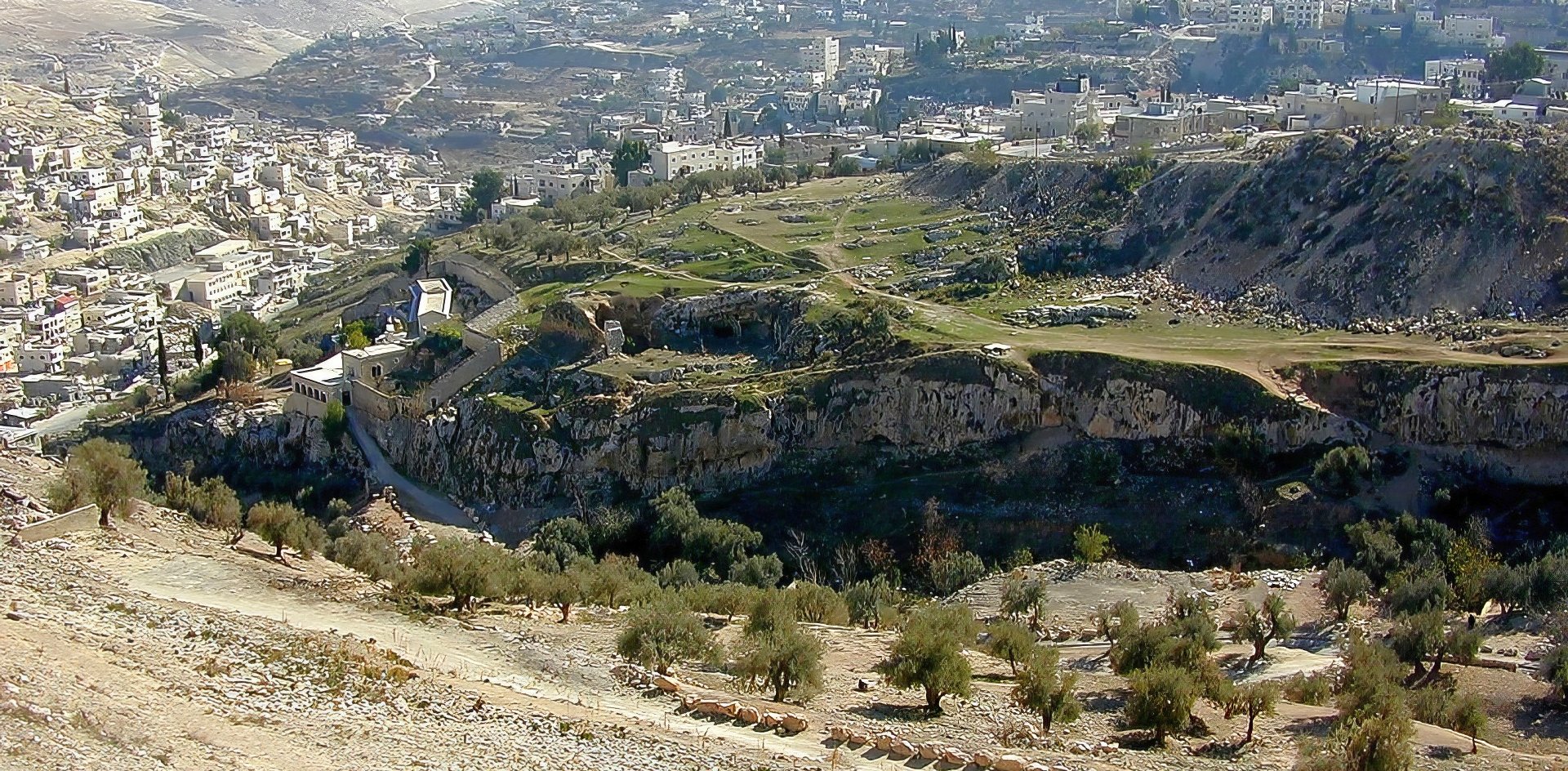
This is the name of a deep, narrow valley separating Mount Zion from the so-called “Hill of Evil Counsel.” It took its name from some ancient hero, the son of Hinnom. He may have been a Jebusite.
This valley is first mentioned in the Bible in Joshua 15:8, in connection with the Jebusites and the Valley of Rephaim. It later became known as an evil place, where idolatrous Jews burned their children alive to Molech (aka Moloch) and Baal.
A particular part of the valley was called Tophet, or the “fire-stove,” where the children were burned.
After the Exile, in order to show their abhorrence of this area, the Jews made the valley a city garbage dump, and it is supposed that a fire was kept continually burning there to destroy the garbage and its stench.
The Jews associated this valley with these two ideas: (1) that of the sufferings of the victims that had there been sacrificed; and (2) that of filth and corruption.
Thus, it became a popular symbol of the abode of the wicked hereafter. It came to signify hell as the place of the wicked.
“It might be shown by infinite examples that the Jews expressed hell, or the place of the damned, by this word. The word Gehenna [the Greek contraction of Hinnom] was never used in the time of Christ in any other sense than to denote the place of future punishment.”
About this fact there can be no question. In this sense, the word is used 11 times in our Lord’s discourses (Matthew 23:33; Luke 12:5; Matthew 5:22, etc.).
Q & A
- Answers about the valleys of the Bible
- What is Gehenna?
- What is the Hill of Evil Counsel?
- What is Topheth (aka Tophet)?
- About idolatry and false gods in the Bible
- Who is Molech (aka Moloch)?
- Who or what is Baal (Ba'al)?
- HELL: Fact or Fiction—Is it an actual place?
- What is the Final Judgment? and What do I need to know about it?
- What is damnation?
- What is Zion?
- What is Mount Moriah?
- What is Jerusalem, and why is it highly significant in world history and future events?