How to Rob a Bank
 for language, some violence and brief drug use.
Reviewed by: Pamela Karpelenia
CONTRIBUTOR
| Moral Rating: | Extremely Offensive |
| Moviemaking Quality: |
|
| Primary Audience: | Adults Young-Adults |
| Genre: | Action Dark-Comedy Crime |
| Length: | 2 hr. 2 min. |
| Year of Release: | 2026 |
| USA Release: |
November 13, 2026 (wide release) |
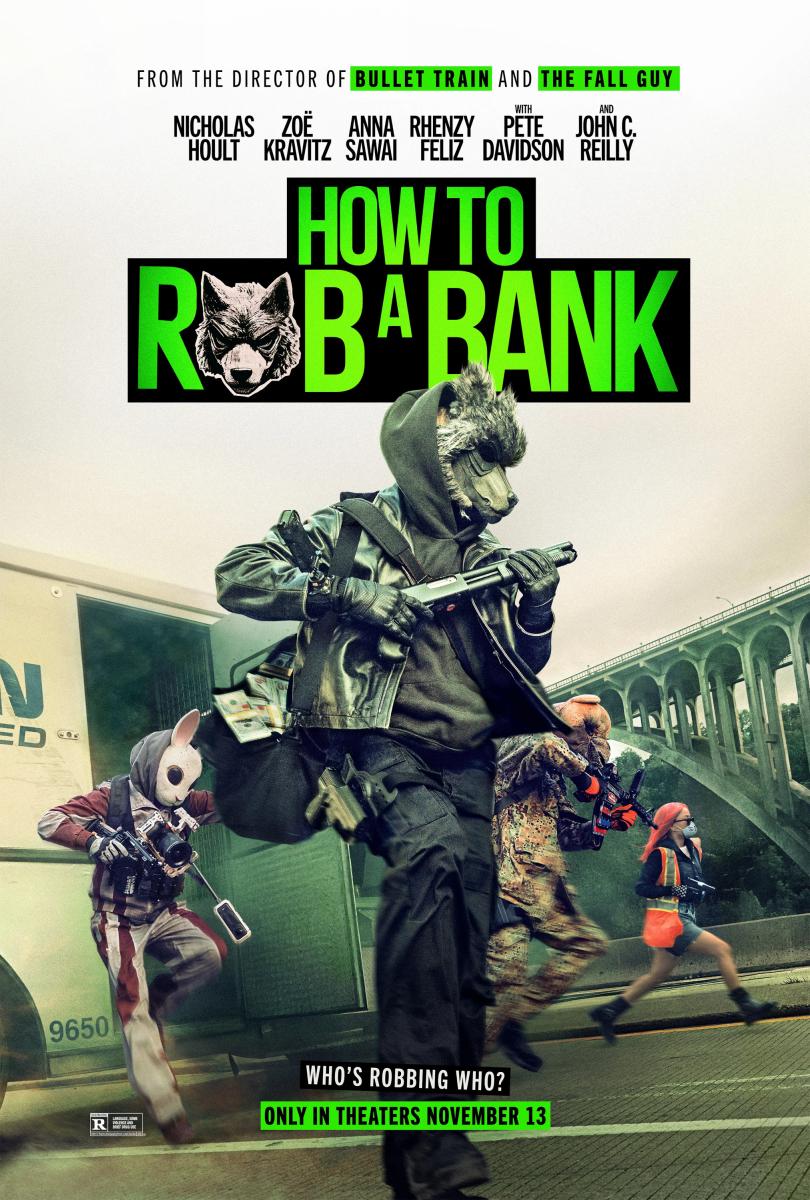

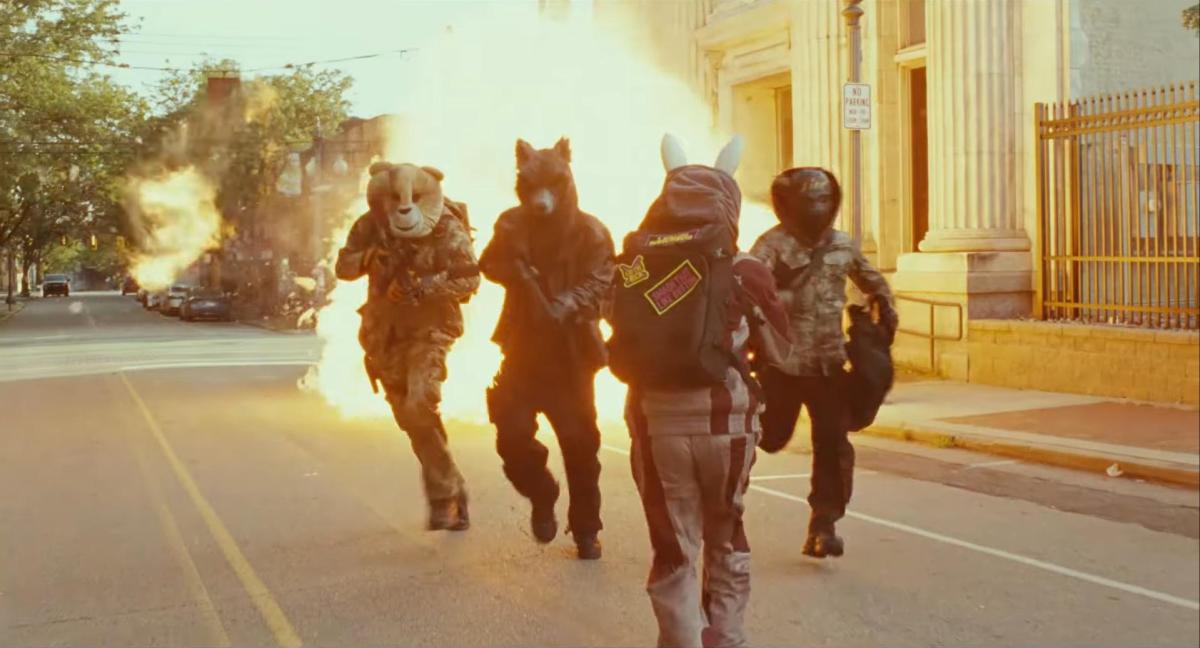


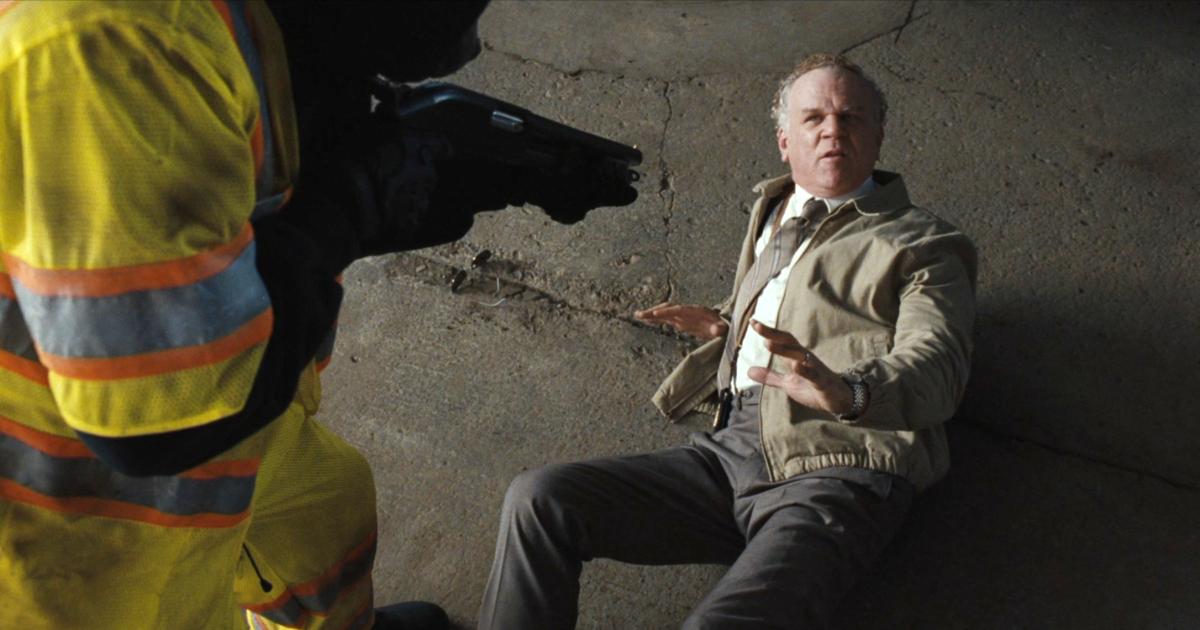
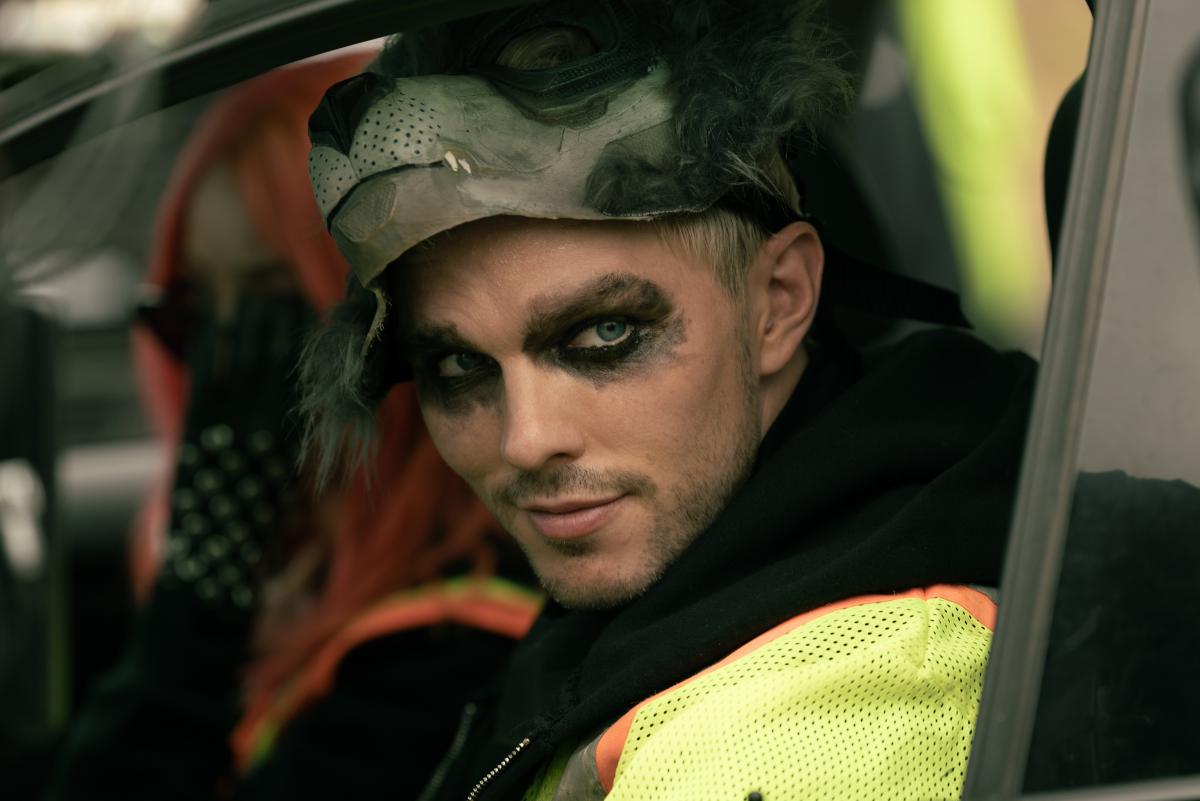
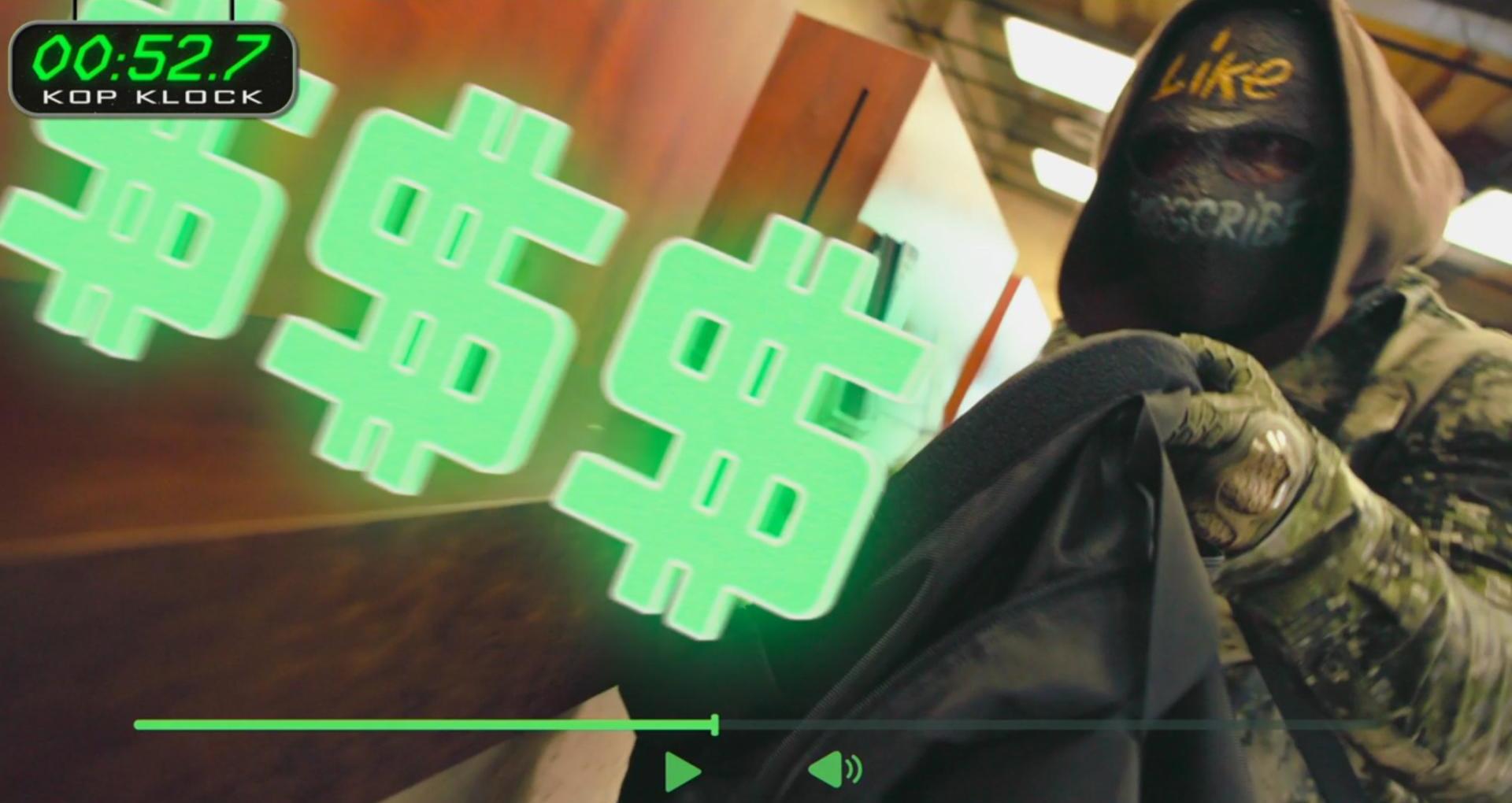
Ryan (played by Nicholas Hoult) is the leader of the an Internet-savy heist crew, and this character’s backstory is centered on profound loss and a grudge against the banking system.
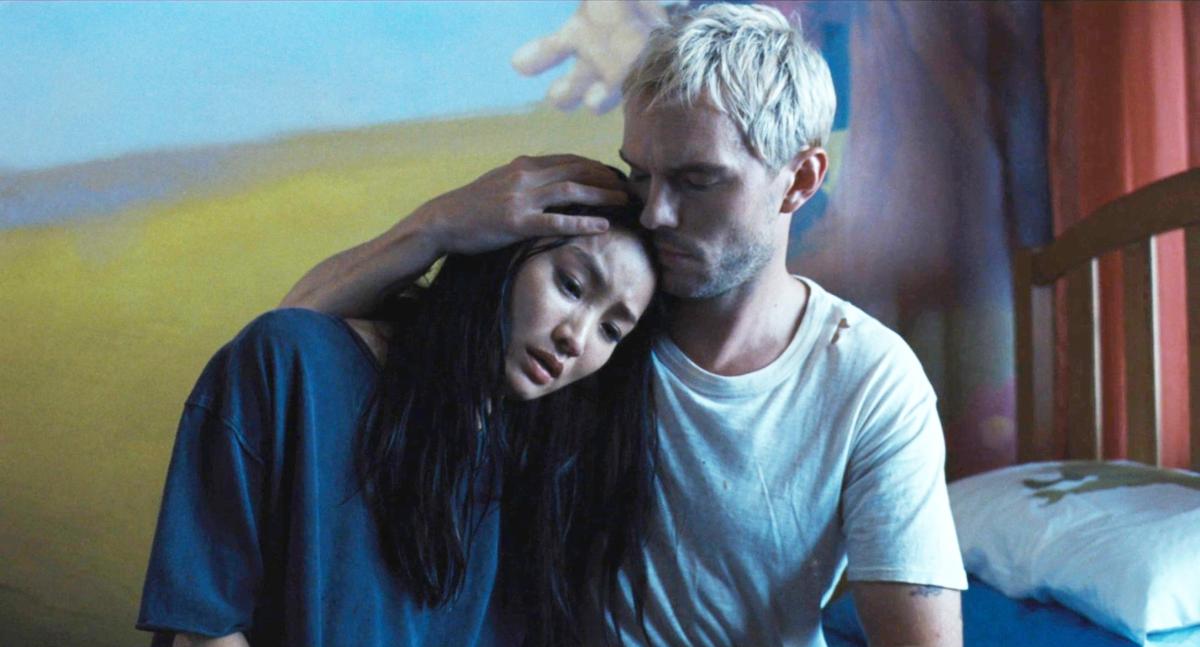
Ryan is portrayed as a gray-area anti-hero whose persobnal tragedy radicalizes him into taking extreme action. He confronts Christian Slater’s character (Walton, associated with the bank) with the line: “Your bank killed my son.”

Ryan turns the crew’s crimes into a viral YouTube-style tutorial channel called How to Rob a Bank! and explains “Why You Should Join Us.” He frames the robberies as both entertainment and a form of resistance, arguing that “an audience is more powerful than money.”

The group has already hit multiple banks and built a massive following.
Online audience demanding more
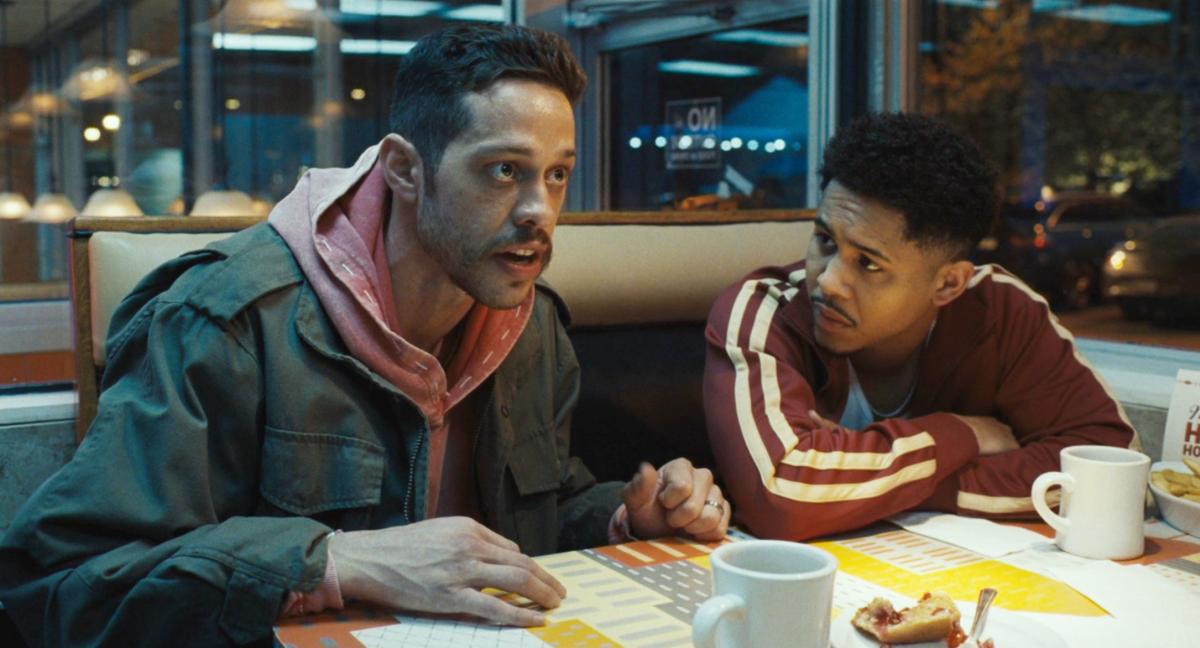
Attempting to justify and glorify sinful illegal actions
Blurring the lines between good and evil
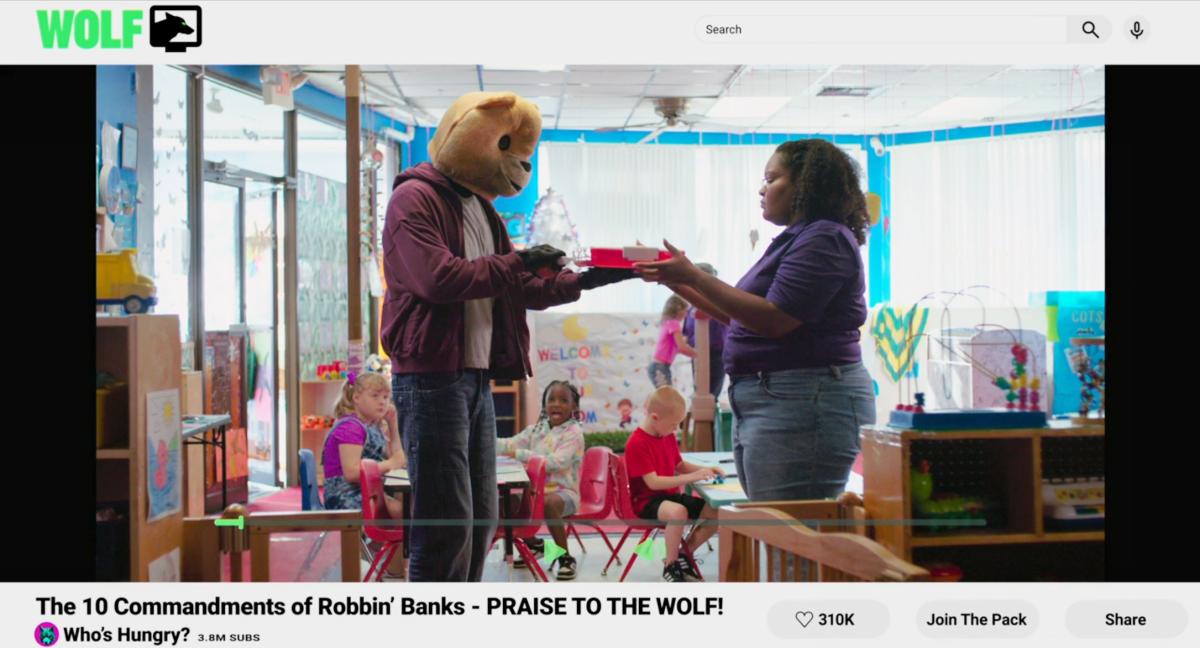
The crew operates with a Robin Hood ethos: stealing from banks while directing some of the money toward ordinary people and legitimate causes.
Learn about spiritual darkness
 Answers about robbery, stealing, and theft in the Bible
| Featuring |
|---|
|
Nicholas Hoult … Ryan Christian Slater … Walton Zoë Kravitz (Zoe Kravitz) … Reagan Gardner John C. Reilly … Agent West, veteran FBI agent Pete Davidson … Vince Tati Gabrielle … Skyler Anna Sawai … Emi Rhenzy Feliz … Hugo See all » |
| Director |
|
David Leitch |
| Producer |
|
Brian Grazer David Leitch See all » |
| Distributor |
“Hungry?”
“How to Rob a Bank” opens with narration presenting some rather depressing statistics about the likelihood of buying a home, becoming a millionaire, and achieving financial success. It then establishes the idea that you are more likely to succeed at robbing a bank, 90% more likely, to be precise, than achieving some of those other goals.
From there, the film introduces the use and power of social media, clicks, views, and an online following to gain support for the people involved. This sets the stage for the film and its overall message.
Nicholas Hoult plays a very strong and empathetic character. Unfortunately, the actress portraying his romantic partner Emi (Anna Sawai) fell rather flat for me. Zoë Kravitz is also in the film, and I couldn’t help but feel that she was there for food product placements. It was strange and somewhat off-putting. Her acting isn’t horrible by any means, but I wish they had given her something else to do besides eat. John C. Reilly was actually quite good. His character had a solid arc,, and he plays the straight-laced, by-the-book personality well. Surprisingly, Pete Davidson is pretty compelling as an actor, too. The plot feel is similar to “Now You See Me,” but more preachy. It glorifies bank robbery and redistributing wealth, and presents these actions as a form of justice.
Objectionable Content
There is an abundance of objectionable content, beginning with the obvious premise of stealing. There is blood, violence and drug use. There is also plenty of swearing, some scantily clad clothing, and an intimate scene where nothing explicit is shown, but the implications are highly suggestive.
Robbery is obviously the central premise, but what concerns me more is how the film attempts to justify it.
These characters are dealing with loss, illness, betrayal, and frustration with the world around them. Their answer is essentially to rage against the machine. Capitalism is horrible, corporatism is horrible, and robbing banks becomes their way of waking up the masses and shaking things up. That message is prevalent throughout the entire film. I’ve said before that movies are sermons with pictures, and the sermon here seems to be that corporate greed is bad, and anarchy is somehow the answer.
While there are obviously problems with the system, the answer is not to rob.
There is also a mock-style portion involving their social media following where they appear to mock a Christian, even going so far as to offer praise to The Wolf. I found this unnecessary. It didn’t need to be included, but I believe the filmmakers were attempting some kind of moral grandstanding.
It can be incredibly difficult to witness the corruption that genuinely exists in this world and not want to do something about it. As Christians, we are called to give generously, help those in need, and care for others. However, we are not called to rob from one person to provide for another. Scripture makes it clear that generosity and compassion are virtues, but they do not justify wrongdoing.
Overall, there were some compelling performances, and the premise certainly had its moments.
However, discernment is needed when watching this film. the Robin Hood mentality, the idea of fighting corporate greed, and the appeal of taking from the wealthy to help the poor can certainly resonate with audiences.
But as Christians, we must remain grounded in Scripture and recognize that a seemingly noble cause does not automatically justify immoral actions.
My recommendation is to watch with discernment, particularly when it comes to the film’s underlying message, or rather, its sermon.
- Wokeism: Extreme
- Violence: Very Heavy
- Profane language: Very Heavy — 80+, including F-words (50+), Mother f__ (2), S-words (22), D*ck (1)
- Vulgar/Crude language: Moderate —G*d d*mn (3), OMG (1), Holy sh*t (3)
- Drugs/Alcohol: Heavy
- Nudity: Moderately Heavy
- Sex: Moderately Heavy
- Occult: Mild
Be wise, every follower of Christ should avoid spiritual darkness and seek spiritual light
Learn about DISCERNMENT, wisdom in making personal entertainment decisions
 Every time you buy a movie ticket or buy or rent a video you are in effect casting a vote telling Hollywood, “I’ll pay for that. That’s what I want.” Read our article
See list of Relevant Issues—questions-and-answers.