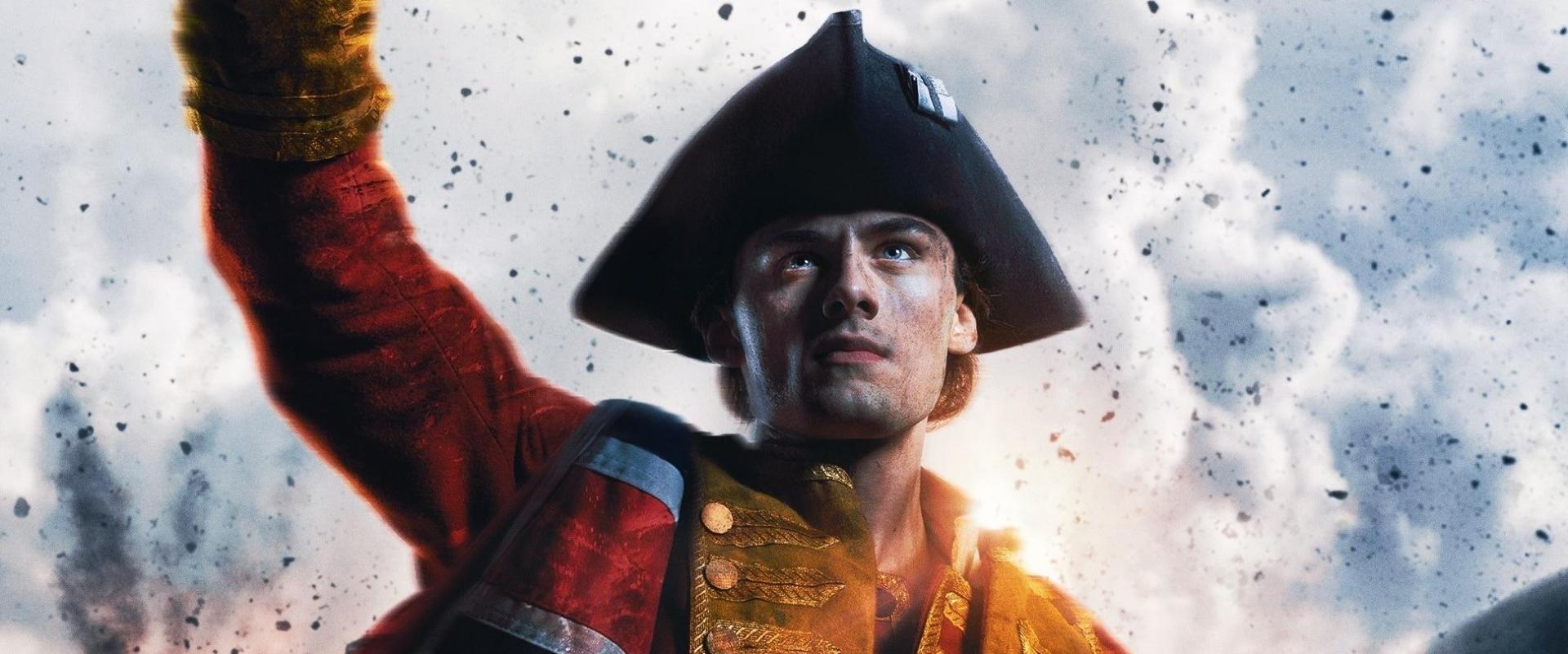
Young Washington
 for sequences of strong war violence and some bloody images.
Reviewed by: Samuel A. Torcasio
CONTRIBUTOR
| Moral Rating: | Average |
| Moviemaking Quality: |
|
| Primary Audience: | Adults Young-Adults Teens |
| Genre: | Action Adventure Biography |
| Length: | 2 hr. 5 min. |
| Year of Release: | 2026 |
| USA Release: |
July 3, 2026 (wide release) DVD: September 22, 2026 |
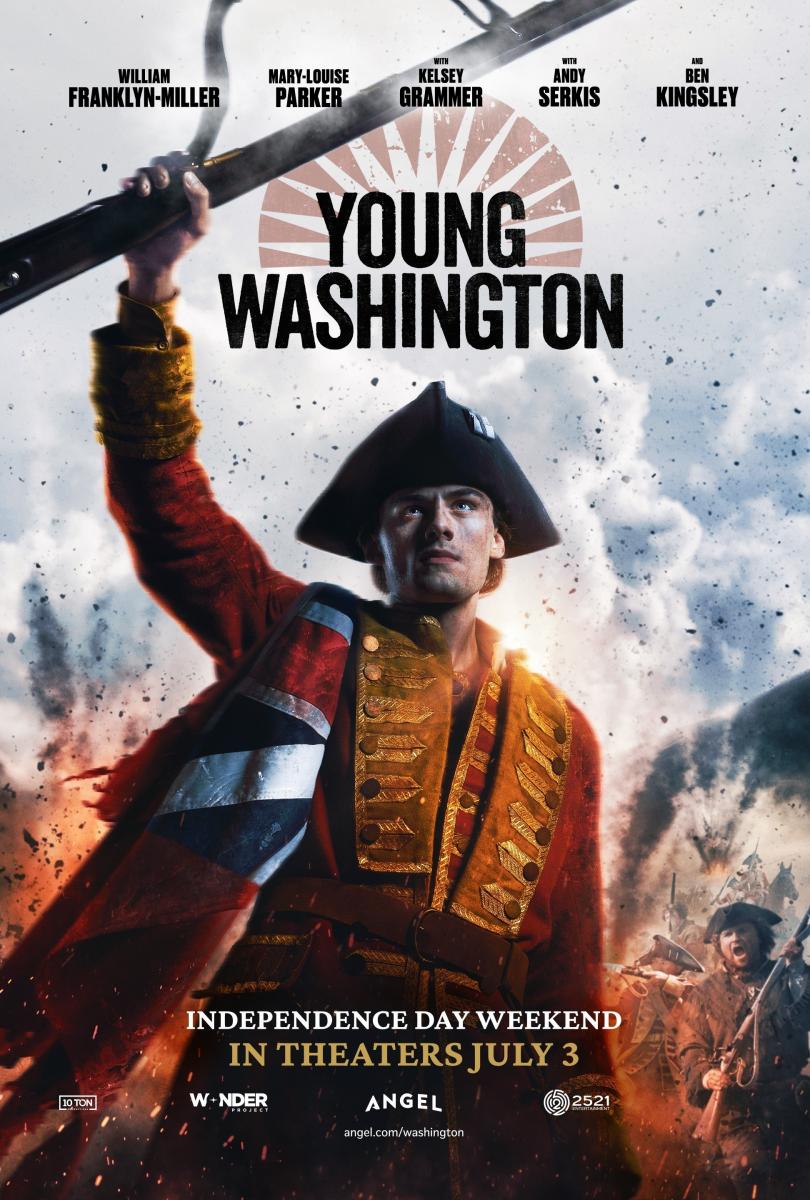

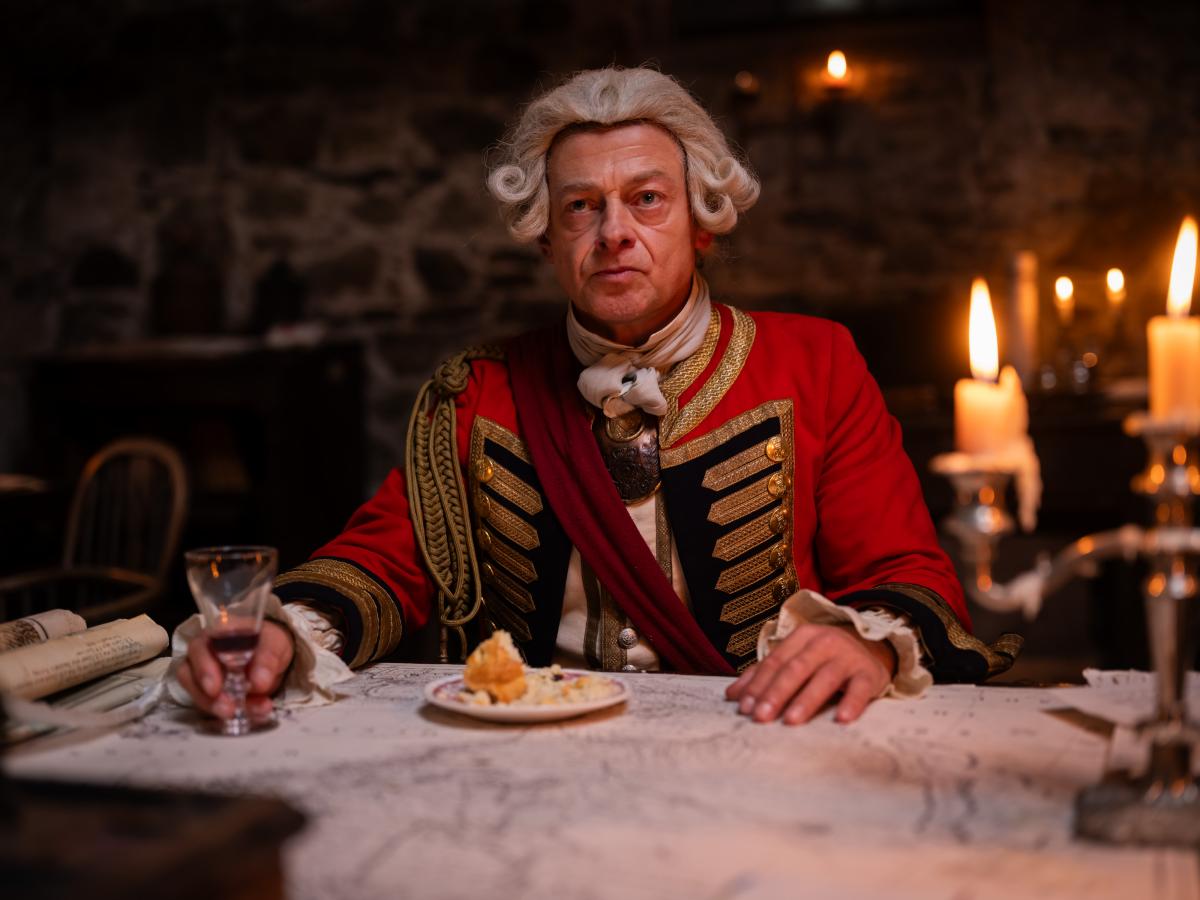
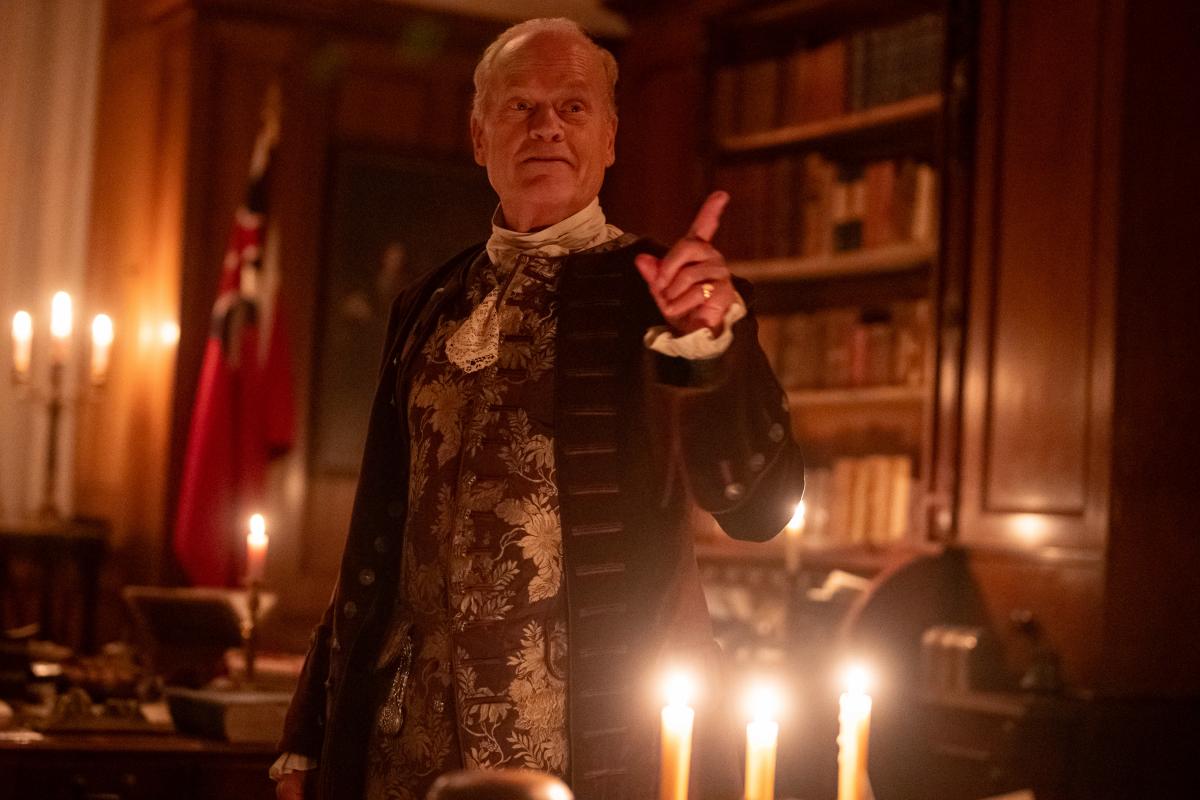
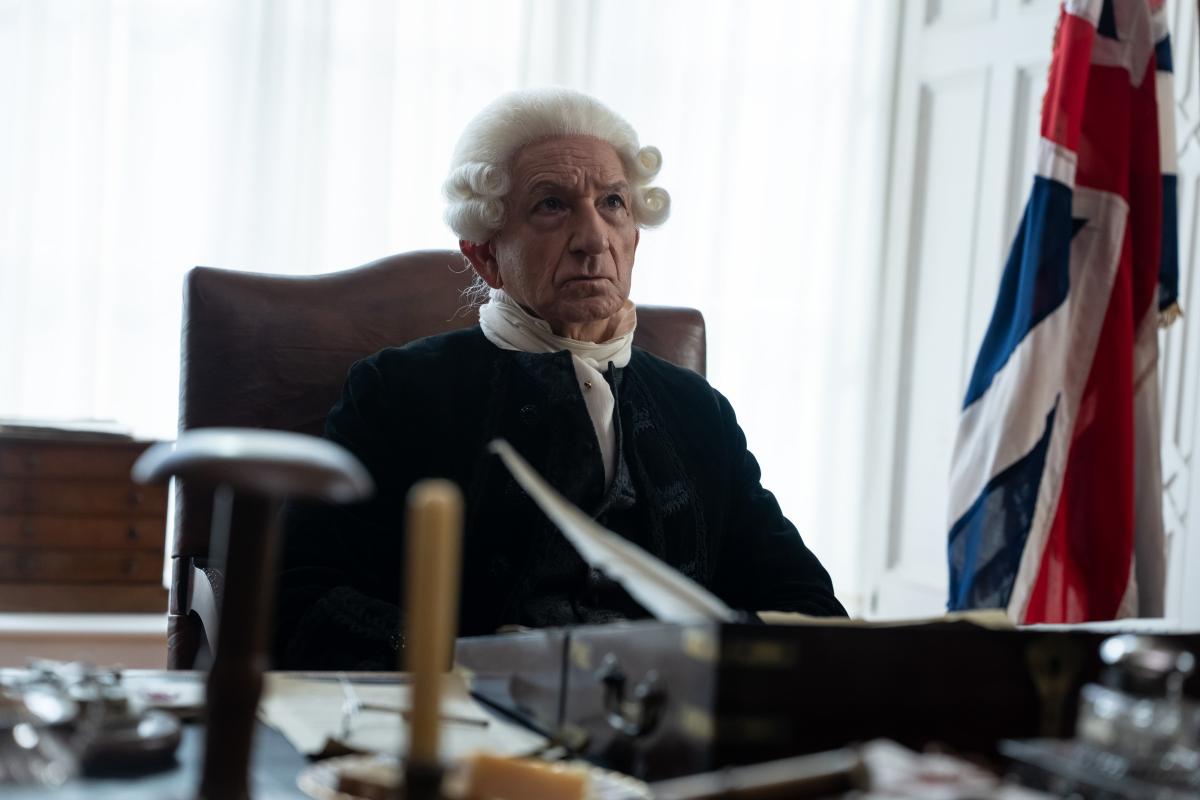
Early life of a Founding Father of the United States of America
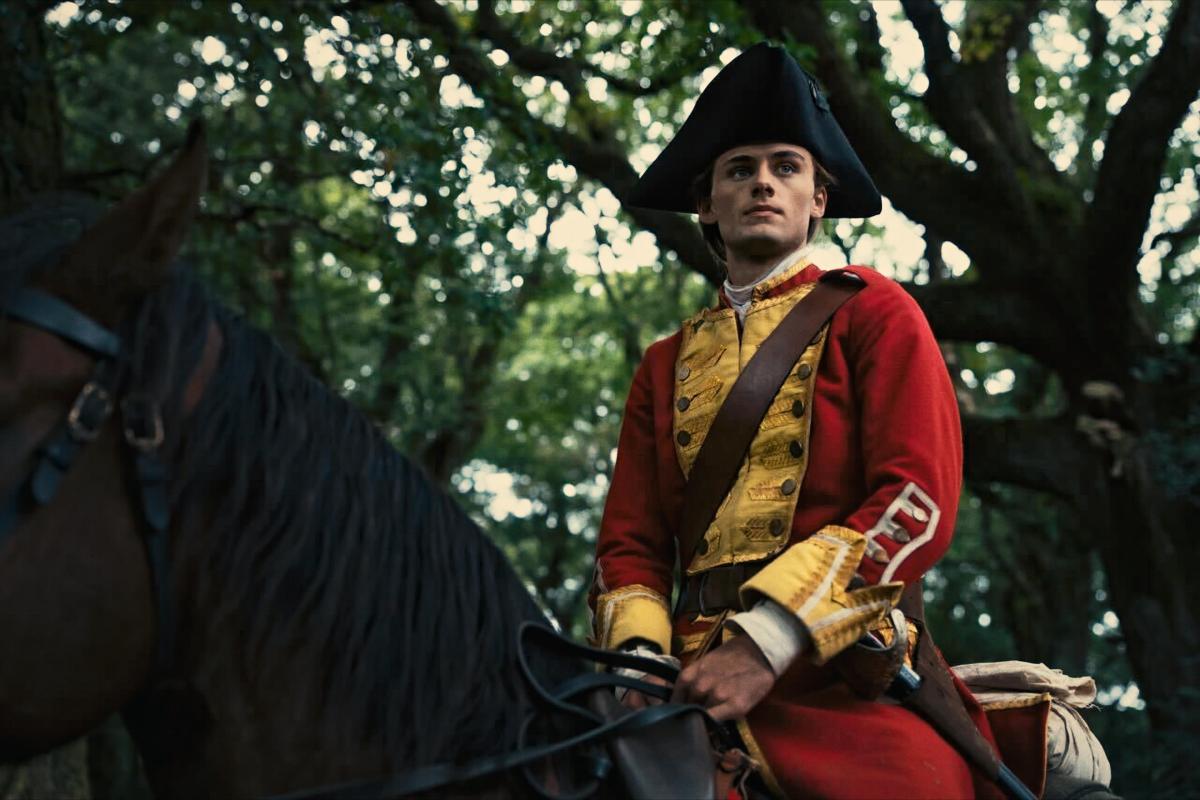
Focuses on George Washington’s experiences and command in the French and Indian War (1754 to 1763), before the American Revolutionary War and his presidency.
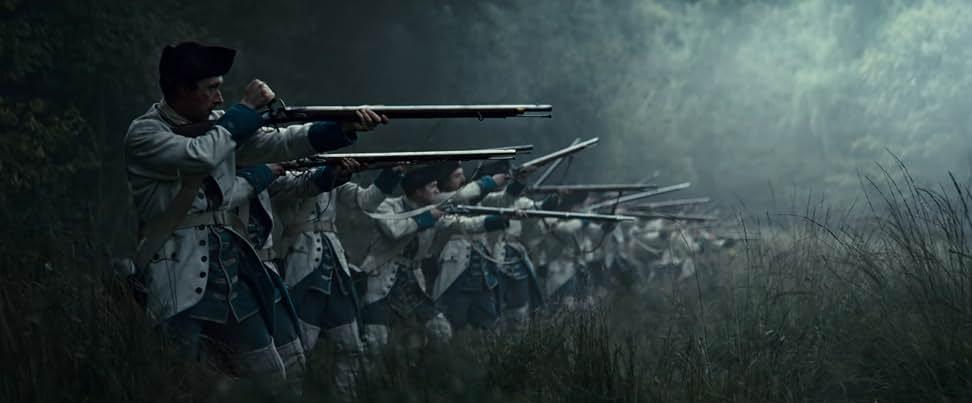
This war was a conflict in North America between Great Britain and France, along with their respective Indigenous allies.
| Featuring |
|---|
|
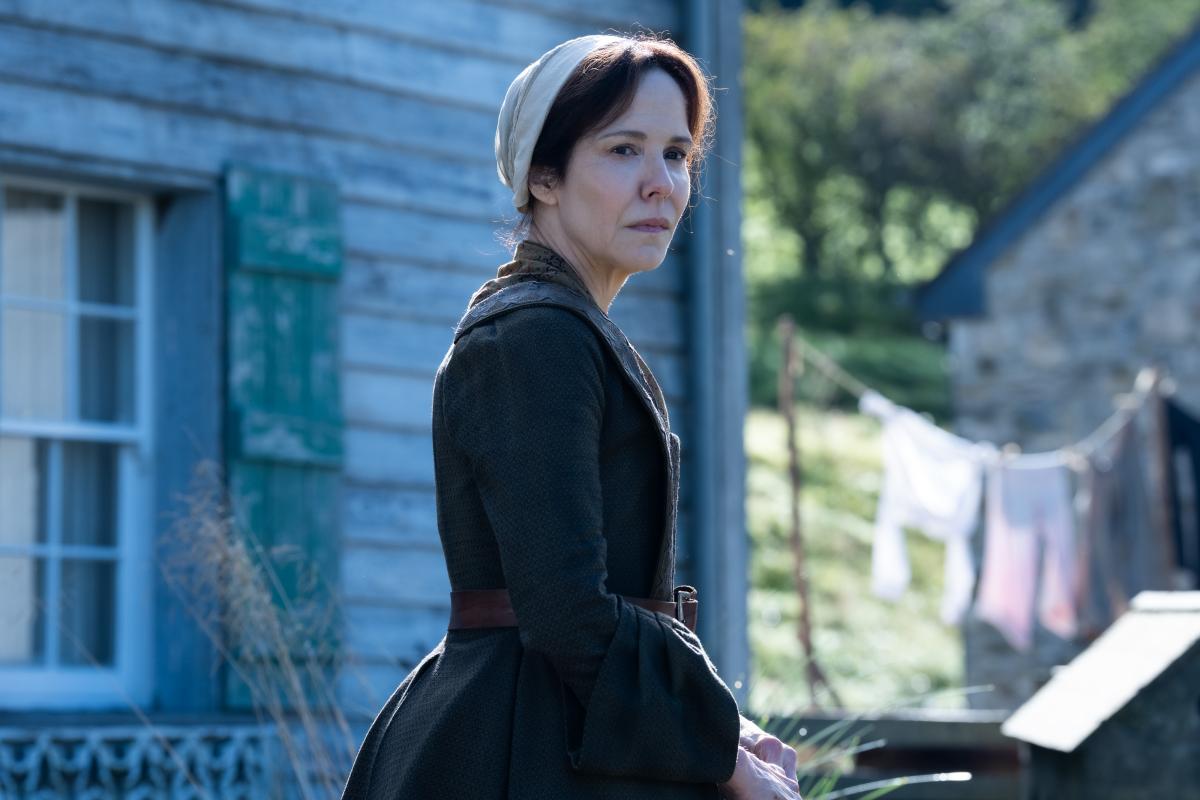
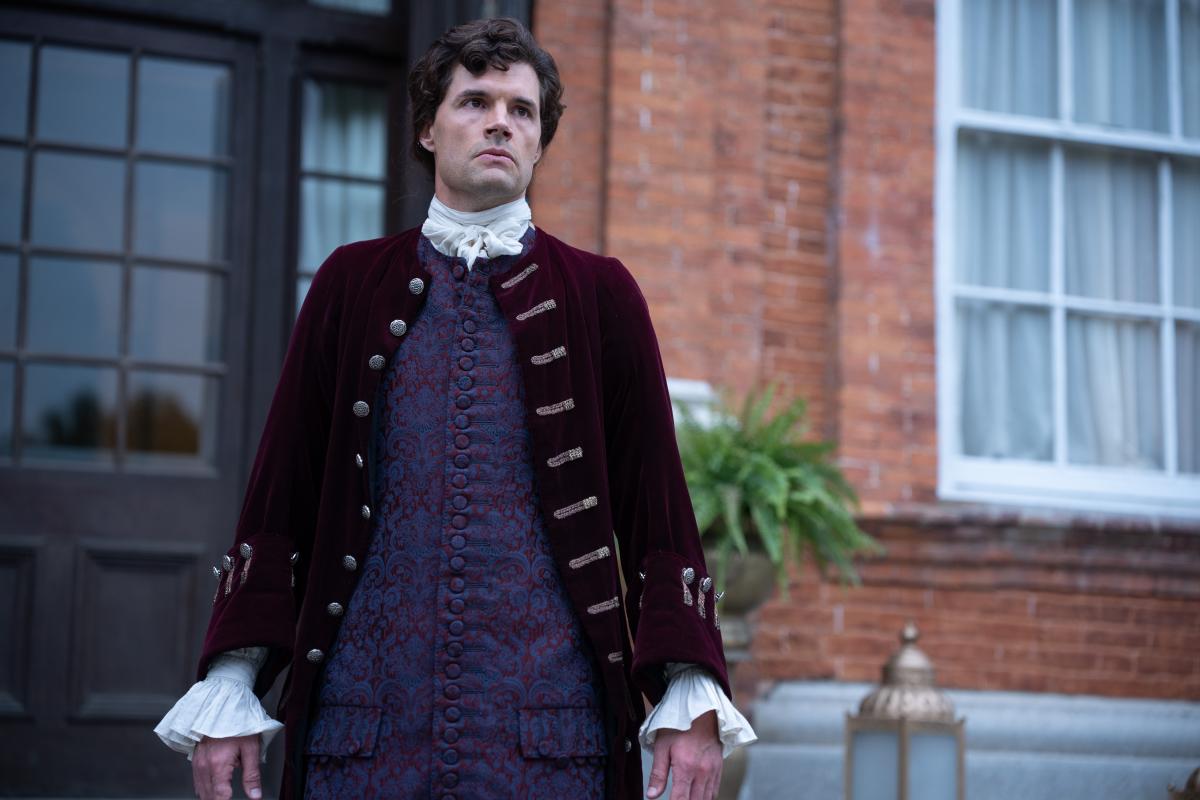
William Franklyn-Miller … George Washington Andy Serkis … Edward Braddock, British Commander-in-Chief, North America Ben Kingsley … Governor Robert Dinwiddie of Virginia Mary-Louise Parker … Mary Washington Kelsey Grammer … Lord Fairfax Jonno Davies … James Mackay, Scottish captain in the British Army Joel David Smallbone … William Fairfax, British-born American customs official, judge, planter and politician who spent much of his life in the colony of Virginia See all » |
| Director |
|
Jon Erwin |
| Producer |
|
Wonder Project Jon Erwin Provident Films See all » |
| Distributor |
 Angel Studios |
“To lead is to forfeit the right to make excuses.”
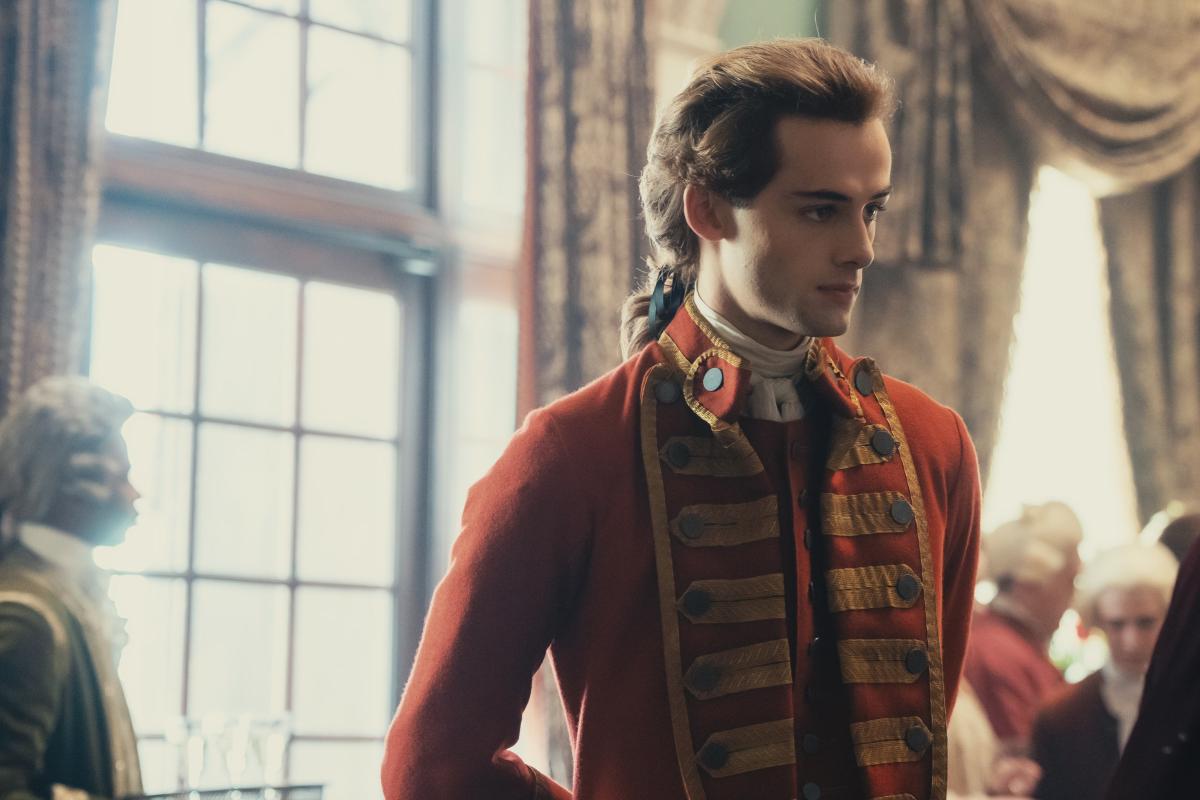
Just in time for America’s 250th anniversary, “Young Washington” has hit the theaters. This film is not directly about 1776 or George Washington’s leading of the Continental Army, but rather prior events in an earlier war that helped shape him into a future American leader. Visually, the film is impressive. Great cinematography. Costume and set designs look great too. Battle sequences are convincing and intense. And the film features a top-notch cast of actors.
Providence is a big theme in this film, even though some of the characters refer to luck. The reality of death is also addressed throughout the film in various ways. It begins with the death of George Washington’s father. One of the characters who begins to become sick tells a concerned young man, “All men die, George.”
One of the characters says, “Providence denied me.” In response to this a young Washington responds, “Providence is cruel.” The young George’s response is especially noteworthy considering the way that the movie ends.
The book of Job deals directly with God allowing trials in the lives of His people. It is not always easy for us to understand or accept the trials that come our way. Job was a man that loved and feared God, yet he struggled greatly in the midst of His trials.
God promises His children that everything in the end will work out for their good (see Romans 8:28). Being a believer does not mean everything goes perfect in this life. Being an unbeliever does not mean everything is hard and difficult in this life (see Matthew 5:45). What is of most importance is that you have been forgiven of your sins and reconciled back to God, and the only way to be reconciled to God is through His Son Jesus Christ (see John 3:16-21; John 14:6). Dear reader, if you have not, please put all your trust in Jesus Christ today.
Other concepts addressed in this film are leadership and the costly price that comes with it, prayer, and learning from failure, as well as pride and the downfall that follows it (see Proverbs 16:18).
This motion picture also gives an idea of the tension that existed between the American colonists and the British imperialists. George Washington was an ambitious young man, but because he was not of a noble class he is looked down upon and has a difficult time getting into the British military. He is told by a concerned family member, “You’re betting your life on a system designed to deny you.”
Another phrase mentioned multiple times in the movie is, “Even a pawn can take a king.” Such a phrase is symbolic of what would happen in the Revolutionary War and the American Colonies gaining their independence from the British crown.
While the film has themes of prayer and providence, it does not delve deeply into the personal faith of George Washington. There are different opinions and questions regarding his faith at this time in his life, and this picture does not analyze that, so that discussion is beyond the scope of this review.
What this movie provides is a look at George Washington before his leading the Continental Army in the Revolutionary War. It gives us a glimpse of his time serving under the British. A time when he was younger (hence the film’s name), made mistakes, and grew into the man, military commander, and leader he was to become.
It takes a look at an era that probably not many Americans think about, but is a time worth considering. The movie portrays the tensions that were already growing between the people of the colonies and Great Britain. Though it does not cover 1776 directly, it sets it up well. To learn more one is going to have to take up further reading, but this movie serves as an introduction to Washington’s younger days. It is a movie and it is not going to cover everything and it no doubt takes some artistic license.
You may have heard the famous story of George Washington and the bullet holes in his jacket and hat. The Natives were stunned that he survived all the shooting, especially since they were shooting right at him. This movie puts that to the big screen. During the scene where the Natives share what they saw, they seem to do so from a Native American religious perspective. The movie does not add much further comment to that. Though interestingly enough it appears that the chief is wearing some kind of a cross. How much these Native Americans were or were not influenced by Christianity I have not had the time to research. The reader may want to look into this further.
It is interesting to note, as I understand it, that this story of the bullet holes was told in our schools until the 1930’s. Very curious as to why it stopped being told. It is not the purpose of this review to verify this account, but along with this account there are other mysterious circumstances that have been reported in the beginnings of our nation that have seemed to favor the formation of this country and may be signs of the hand of providence. What we can know for sure, is that God wanted this nation to be here. We have a purpose as a nation. In fact by the time of the events of this film, the first Great Awakening, a time when a large amount of people were born again and came to faith in Jesus Christ had already happened.
Today, we should and must be grateful for the amount of Christian missionaries and resources our land has sent all over the globe. More could be said. Stories like the one above are worth pondering when we think about how our nation began.
VIOLENCE: The film has a fair amount of violence. It’s not as bloody as other war films, but it is definitely intense and brutal. There are guns and axes. In one scene a Native American hacks a French commander, it is shown from behind and there is no blood but the motions are clear. There is a disturbing mention of torture and cannibalism. Others are shown being shot and killed.
LANGUAGE: The words “thieving b*stards,” “d*mn,” and “h*ll” appear once. Someone says, “What on God’s earth?”, “God help us” and one British soldier seems to say in an arrogant and insincere way “Praise God.”
SEXUALITY: Man and woman embrace and kiss. Cleavage at party. Flirting. There is a scene in what seems to be some kind of brothel (or tavern). Characters are drinking and smoking.
Conclusion
This film is an introduction to George Washington in his younger days. History nerds and enthusiasts will want to do more reading. The production value and the acting are impressive, and the story presented in an engaging way.
- Violence: Heavy
- Profane language: Moderate to Mild
- Vulgar/Crude language: Mild
- Nudity: Minor
- Sex: Minor
- Drugs/Alcohol: Minor— pipe smoking, alcohol at tavern, possible intoxication
- Occult: None
- Wokeism: None
 Did George Washington become a follower of Jesus Christ?
See list of Relevant Issues—questions-and-answers.

I first learned about these and others incidents that occurred during the Revolutionary War via presentations by David Barton of Wallbuilders based on authentic original historical documents. These divine interventions were recognized and taught in schools from Colonial times into the 20th century.
If there is a sequel depicting Washington during the Revolutionary war and as our first president, this movie will have established a foundation for his later leadership, humility, strong Christian faith, and God working in his life. Many Americans don’t know Washington journaled his daily prayers, was so admired he was unanimously elected President. Young Washington sets the stage for the rest of his life.
Moral rating: Good / Moviemaking quality: 4½
The most glaring and heartbreaking let down about this movie is the casting of William Franklyn Miller as George Washington. First of all, for the most iconic American to ever live, you should not cast a Brit. The director should never have allowed this! I am sure he could have come up with a tall slightly more brawny American actor to play George Washington. Miller did not portray the innate grit of freedom that Americans posses. When he tried to pull this off, it just wasn’t convincing.
The final scene was the best scene, however, when he says, “I am a Virginian.” Not that he’s not a good actor and would do well in many roles, but not this one. His accent was way too “modern American” as he completely abandoned any hint of a British one which would not have been the case back in those times—there was a mix of British and “watered down British” still being heard in the colonies at that time, many first generation Brits settling in the colonies. Besides his speaking manner.
So this once in 250 year opportunity was missed by miscasting the lead actor. Also, in an interview I saw with Miller commenting on the role. He said that there wasn’t much to draw on to shape the personality and nuances of Washington, so he was free to fill in his own interpretation. WHAT?!?
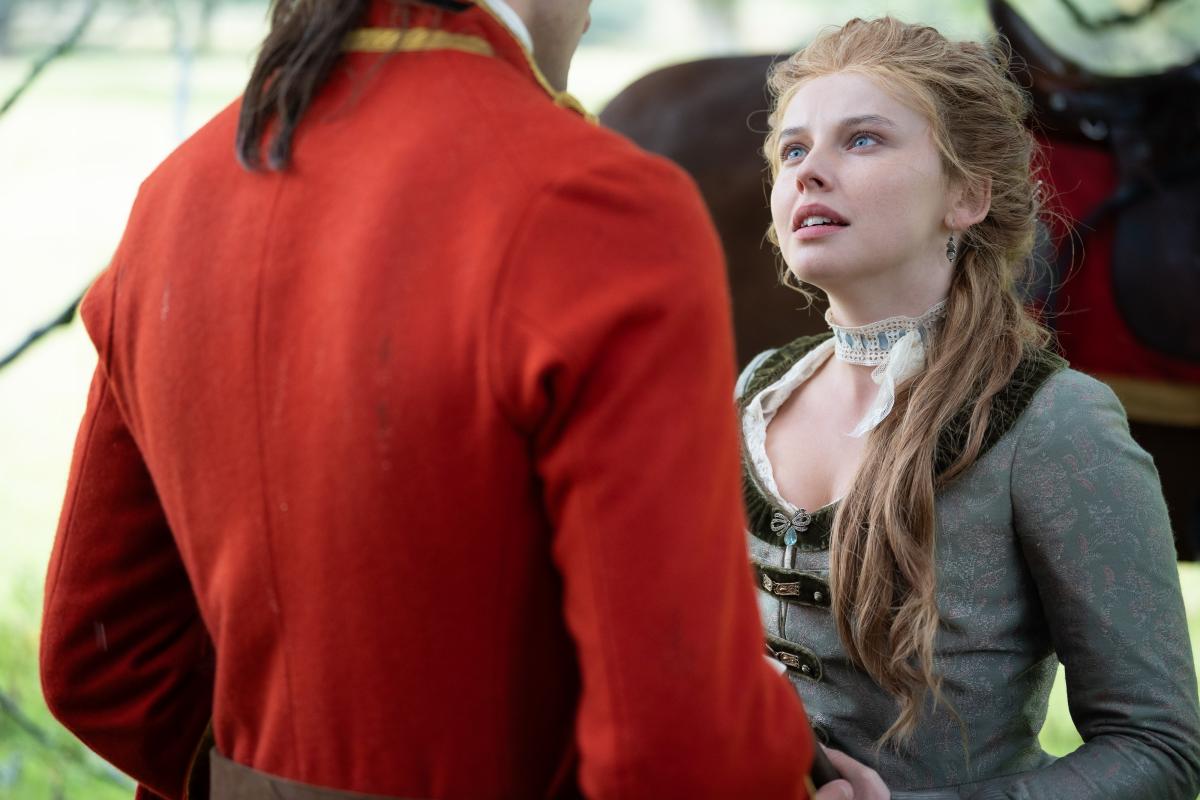
There are so many writings, letters, speeches, etc. From Washington. That’s sad that he must not have dug into Sally, too was miscast. She should have had dark hair like the paintings of Sally Casy that exist and would have been much more of a refined and delicate aristocratic upbringing, rather than coming across as somewhat of a brat. From existing letters and accounts, she was the one that imparted classical training and social refinement to George (Lawrence, his half brother is not credited for this as much as Sally)—that didn’t come through in the movie and I understand they didn’t want to focus on a love story. However, one year before he died, Washington expressed in a letter to her that the times he had with her were amongst his happiest in his life.
Also, George Washington’s faith is not represented well at all in the film. There is one time when he uses the word “Providence.” That’s it. For the many who insisted everyone in his regiment attended church and pray, it was not just an afterthought. He was a man of prayer himself, but they never once showed him praying. That was part of the missed opportunity as well.
Overall the script was weak and did not fully capture the poetic diction of the times. The things I did like about this movie were the fact that they captured the mysterious/miraculous account of the bullets that didn’t kill Washington. That he had a destiny and calling from God on his life, and he was going to fulfill it.
I liked even the AI or CGI enhanced scenes where you could envision the untamed American landscape. That was impactful. Overall, this film failed to deliver on the golden opportunity it had to capture the most iconic American patriotic hero on the 250th anniversary of our fought freedom and therefore became more of a heartbreak than a delight.
Moral rating: Average / Moviemaking quality: 3
PLEASE share your observations and insights to be posted here.
In all seriousness, Young Washington was better than I expected it to be. Following the pattern of most Angel Studios movies that have come out recently (excluding the atrocity that is Animal Farm), Young Washington is a good, but not great movie that this time, retells the early life of George Washington and his service in the French and Indian War.
I will be honest, I wasn’t grabbed by the first third of this film when George was a young lad who lost his dad up until he became a general. The problem is that, and it remains this way virtually most of the movie, George Washington weirdly isn’t a very compelling character here. The events that occurred in his life should theoretically make way for a gripping character examination of a man who even from long ago was staring death in the face and needed to find something to make his life worth something. The movie does have a few moments that delve into that. But in the grand scheme of things, it’s handled in a very basic manner and is touched on surprisingly so little that it leaves George Washington’s motivation a bit blurry and difficult to latch onto.
Even when they add things to George’s story such as his infatuation with Sally Fairfax, they don’t get fleshed out well enough or go anywhere to really make an impression. I don’t blame any of this on the actor William Franklyn-Miller. I believe he is solid, and he does give George a bit of charm and a commanding presence. The issue, I believe, is he isn’t given much to work with.
The good news is that a third of the way through, when the movie becomes about the French and Indian War, it does get better. The story becomes more focused and there are clear objectives to achieve, which makes the film properly gripping. It’s in these moments when George Washington does actually shine as a commanding general who may not be perfect at his job, but is clearly giving his all. Even throughout the movie, there are things to praise from a technical quality. The cinematography is actually splendid and does very well to capture both the beauty of 1750’s British colonial architecture and the cruelty of colonial warfare. There are times the camera shots do get creative and feel like a old painting of the French and Indian War come to life.See all »
My Ratings: Moral rating: ___ / Moviemaking quality: ___