Who and what is…
Gilead
also known as: Gilad
Hebrew: גִּלְעָד—transliteration: Gilad or Gilead —occurrences: 134 (in much of the Old Testament)
This is the name of 3 biblical men, a people, a region and a city. It first appears in Genesis 31:21 in connection with Jacob fleeing from Laban.
Gilead, the land
also known as: The Land of Gilead and Mount Gilead
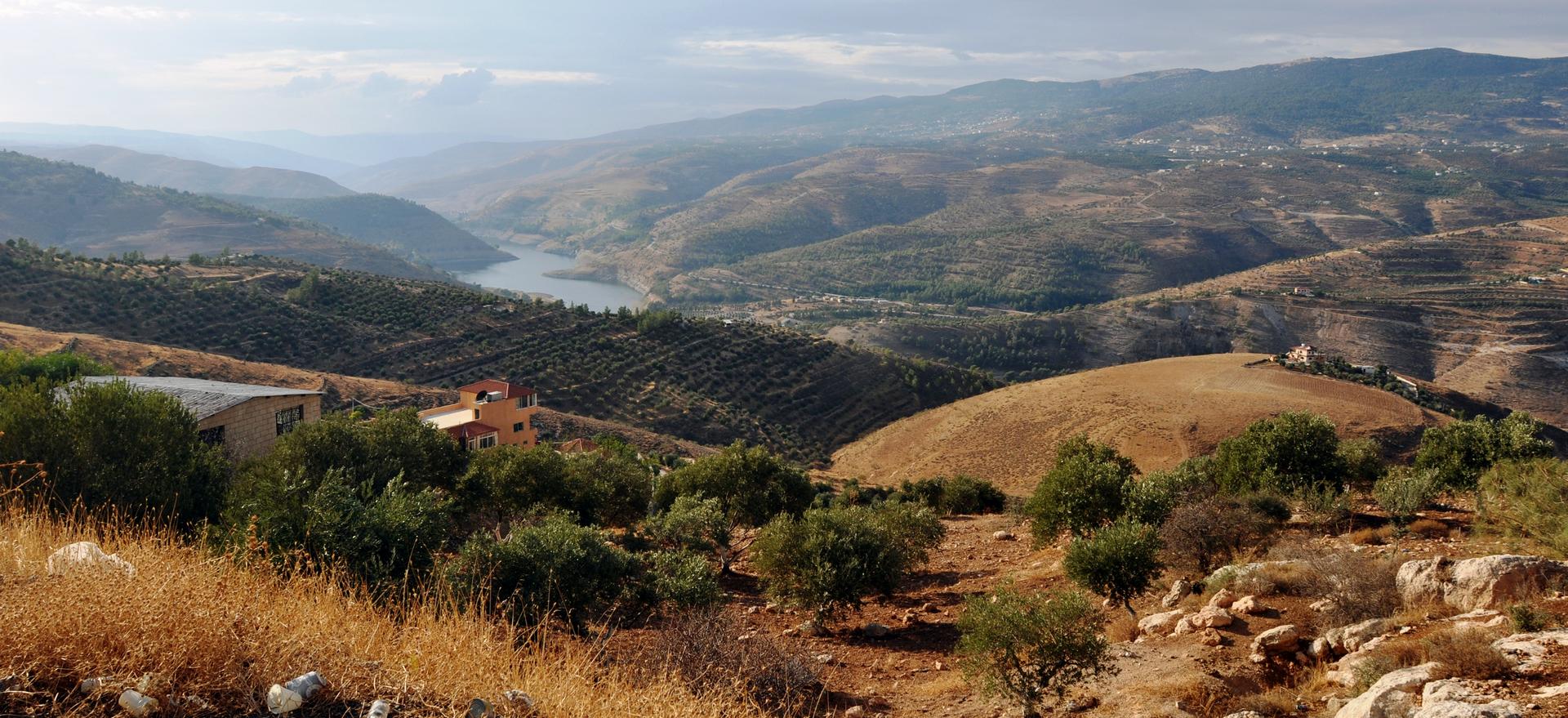
Gilead is an ancient name of a rugged, mountainous area east of the Jordan River in northern area of the modern Hashemite Kingdom of Jordan.
Due to its mountainous nature, it is sometimes called Mount Gilead (Judges 7:3; Song of Songs 4:1; Genesis 31:25).
It is also called “The Land of Gilead” (Numbers 32:1), and sometimes simply “Gilead” (Psalm 60:7; Genesis 37:25).

Israelite Settlement
After defeating kings Sihon and Og, Moses granted Gilead to Reuben, Gad, and half-Manasseh (Numbers 32; Deuteronomy 3).
It served as a later refuge (e.g., Ramoth-Gilead, Joshua 20:8) and as a base for figures like Elijah (from Tishbe in Gilead, 1 Kings 17:1).
Gilead symbolized healing (“balm of Gilead,” Jeremiah 8:22) but also strife, invaded by Assyrians (2 Kings 15:29) and others. It preserved early Israelite traditions due to its isolation.
It was possessed by 3 Hebrew tribes: Gad and Reuben and the south part of Manasseh (Deuteronomy 3:13; Numbers 32:40).
It was bounded on the north by Bashan, and on the south by Moab and Ammon (Genesis 31:21; Deuteronomy 3:12-17). “Half Gilead” was possessed by Sihon, and the other half, separated from it by the river Jabbok, by Og, king of Bashan.
The deep ravine of the river Hieromax (the modern Sheriat el-Mandhur) separated Bashan from Gilead, which was about 60 miles in length and 20 in breadth, extending from near the south end of the Lake of Gennesaret to the north end of the Dead Sea. Abarim, Pisgah, Nebo, and Peor are its mountains mentioned in Scripture.
Gilead exported spices, balm (aka Balm of Gilead), and myrrh.
Archaeology
These associations are drawn primarily from biblical sources, with archaeological corroboration for Iron Age Israelite presence. For deeper reading, see Joshua 13 or Judges 10–12.Archaeological evidence from Gilead suggests the earliest settlements are from the 24th–21st centuries BC, possibly involving Canaanite or Amorite groups.
Partial list of Biblical events in Gilead
- Laban overtook Jacob in Gilead (Genesis 31:21-25)
- Reubenites expelled the Hagarites from Gilead (1 Chronicles 5:9-10, 18-22
- Ammonites made war against Gilead and were defeated by Jephthah (Judges 11)
- The prophet Elijah was of the settlers of Gilead, and he confronted King Ahab (1 Kings 17)
- King David retreated to Gilead during Absalom’s rebellion (2 Samuel 17:16, 22, 24) and Absalom pursued him there (2 Sam. 17:26)
- Absalom was defeated and slain in the forests of Gilead (2 Sam. 18:9)
- Hazael defeated the kingdom of Israel throughout all of Gilead (2 Kings 10:32-33; Amos 1:3)
- Gilead was invaded by King Tiglath-pileser III of Syria (2 Kings 15:29)
People groups associated with the land of Gilead
Tribe of Gad — One of the two-and-a-half Israelite tribes allotted land in Gilead (along with Reuben and half-Manasseh). They settled in southern Gilead, from the Jabbok River to the Arnon Valley, valuing its rich pastures for livestock (Numbers 32:1; Deuteronomy 3:12–16).
A biblical figure named Gilead is traced to the tribe of Gad (1 Chronicles 5:14).
Tribe of Reuben — Settled in the southern fringes of Gilead and adjacent plains of Moab. They shared the Transjordan allocation with Gad and Manasseh, focusing on agriculture and herding (Joshua 13:8–12).
Tribe of Manasseh — (Half-Tribe) The eastern half of Manasseh occupied northern Gilead, between the Yarmuk and Jabbok Rivers. Gilead is described as a descendant of Manasseh in biblical genealogies, and a “Gileadite” subgroup emerged as a distinct tribal branch within Manasseh (Numbers 26:29; Joshua 17:1–6).
Gileadites — A specific subgroup or clan, often synonymous with eastern Manasseh inhabitants. They are depicted as warriors and judges, like Jephthah (Judges 11:1–2) and Jair (Judges 10:3–5), who defended Gilead from Ammonite incursions.
In early biblical poetry (e.g., Song of Deborah, Judges 5), they are listed as an equal Israelite tribal entity.
Ammonites — These were neighbors to the southeast who frequently raided and claimed southern Gilead. They oppressed the Israelites there, leading to conflicts like Jephthah's campaign (Judges 10–11).
Jabesh-Gilead, an Israelite city in northern Gilead, once appealed to King Saul for aid against Ammonite siege (1 Samuel 11).
Moabites — Southern neighbors who occasionally expanded into Gilead's plains. They shared borders and trade but were rivals, with Moab influencing the region's southern edges (Numbers 21; Ruth 1).
Tribe of Benjamin — Had cultural and military ties to Gilead, particularly through Jabesh-Gilead's inhabitants, who supported Benjamite figures like Saul and shared affinities (Judges 19–21; 1 Samuel 11). Not primary settlers, but linked via alliances.
Gilead, the city
This evil and idolatrous city is mentioned by the prophet Hosea in the Book of Hosea. This may refer to the Gilead cities of Ramoth-Gilead or Jabesh-Gilead, or the whole Gilead region.
Gilead is a city of wrongdoers,
Tracked with bloody footprints. —Hosea 6:8 NASB
Gilead, son of Machir
Gilead’s grandfather is Manasseh (Genesis 50:23; Numbers 26:28-30; 27:1; 36:1; 1 Chronicles 2:21).
Gilead, son of Michael
This Gilead is the father of Jaroah (1 Chronicles 5:11-14)
They were called Gadites (members of the Tribe of Gad), descendants of Jacob’s 7th son Gad.
Gilead, father of Jephtha the valiant warrior and Judge
This Gilead is mentioned in the book of Judges and his descendants were called Gileadites.
Jephthah the Gileadite was a mighty warrior. His father was Gilead; his mother was a prostitute. —Judges 11:1 NIV
More Information
- Who is Jephthah, a Gileadite?
- Tishbe, a town in Gilead
- What is balm of Gilead?
- Answers about mountains of the Bible
- Who is Machir?
- What is the Tribe of Judah?