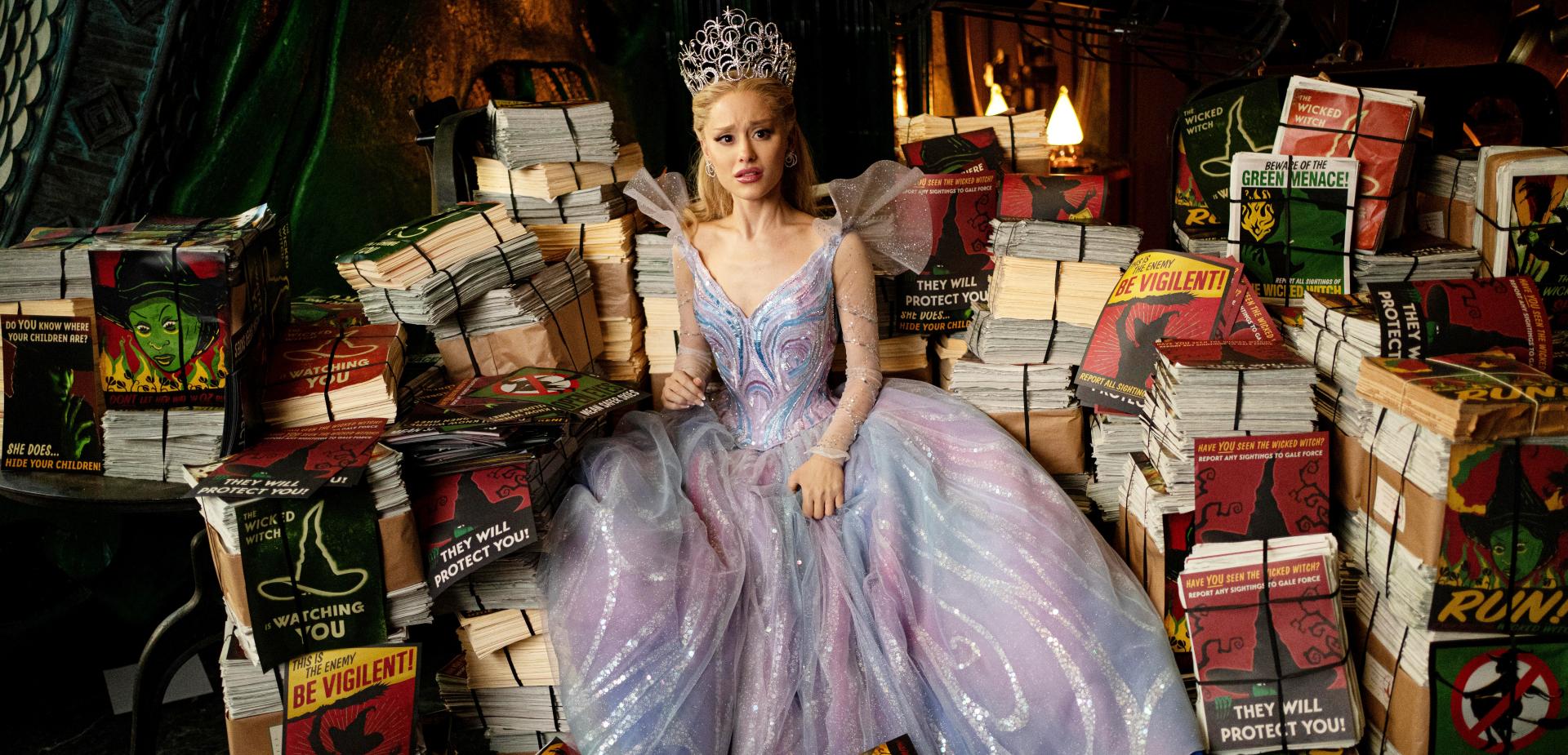
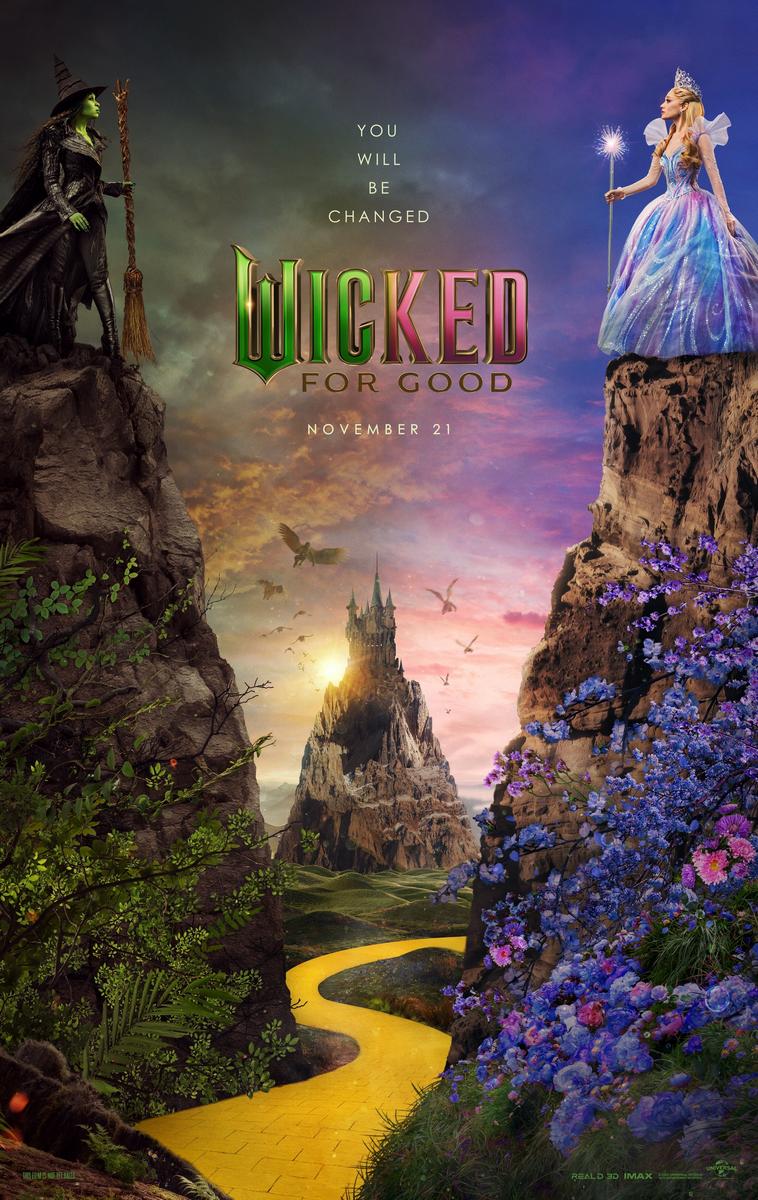
Wicked: For Good
 for action/violence, some suggestive material and thematic material.
Reviewed by: Alexander Malsan
CONTRIBUTOR
| Moral Rating: | Very Offensive |
| Moviemaking Quality: |
|
| Primary Audience: | Adults Mature-Teens |
| Genre: | Musical Fantasy Sequel |
| Length: | 2 hr. 18 min. |
| Year of Release: | 2025 |
| USA Release: |
November 21, 2025 (wide release) DVD: January 20, 2026 |

Wokeism messages in Hollywood feature films
Films that mix genuinely good messages with dangerously bad messages
About WICKEDNESS from God’s point of view
What does the Bible say about lying and deception?
What does the Bible say about sorcery?
Fantasy witches versus witches of the Bible
Learn about spiritual darkness
Social outcast finding empowerment and self-confidence in the midst of social hostility
| Featuring |
|---|
|
Cynthia Erivo … Elphaba Ariana Grande … Glinda Jeff Goldblum … The Wonderful Wizard of Oz Michelle Yeoh … Madame Morrible Jonathan Bailey … Fiyero Colman Domingo … The Cowardly Lion (voice) Peter Dinklage … Dr. Dillamond (voice) Adam James … Mr. Upland See all » |
| Director |
|
Jon M. Chu |
| Producer |
|
Marc Platt Marc Platt Productions David Stone Universal Pictures |
| Distributor |
Prequel: “Wicked” (2024)
***Warning: Spoilers for Wicked Part 1 are present in this review.***
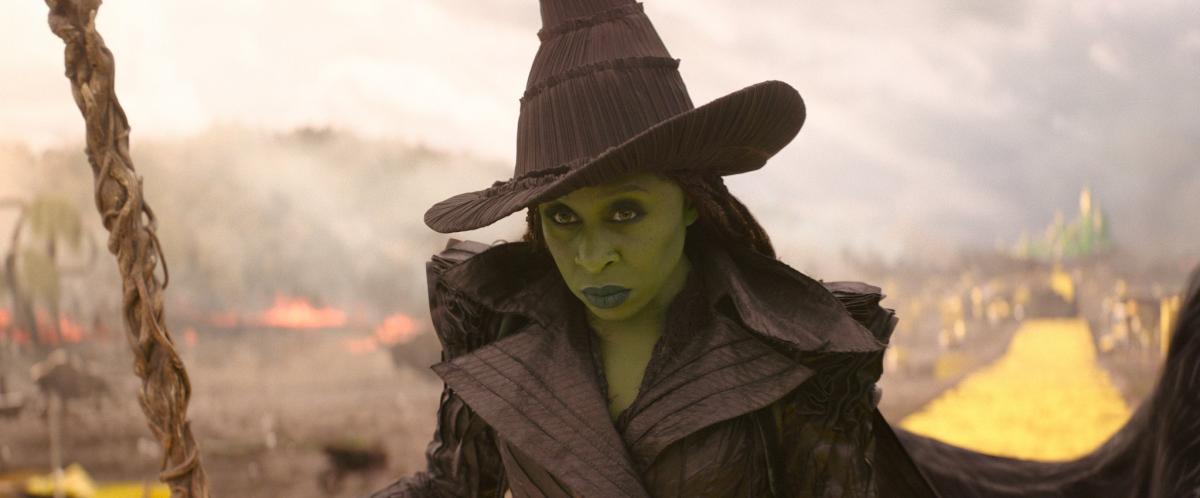
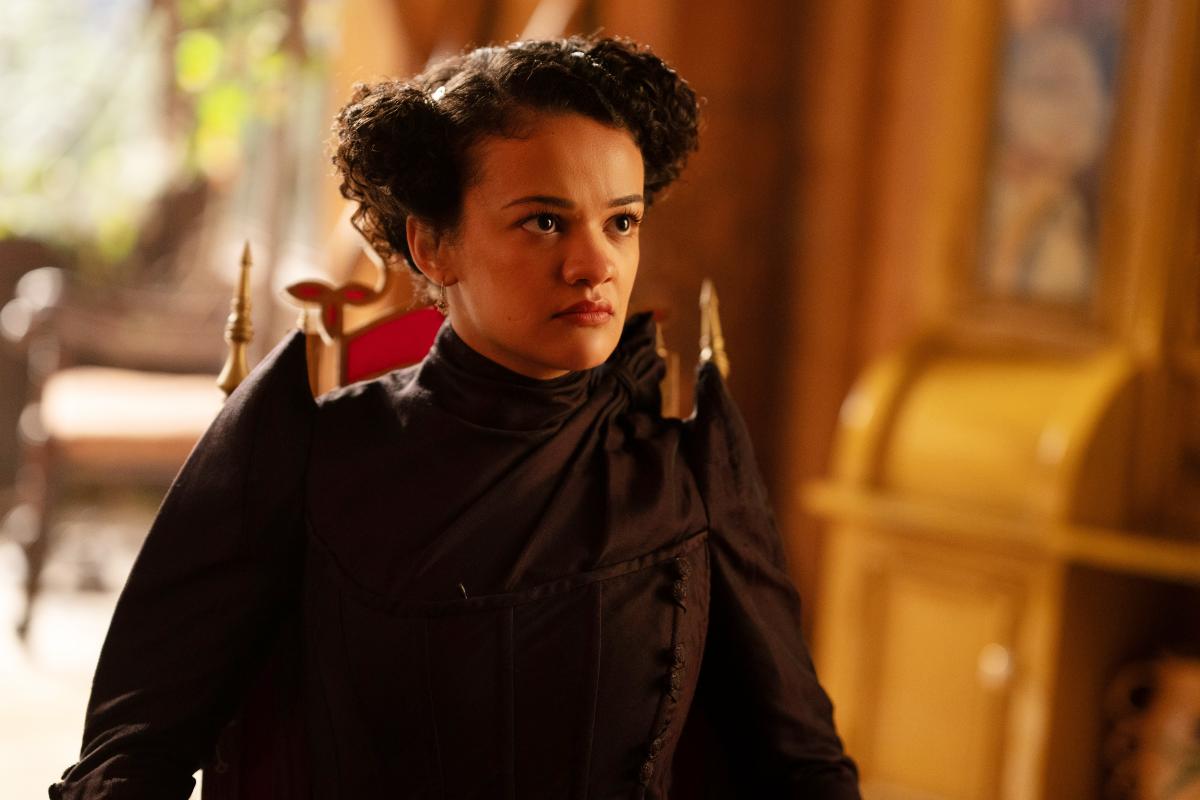
They’ve chosen their sides, Glinda and Elphaba (aka the Witched Witch of the west). Glinda finds it absolutely foolish of Elphaba who has only dreamed of being on the Wizard’s team to now dedicate her life to fighting the Wizard. Elphaba makes it clear that she finds Glinda the foolish one for giving into her vanity and siding with a liar and a manipulator, a Wizard who has no real power and is a real danger to animals everywhere.
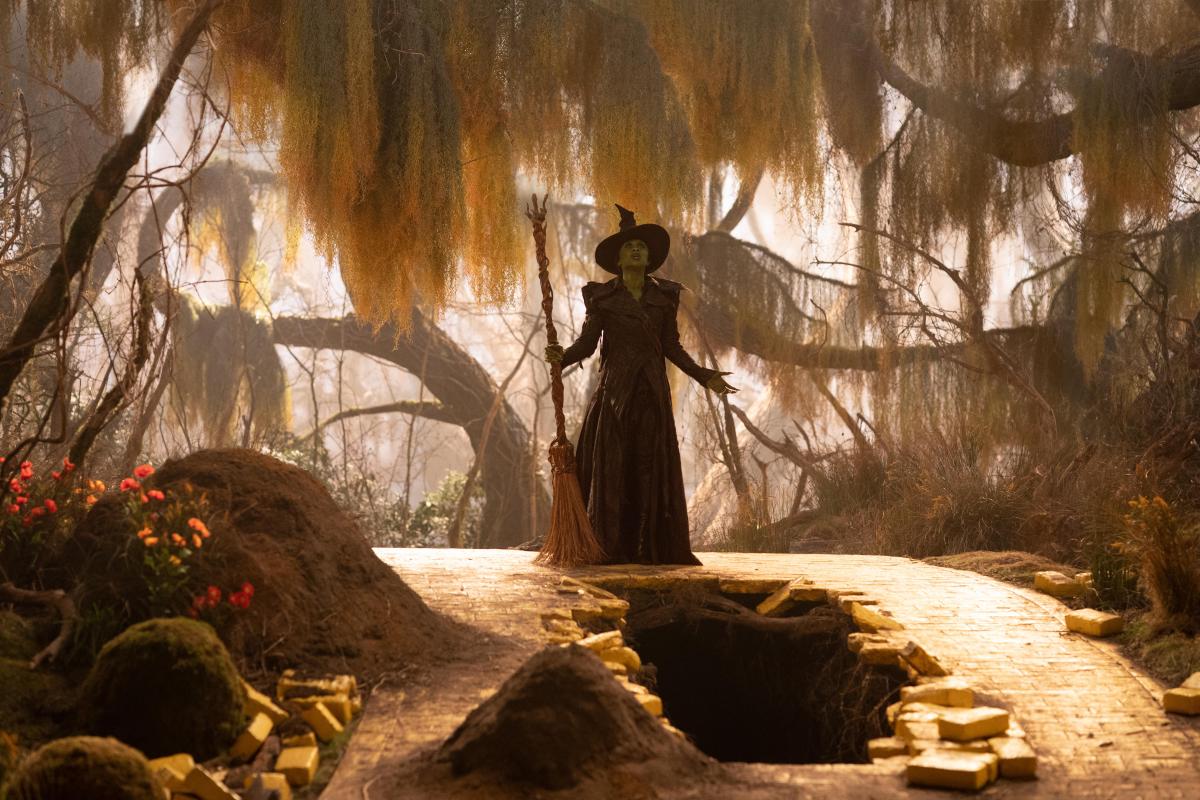
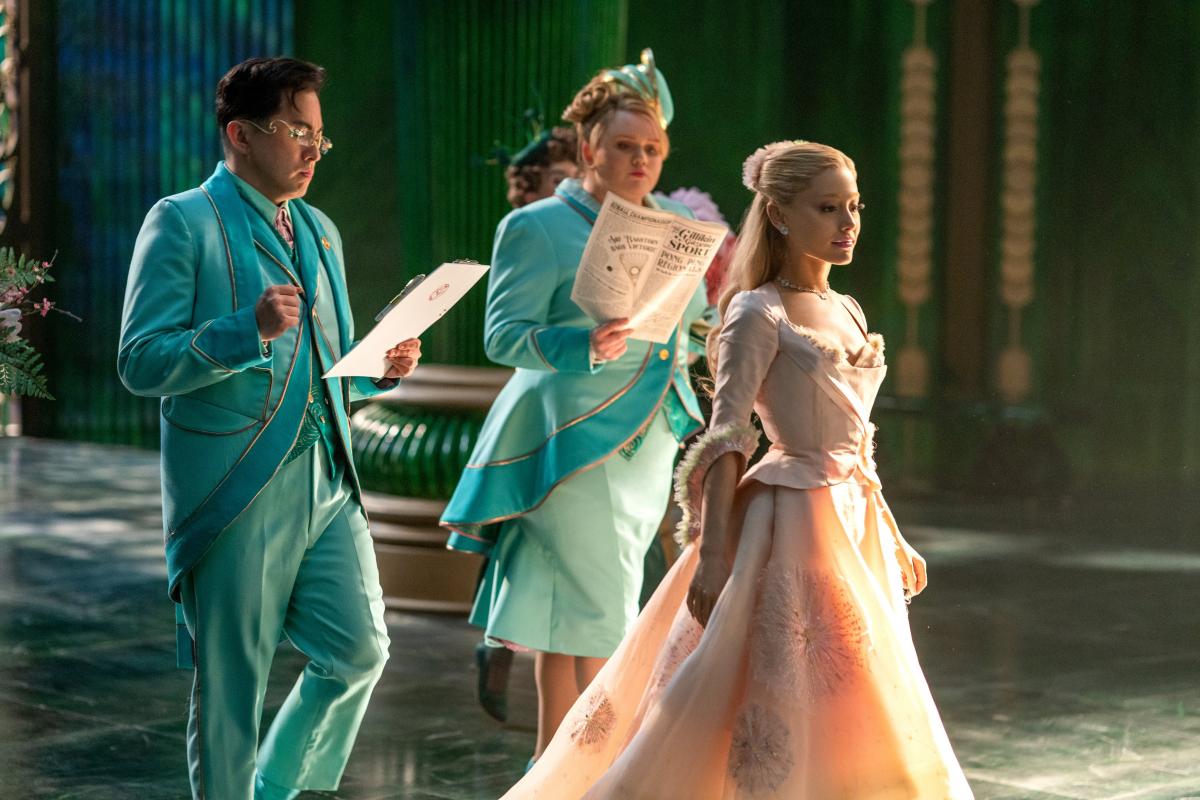
A year has passed and Glinda has been declared Glinda the Good. She is the symbol of hope and the future for all Ozians, particularly those in the Emerald City. Elphaba has been declared a wicked witch and has exiled herself from the Munchkins and the people of Emerald City (well, she does occasionally step in and defend animals that are abused or used for slave labor).
The thing about a rumor, especially a horrible lie, is that as it grows so do those that are affected by said rumor. Not only that but a horrible lie can turn people into something they’re not: angry, hostile and sometimes violent individuals.
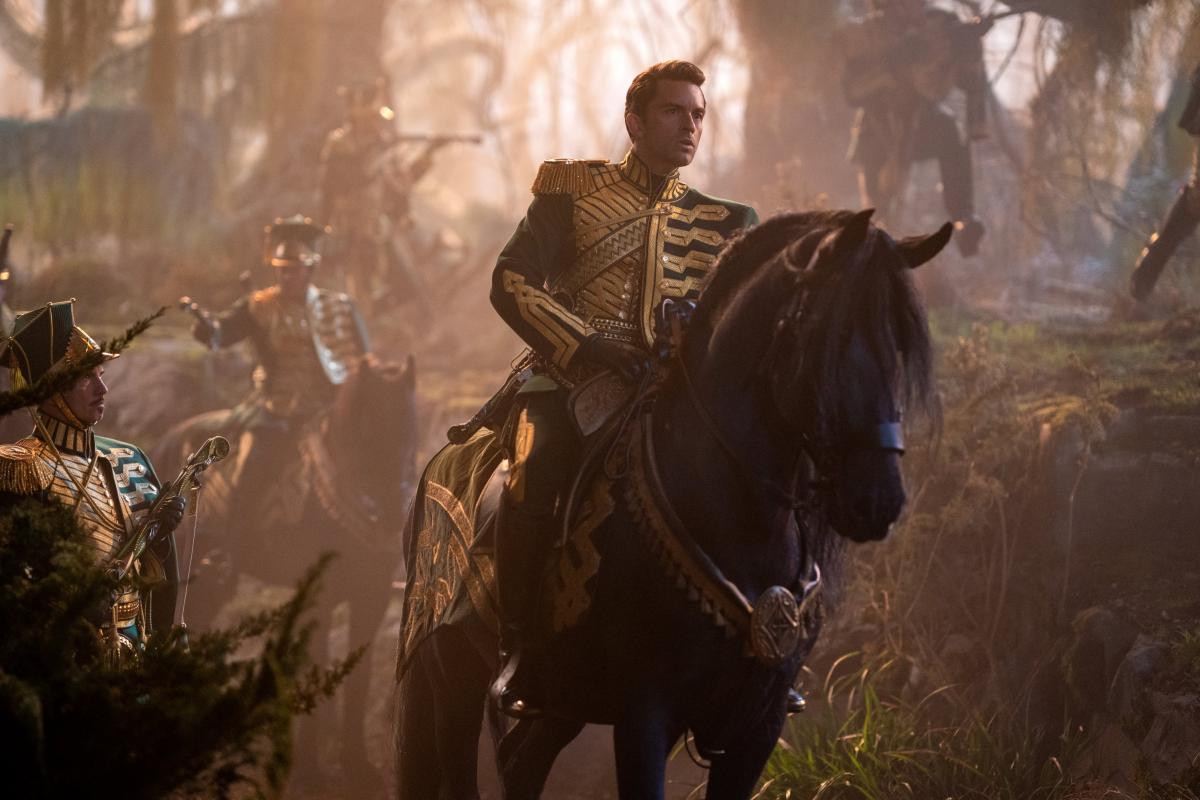
As such, the people of Oz have grown fearful and extremely angry that Elphaba still lives and supposedly “out to kill the people of Oz” (why she incorrectly wants to do this is never quite explained). So, Elphaba keeps her distance but does check in with those she can trust: her sister, Nessa, Boq, Fieryo and even Glinda.
Elphaba though can’t help but try to expose the Wizard for the fraud he is, in doing so the people will take off their blindfolds. But, as the Wizard tells her, the Wizard could tell the truth till he’s blue in the face but the people won’t believe it. They believe only what they wish to hear.
Things are gonna come to a head at some point, and when they do they’re bound to be, well, WICKED.
Compared to the first “Wicked” critics have been significantly harsher with Part 2 than they were in Part 1. Critics have described Part 1 as fun and full of color, whereas part 2 is dark, depressing, and in a few moments, distressing. But there’s something film critics don’t always understand and that is the structure of a musical.
In a typical musical, as far back as even a few hundred years ago, musicals have a very unique layout. Act 1 in a musical is supposed to be uplifting and full of hope. It gets most of the catchy tunes (e.g. Defying Gravity), whereas Act 2 is meant to bring you back to reality and see what the bigger issue is. Act 1 lives in fantasy, Act 2 lives realistically. Act 2 levels up the tension, but only temporarily. It is important to remember that Act 2 wants to bring the story to a successful conclusion. A couple other schools of thought, if you will permit me…
The book, The Wonderful Wizard of Oz is over a hundred years old. As such, so many have read the books (although there are many, many sequels, so you’d be forgiven if you didn’t read all of the books). Even if you only read the first, you know what is coming, especially who Glinda becomes and what happens to the Wicked Witch of the West at the end of it all. The book has been around long enough for critics to realize that “Wicked” is, yes, an alternate explanation of the events that surrounded Glinda and the Wicked Witch of the West, but at the same time it explains how these individuals chose the paths they did and, in a sense, fills in some of the blanks that the book did not do.
At this point in the review, I will make brief comparisons between “Wicked: Part 1” and “Wicked: For Good.” Let’s start with the music…
The Music
“Wicked: For Good” reuses, successfully, themes and musical motifs that were found in “Wicked”. Apart from some creative choices by the singers, particularly Glinda and Elphaba, the music and arrangements work really nicely. The new songs that Schwartz created just for “For Good” are a hit or a miss. They don’t really add much to the film or elevate the scene, they’re just there. There are some really clever moments where the ends of songs are extended (such as “Thank Goodness” or even the “For Good” reprise) and then there are instances where the drawing out the music tends to feel forced. Overall, as this is a musical, the creative licensing works.
The Story
Whereas in Part 1 (I’m just calling the first one that) I scratched my head, and to this day I still do, on how they turned an hour and fifteen minute Act 1 into a three hour film. The explanations are out there: extended scenes, added scenes, songs are expanded upon, scenes that are overly drawn out for no particular reason. In “Wicked: For Good,” there are a handful of additional scenes (many of which work, but not all of them) that do fill in a lot of the blanks from the first. Even with a two hour and eighteen minute run time for Part 2, the pacing of really doesn’t slow down too often, which I found to be an improvement from the first Part.
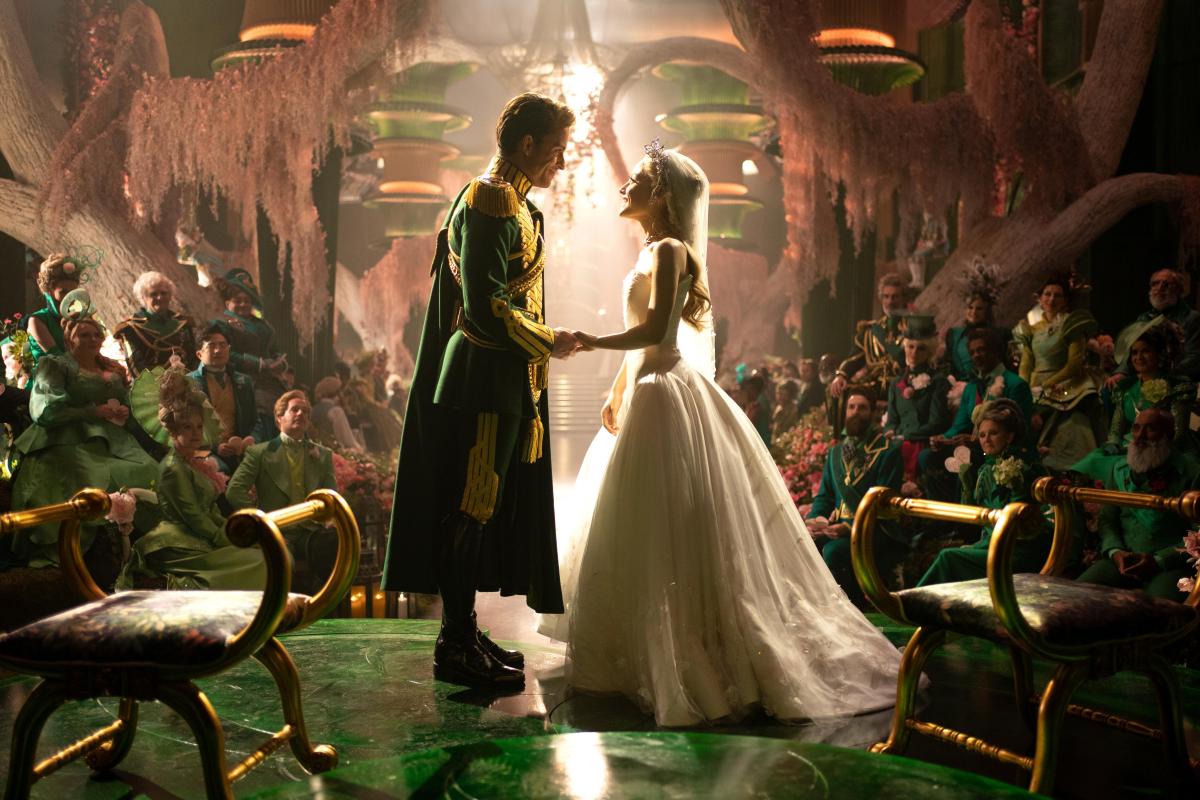
My biggest pet peeve though is an unnecessary implied sex scene between Elphaba and Fieryo. As you can imagine that did NOT occur in the stage musical, and I felt that Chiu just added this because he thought it’d relieve some of the tension. No it really doesn’t, it’s just awkward and fans are asking, “Why?”
The Performances
While the performances are definitely strong in Part 1, in “Wicked: For Good,” these performances are raised to the next level: they’re more passionate, have more depth, and audiences will strongly begin to empathize with the main characters. There is one scene I just dropped my mouth during, and that is “No Good Deed.” The expression on Elphaba as she reads the Grimerie confused, scared, angry and resigned to her fate, just creates an extreme level of tension that not only I could feel, but others around me as well.
There were a few performances that fall kind of flat in “Wicked: For Good.” The first being Nessa Rose. In the stage musical she comes off as, yes, angry at her situation but not a control freak. She isn’t as bossy in the stage musical as she is in the film. She’s also more irritating in “For Good” than the first part. Additionally, it feels like she is just reading her lines to get through them while giving as little emotion as she possibly can (she is much more meaningful and strong in the first “Wicked”).
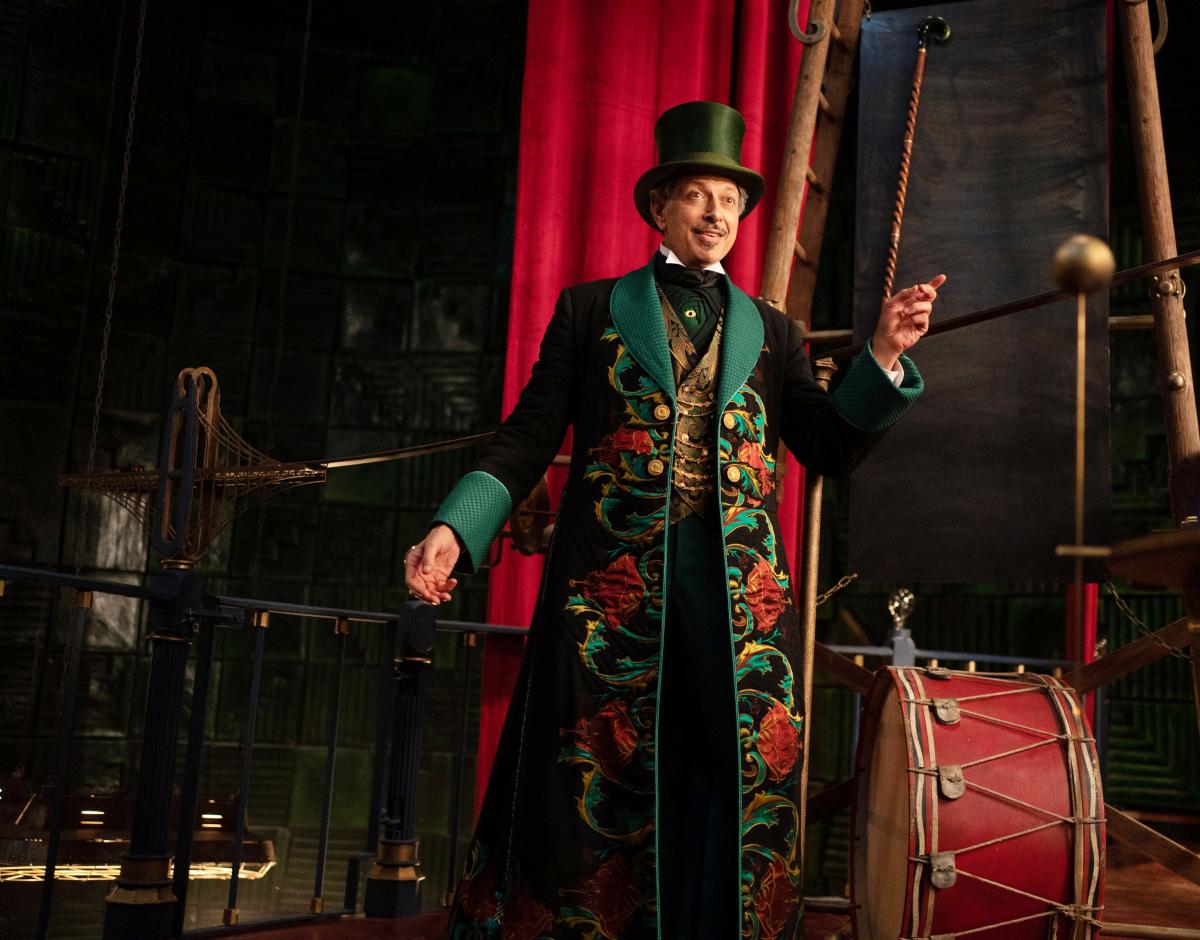
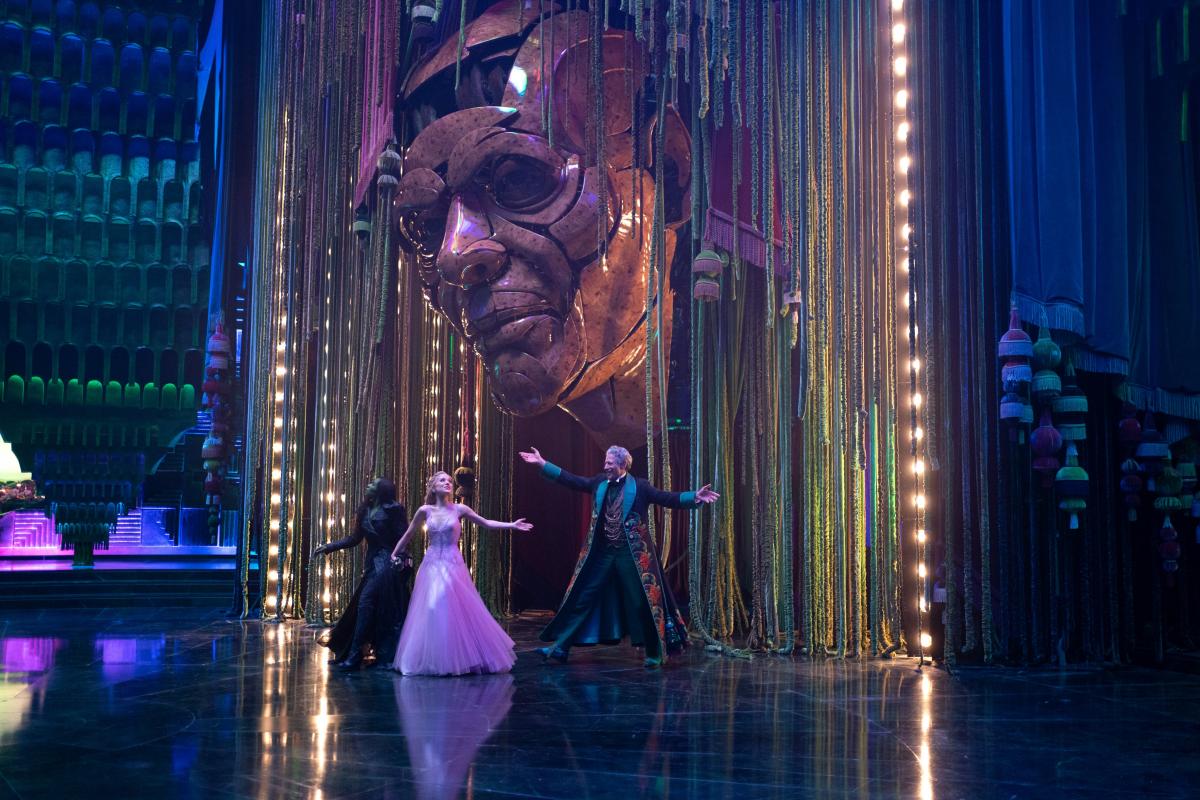
Jeff Goldblum disappoints me in the second act, particularly in one of his solo songs (one of two I might add), “Wonderful.” He’s more somber, less whimsical than on the stage musical, but I digress.
Themes and Morals
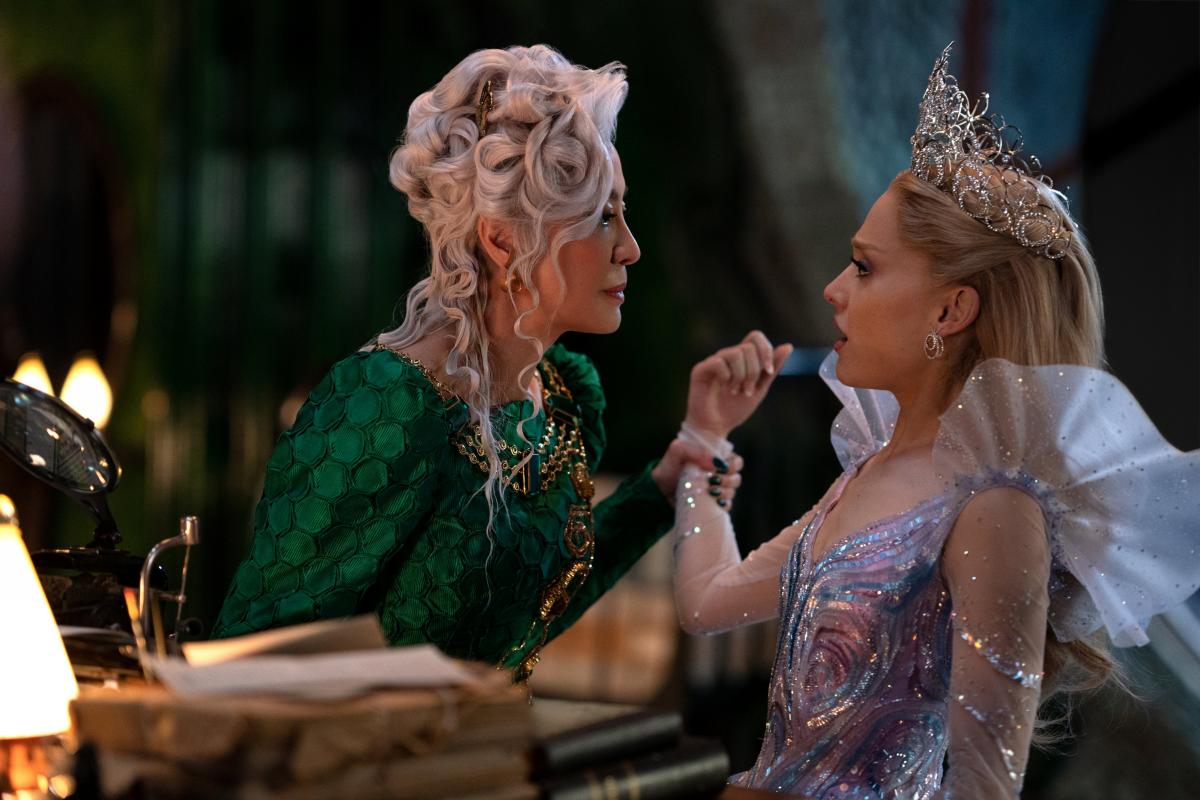
Elphaba is only seen as a monster due to the narrative Morrible and the Wizard have created.They convince the people of Oz that Elphaba must be destroyed, but in truth, Elphaba is the one who is trying to help the people of Oz, even those who want her dead and even her friends that turn their back on based on the lies of others.
Gossip only leads to more gossip. It spreads like wildfire and like a wildfire consumes everyone and everything in its path. Gossip destroys a person’s reputation and even their living circumstances at times. The only way to stop gossip is to not engage in it. When someone approaches you with a rumor, you can simply say, “Please don’t share any rumors about other people with me.” If everyone did that, there would be very little gossip in the world.
Jesus tells us to be apart from the world, and that includes not using the tongue for evil, only for righteousness. James says this…
“If anyone thinks he is religious and does not bridle his tongue but deceives his heart, this person’s religion is worthless.” —James 1:26
In Ephesians as well
“Let no corrupting talk come out of your mouths, but only such as is good for building up, as fits the occasion, that it may give grace to those who hear.” —Ephesians 4:29
1 Thessalonians has this to say…
“…aspire to live quietly, and to mind your own affairs, and to work with your hands, as we instructed you.” —1 Thessalonians 4:11
Closing Thoughts
Having seen the stage musical a few times myself, and having listened to the soundtrack over and over again, I knew what to expect walking into an early premiere of “For Good.” My best friend that went with me did not.
And there lies the million dollar question, what are people, Christians and the like, walking into with a film like “Wicked: For Good.” In the stage musical, while witchcraft and chanting a couple spells is present, there is more focus on the characters, not the magic. In “For Good” the occultic practices have increased and far surpass the practices in the stage musical. Those who have never seen “Wicked” are left vulnerable, especially Christians who walk in with no knowledge—and that, itself, is terrifying.
While I acknowledge some creative choices had to be made, some made me ponder whether they were actually necessary? Did we have to have a suggestive sexual encounter between Elphaba and Fieryo? No. Did we have to draw out very small scenes with songs that don’t really stick? No. More importantly, did we have to make it SO dark that even at the end of the second film, maybe one person at most is changed for the better. Maybe.
In short, this film still has very strong performances from most, and the pacing is superior to the first installment. Still, the witchcraft has increased and that’s a major red flag. I do not recommend this film to Christian adults, children or families. Wait for something much less WICKED.
- Wokeism: Very Heavy
- Violence: Heavy
- Occult: Heavy
- Sex: Moderately Heavy
- Profane language: Mild
- Nudity: Mild
- Drugs/Alcohol: Minor
- Vulgar/Crude language: None
Be wise, every follower of Christ should avoid spiritual darkness and seek spiritual light
Learn about DISCERNMENT, wisdom in making personal entertainment decisions
 Every time you buy a movie ticket or buy or rent a video you are in effect casting a vote telling Hollywood, “I’ll pay for that. That’s what I want.” Read our article
See list of Relevant Issues—questions-and-answers.

PLEASE share your observations and insights to be posted here.