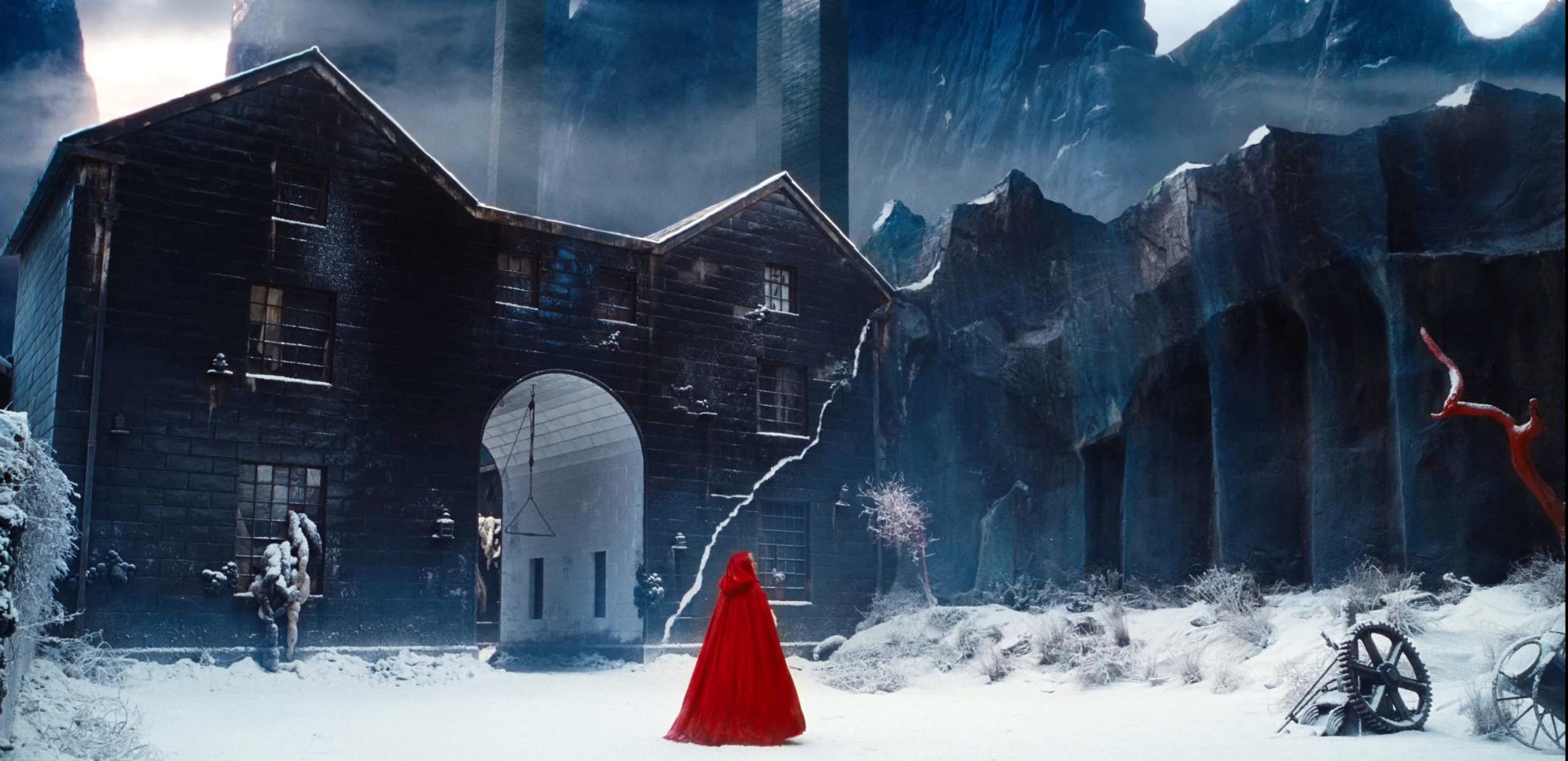
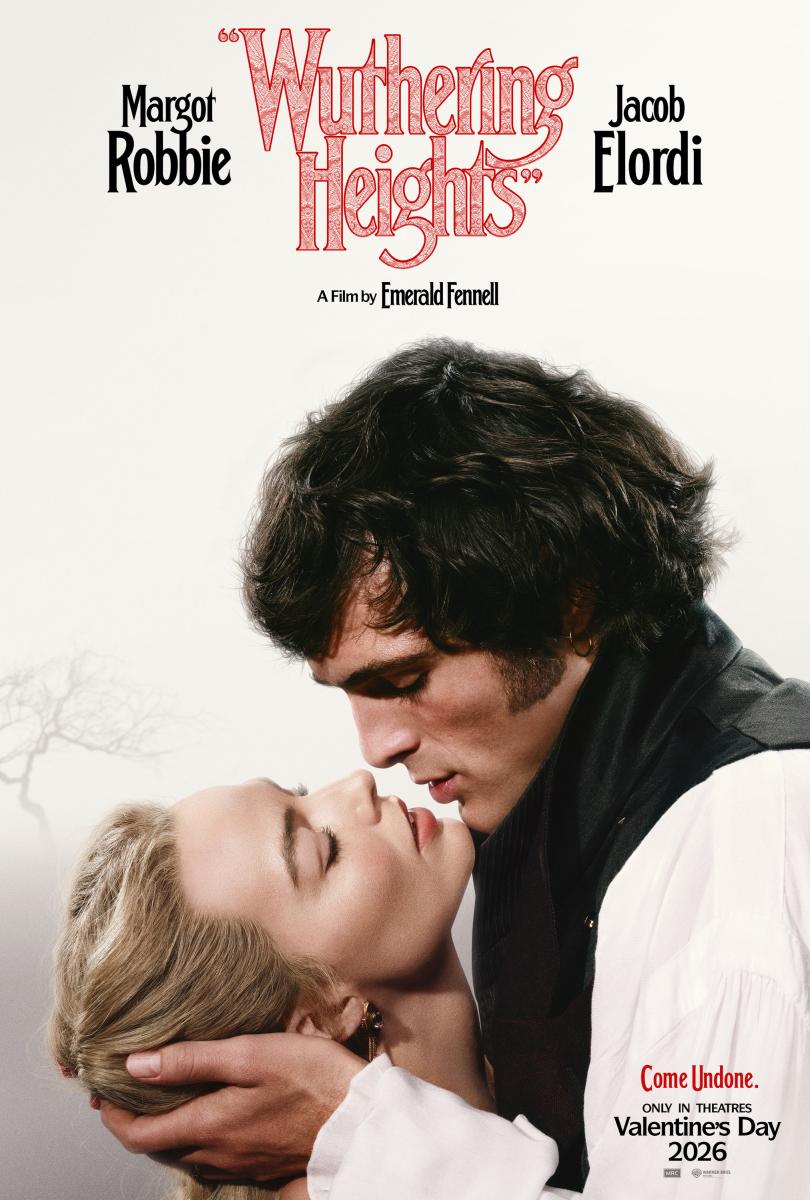
Wuthering Heights
 for sexual content, some violent content and language.
Reviewed by: Jim O'Neill
CONTRIBUTOR
| Moral Rating: | Extremely Offensive |
| Moviemaking Quality: |
|
| Primary Audience: | Adults |
| Genre: | Eroticism Romance Drama Adaptation |
| Length: | 2 hr. 16 min. |
| Year of Release: | 2026 |
| USA Release: |
February 13, 2026 (wide release) DVD: May 5, 2026 |

19th century period psychological drama
Historical fiction
The original Wuthering Heights is the only novel by the English author Emily Brontë, initially published in 1847 under her pen name “Ellis Bell”
The novel “was controversial for its depictions of mental and physical cruelty, including domestic abuse, and for its challenges to Victorian morality, religion, and the class system.”
Perverse sexual activities
Sexual lust outside of marriage—Why does God strongly warn us about it?
Is there a way to overcome illicit and excessive lust for sex?

Purity—Should I save sex for marriage?
Temptations—How can I deal with them?
CONSEQUENCES—What are the consequences of sexual immorality?

| Featuring |
|---|
|
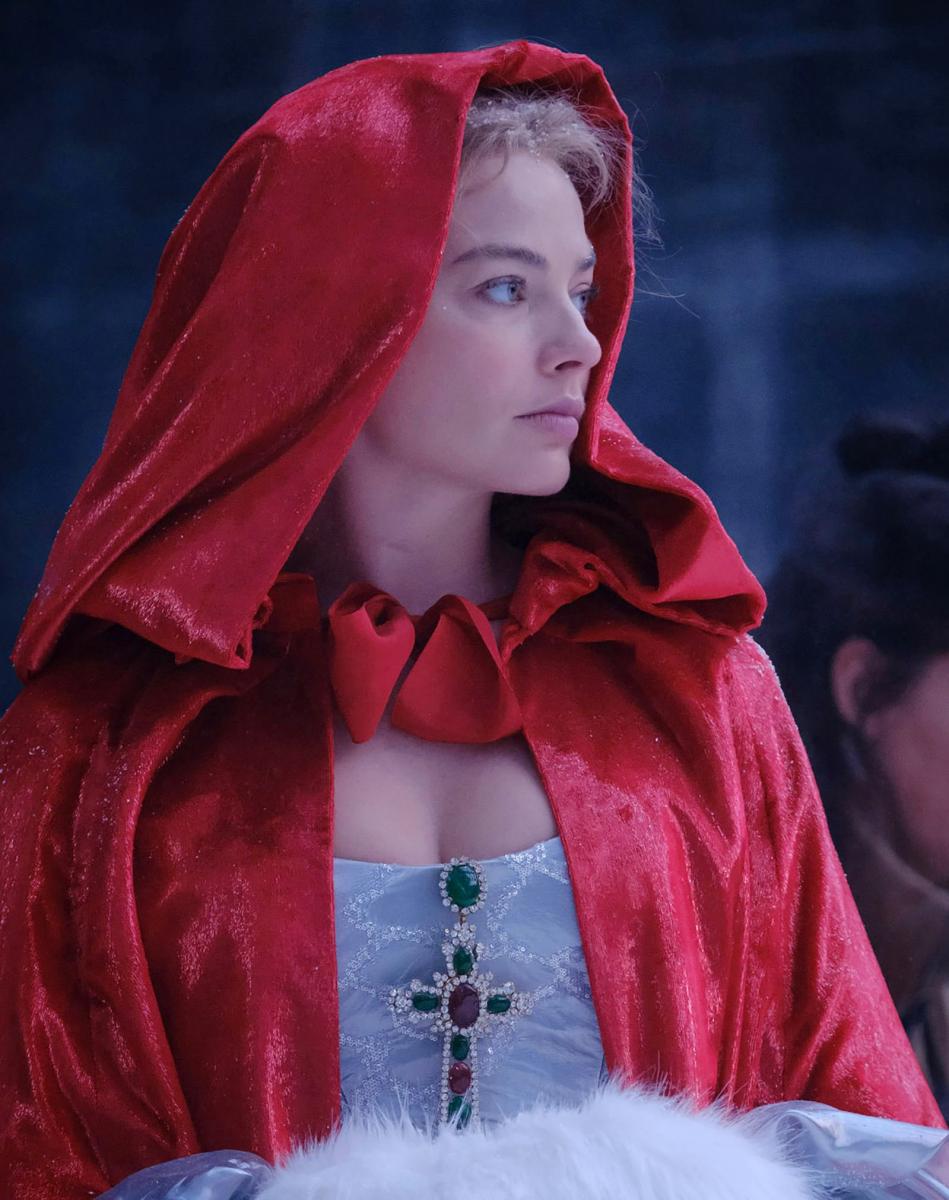
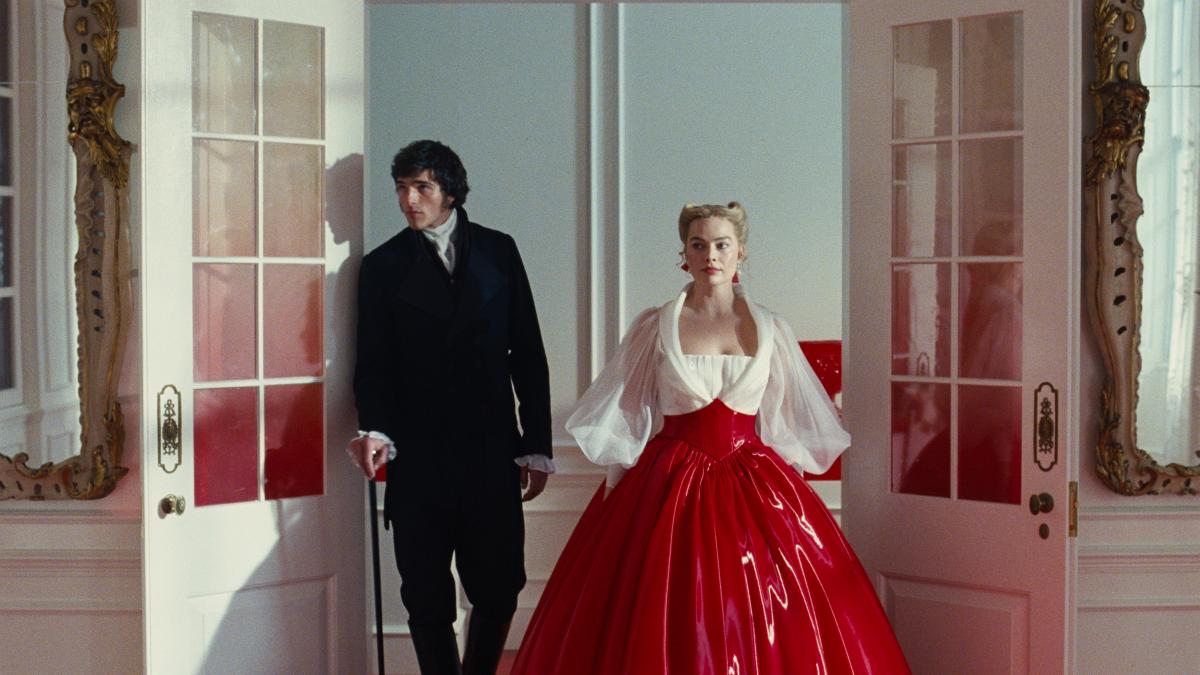
Margot Robbie … Catherine “Cathy” Earnshaw Jacob Elordi … Heathcliff Hong Chau … Ellen (Nelly) Dean, paid companion to Cathy Alison Oliver … Isabella Linton Shazad Latif … Edgar Linton, wealthy textile merchant Martin Clunes … Mr. Earnshaw See all » |
| Director |
|
Emerald Fennell |
| Producer |
|
Emerald Fennell Rosie Goodwin See all » |
| Distributor |

“A fool gives full vent to his spirit, but a wise man quietly holds it back.” —Proverbs 29:11
“A hot-tempered man stirs up strife, but he who is slow to anger, quiets contention.” —Proverbs 15:18
Catherine Earnshaw: “If I were in heaven, Nelly, I should be extremely miserable. …I dreamt once that I was there. …Heaven did not seem to be my home, and it broke my heart with weeping to come back to earth. And the angels were so angry that they threw me out in the middle of the heath on top of Wuthering Heights where I woke sobbing for joy.” —“Wuthering Heights” by Emily Brontë
Emily Bronte’s novel, Wuthering Heights, was published in 1847, a year before the author died at age 30. Numerous screen adaptations have followed, none of which match the emotional intensity and romantic pull of Bronte’s poetic elegance or her pre-Freudian psychological insight. William Wyler’s 1939 adaptation for Samuel Goldwyn comes the closest due to penetrating performances by Merle Oberon and Laurence Olivier, Oscar winning cinematography by Gregg Toland, a haunting score by Alfred Newman and Wyler’s refined mastery.
There is nothing refined or masterful in Emerald Fennell’s take on Bronte’s novel. There is passion, but it’s of the variety you would find in dime-store bodice ripper paperbacks or in Fennell’s own unfettered and spiritless works, “Promising Young Woman” and especially last year’s “Saltburn,” a muddled mess of sexual narcissism and a-la-carte violence. Her new film doles out the same gruel although it’s dressed up in ruffles, bows and waistcoats all designed to be nimbly unfastened.
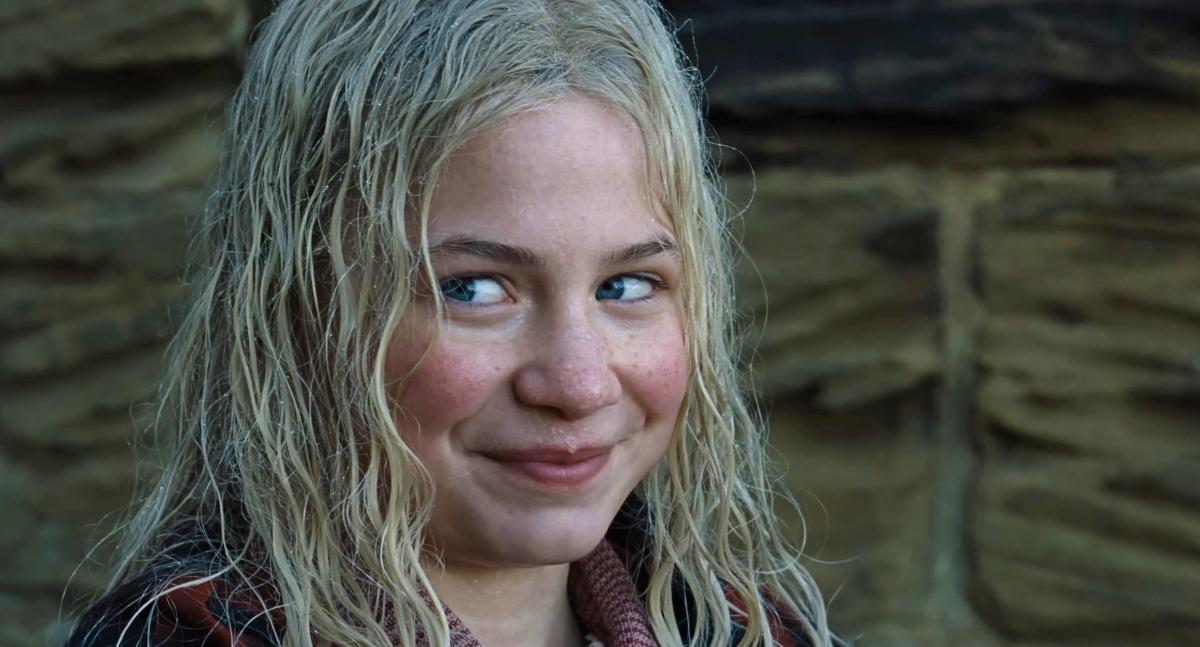
The film, like Bronte’s novel, begins with an act of charity, but unlike the book, that virtue gives way to villainy and menace. Mr. Earnshaw (Martin Clunes), the owner of Wuthering Heights, returns from Liverpool with an orphan boy whom he adopts and makes part of his family. Earnshaw’s daughter, Cathy, names the lad Heathcliff. She and the family initially reject him as a primitive outsider. The movie dispenses with the coarse book descriptions of Heathcliff as a “dark-skinned gypsy” and an “imp of Satan.” However, describing him as degrading, beggar-like and even malodorous hardly qualifies as a bow to higher standards of etiquette. The father turns malevolent and cruel, but Cathy, both repelled by and attracted to the boy’s brooding and somewhat dangerous persona, befriends him. The two are raised as brother and sister, but their bond moves beyond the filial and becomes a possessive Punch and Judy death dance that leads to craven moral choices, spiritual decay and ultimately, physical ruin.
The movie has a specter-like atmosphere throughout, almost vampiric in the life-draining and begging-to-be-let-in antics of both Cathy and Heathcliff. There are numerous peering-through-window scenes but none of the gothic woefulness that one would expect from such gazing. Voyeurism is a running theme that begins with the film’s opening, a gruesome and senselessly eroticized execution by hanging, to spying on servants engaged in sadomasochistic sex, to climbing a trellis to eavesdrop on a neighbor’s picnic. Nosiness becomes a major plot driver but it’s also a means of whitewashing the grave choices that the lovers make.
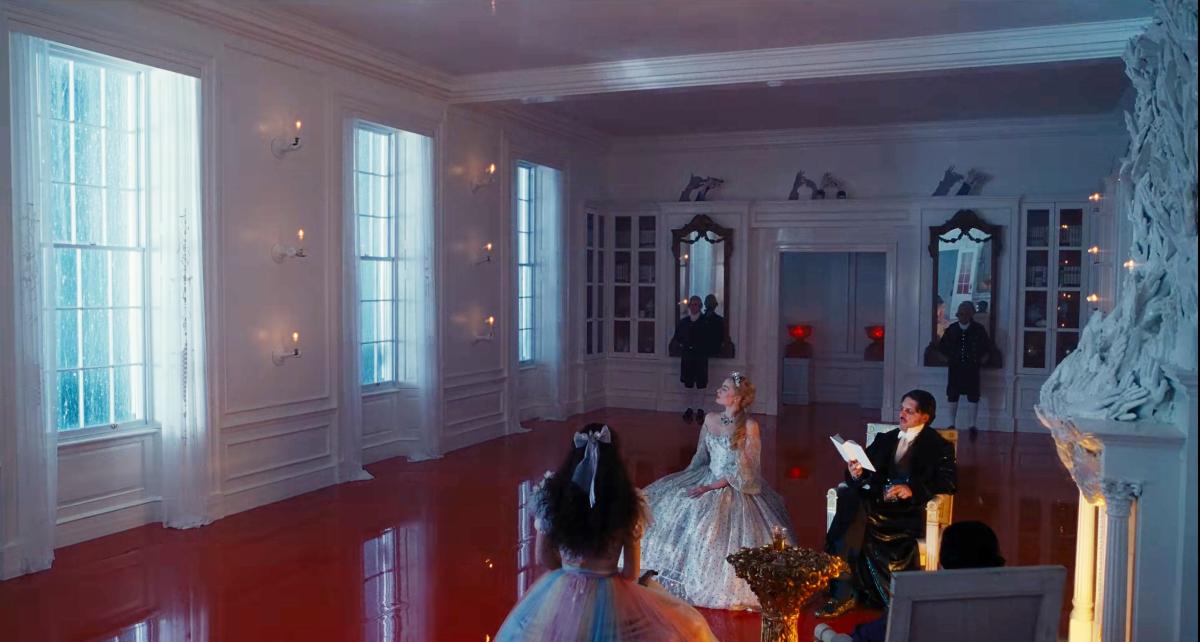
The ghost-roaming-the-moors motif of the novel and the earlier adaptations is missing in the new version, yet Fennell’s rendering is more steeped in death than any of its predecessors. A spiritual sadness hovers over Cathy and Heathcliff’s romance, but with so much flesh on view all sense of the mysterious or the transcendent gets lost. The focus on the carnal is irksome, odd and, at times, just silly, especially the fixation on Cathy’s bedroom wallpaper which is tinted to match her skin, complete with a blemish copied from her face.
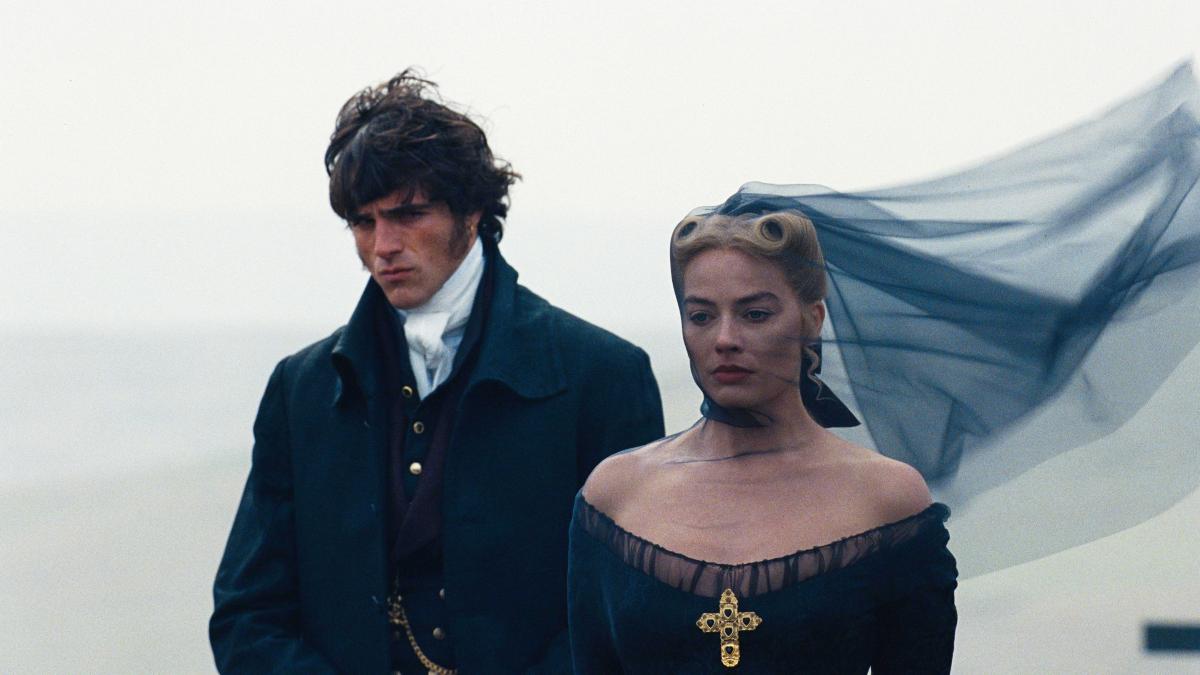
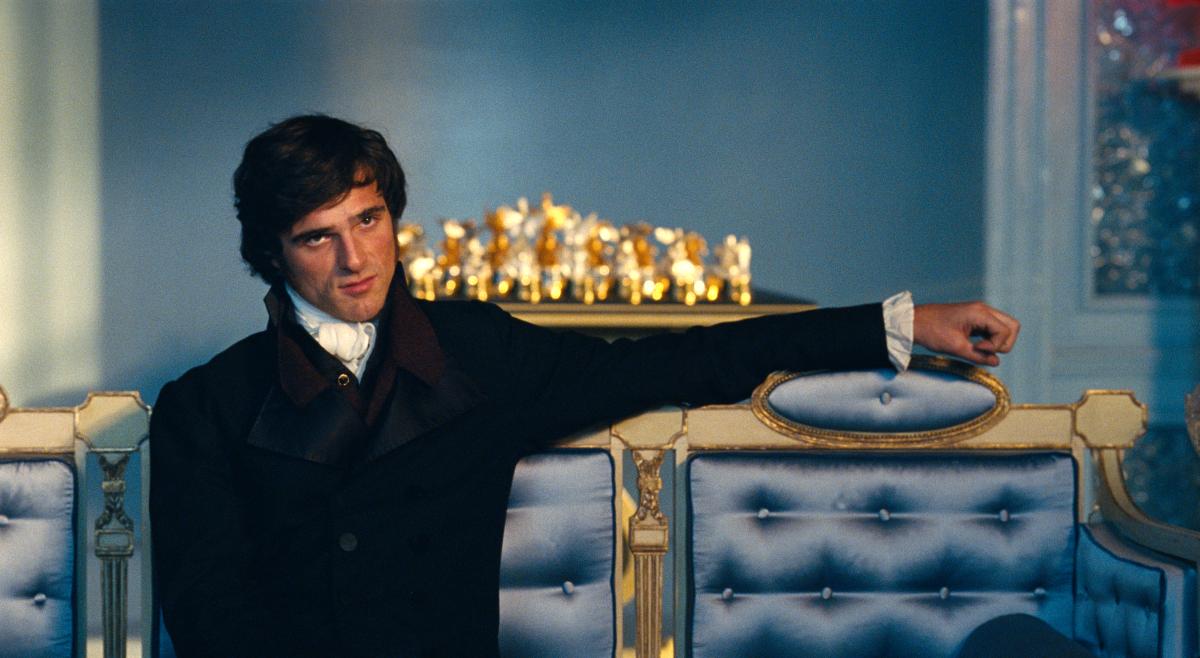
While once again eavesdropping, this time outside Thrushcross Grange, the next-door estate of wealthy bachelor Edgar Linton (Shazad Latif), Cathy falls and sprains her ankle. Edgar takes her into his home where she stays to recover. Edgar falls in love with Cathy who in turn develops a genuine affection for him. The film trips over one of many heath stones along its path by casting Latif as Edgar. His visage fits Heathcliff’s better than Jacob Elordi who looks like he wandered off a Woodstock stage and not from some dark distant land. It seems to be yet one more casting bow to a trend instead of to common sense.
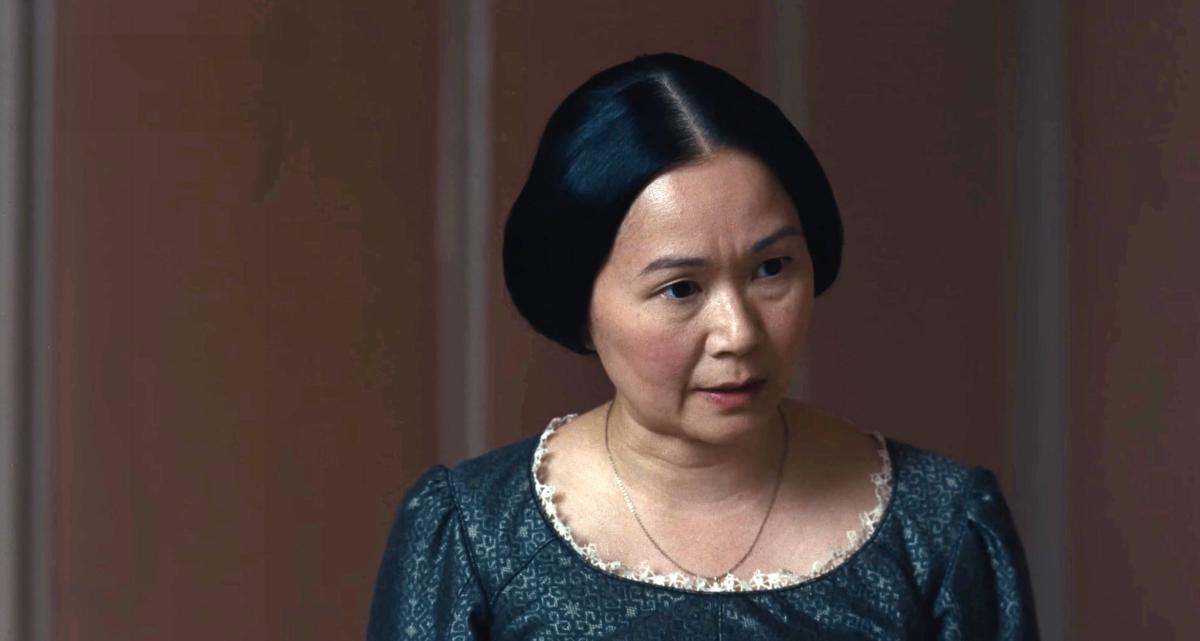
The same is done with the part of housekeeper Nelly (Hong Chau). Her original role as the story’s narrator has been turned into one of a repressed scoundrel, yet another device used to excuse the conduct of Cathy and Heathcliff and attribute their misfortunes to outside forces.
Cathy is as attracted to Edgar as she is to Heathcliff, but in a different way. She understands the benefits of wedding a man with a steady income, but she can’t bring herself to give up the bad boy. If this were a Jane Austen story the heroine would choose sense over sensibility and pick a husband that would provide her a loving home and a generous income.
“It is a truth universally acknowledged, that a single man in possession of a good fortune, must be in want of a wife…this truth is so well fixed in the minds of the surrounding families that he is considered as the rightful property of some one or other of other of their daughters.” Jane Austen, Chapter 1, “Pride and Prejudice”
But Wuthering Heights was written later, during literature’s Romantic Period, when individualism reigned over duty, emotion over reason, and imagination over logic. Cathy indeed understood the safety, security and status that Edgar and Thrushcross Grange could provide, but she could not repel the magnetic pull of the hot-blooded Heathcliff and the wind-swept mores. Ultimately and tragically, she chooses both men.
When she marries Edgar, Heathcliff abandons Wuthering Heights for several years. When he does return, Cathy is pregnant with Edgar’s child, but she cannot resist Heathcliff’s allure. A fitful obsessive affair ensues, one that results in divided homes, divided personalities and ultimately divided souls.
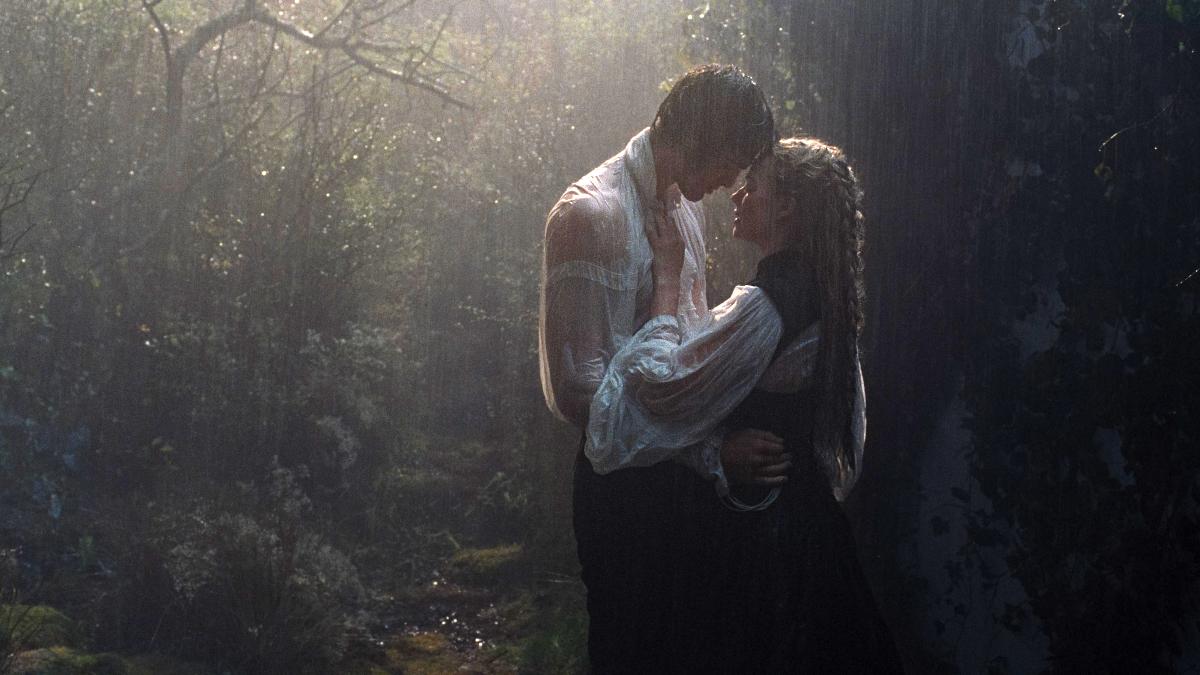
The film’s performances vacillate between prosaic and embarrassing. As in her other films, Fennell has her actors engage in peculiar sexual feats posing them on top of rocks, in barn lofts or outdoors under the rain. The downpours hardly come off as foreboding or salvific. They merely allow the costumes to go from shimmering to see-through. Those moments aim for an erotic flourish, but they come off as tawdry, a “Bridgerton” rip-off aimed at a a higher-rent set. Despite her youthful blond elegance, Margot Robbie is too old to play Cathy. The impulsive girl with bouncy brown ringlets who was most at home brandishing a riding crop and darting through heather is now pale and a bit icy even when she strolls through pig’s blood, runs her hands over sadomasochistic tools or eavesdrops on the help as they frolic in the hay.
Elordi, although younger than Robbie, is also wrong. He’s brutal when it’s called for and refined when necessary, but he can’t bring the two together in one man. It’s a schizoid, unfinished performance. He would have been better cast as Edgar, staid and vacant, and in need of a sip of Cathy’s Red Bull energy. Despite acting out all his perverse inclinations and inflicting real harm on the woman he marries (Edgar’s ward Isabella, portrayed by Alison Oliver as an insufferable ninny), Heathcliff’s blazing core barely surfaces. No light ever shines enough to reveal, let alone overcome, his darkness.
Q & A
- Why should every follower of Christ avoid spiritual darkness and seek spiritual light?
- Sexual lust outside of marriage—Why does God strongly warn us about it?
Jacob stands, or leans, in stark contrast to Laurence Olivier’s great performance (I believe it is his best) as Heathcliff in Wyler’s 1939 film. The glare in Olivier’s eyes upon his return to Wuthering Heights, especially during the ball scene at Thrushcross Grange, tells us everything about Heathcliff: who he was, who he is now, and sadly, what he has become. Handsome clothes may adorn the surface, but they cannot conceal, the beast that lies beneath.
Emerald Fennell is lauded as a director who is bold and fearless, an artist who plays by her own rules. Praised for her unwillingness to bow to popular taste, she depicts the world as a sexual arena, a modern-day Colosseum where matches are played to the death. The contradiction, of course, is that Fennell herself is quite popular. She already has one Academy Award under her belt. Popularity, however, differs from taste. The former can be sought after, found, even bought. But such is not the case with the latter. It’s best to possess taste in the first place. And this “Wuthering Heights,” sadly, is an affront to it.
- Violence: Extreme
- Sex: Extreme
- Vulgar/Crude language: Very Heavy
- Profane language: Heavy
- Wokeism: Moderately Heavy
- Drugs/Alcohol: Moderate
- Nudity: Minor
- Occult: Minor
See list of Relevant Issues—questions-and-answers.

PLEASE share your observations and insights to be posted here.
My Ratings: Moral rating: Offensive / Moviemaking quality: 1