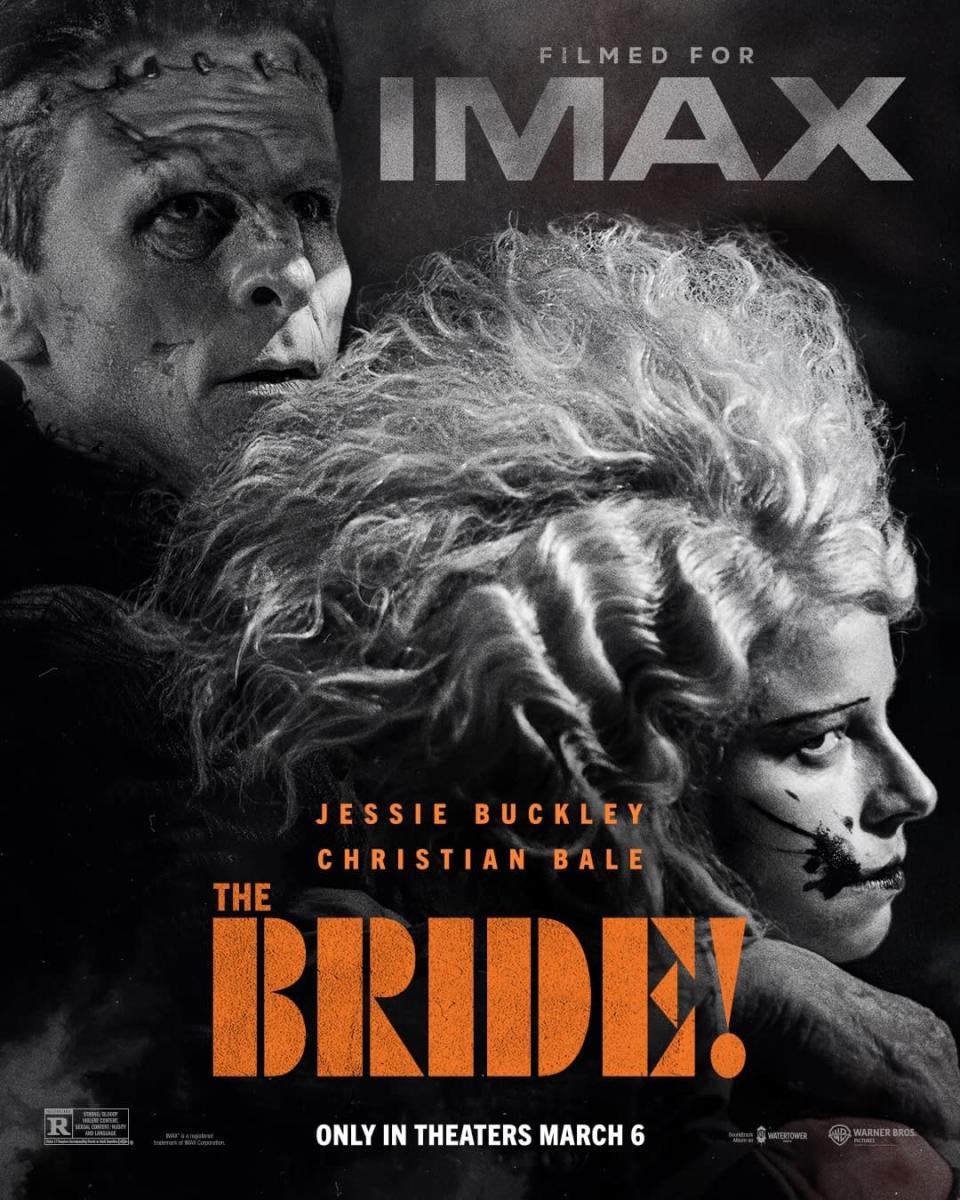
The Bride!
 for strong/bloody violent content, sexual content/nudity and language.
Reviewed by: Jim O'Neill
CONTRIBUTOR
| Moral Rating: | Extremely Offensive |
| Moviemaking Quality: |
|
| Primary Audience: | Adults |
| Genre: | Gothic Horror Romance |
| Length: | 2 hr. 6 min. |
| Year of Release: | 2026 |
| USA Release: |
March 6, 2026 (wide release) DVD: May 19, 2026 |

Setting: 1930s Chicago
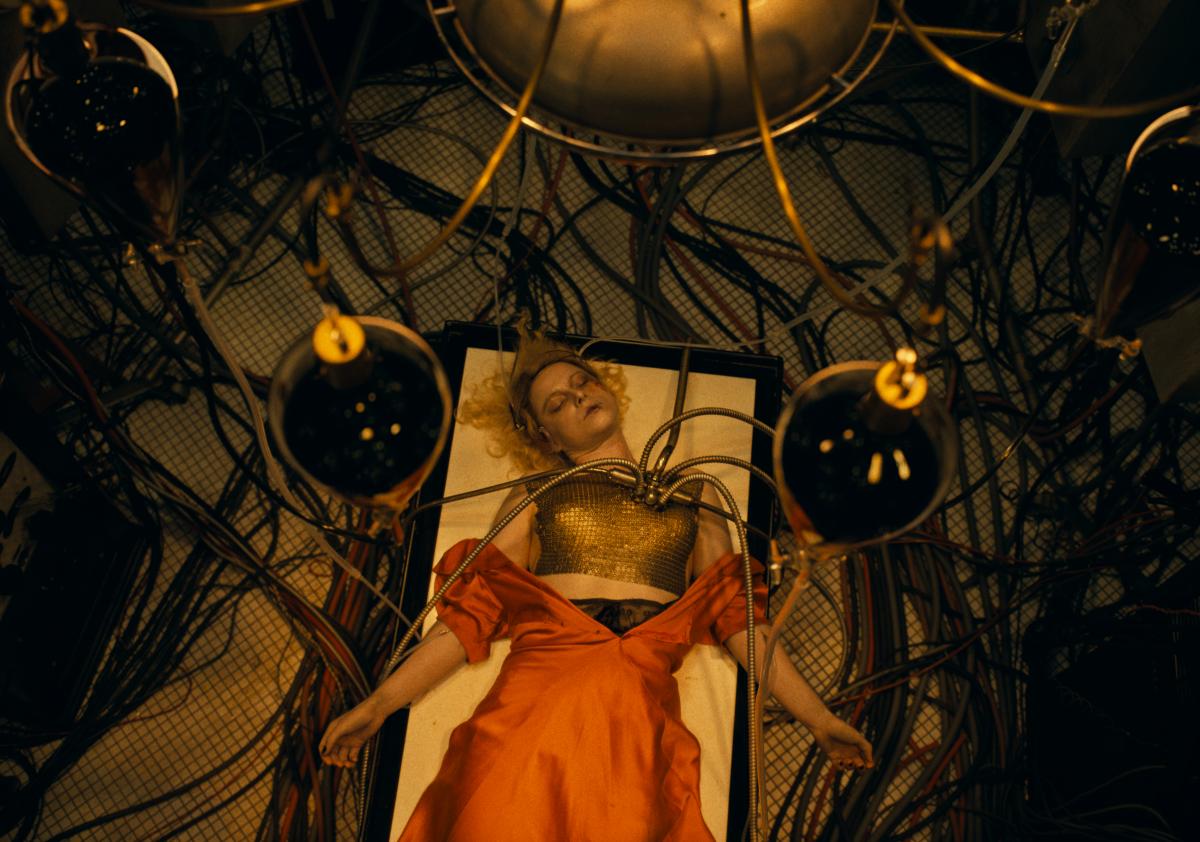
Resurrection from death by a scientist
Has death always existed? Why does it exist?
| Featuring |
|---|
|
Jessie Buckley … The Bride / Ida / Mary Shelley Christian Bale … Frank / Frankenstein’s Monster Jake Gyllenhaal … Ronnie Reed Peter Sarsgaard … Det. Jake Wiles Annette Bening … Dr. Euphronius Penélope Cruz (Penelope Cruz) … Myrna Mallow Julianne Hough … Iris / Jinx John Magaro … Clyde See all » |
| Director |
|
Maggie Gyllenhaal |
| Producer |
|
Maggie Gyllenhaal Emma Tillinger Koskoff See all » |
| Distributor |

“This is what the LORD says: ‘Cursed is the man who trusts in mankind And makes flesh his strength, And whose heart turns away from the LORD.’” —Jeremiah 17:5
“Death is a Dialogue between
The Spirit and the Dust.
“Dissolve” says Death—The Spirit “Sir, I have another trust” —Emily Dickinson, Poem 1692
Maggie Gyllenhaal’s Mrs. Frankenstein is no longer “the bride of.” Instead, she is merely “the bride,” uncoupled not just from a bridegroom but from a human race. Not fashioned from a rib, not a “help meet” to a husband, and not a mother to sons and daughters, she is a pagan creation, unearthed and undead. Reborn a fiery but cold fourth-wave feminist, she sports a black tongue that spews TikTok style political blather from a body not of woman born but from lifeless tissue re-animated from electrode cables once used to bring cats and moles back from the dead.
James Whales’ “Bride of Frankenstein” is a baroque horror masterpiece, full of wry humor, ardent pathos and earnest moral insight. It is arguably the best of all monster movies. Gyllenhaal attempts an homage to Whale as well as ones to gangster capers (she copies freely and shamelessly from “Gun Crazy” and “Bonnie and Clyde”), and Hollywood musicals (Busby Berkeley pageantry without the poetry) of the same period, but her cinematic Mixmaster loses control and makes a hash of what she calls a “ghost story, a horror story and a love story.”
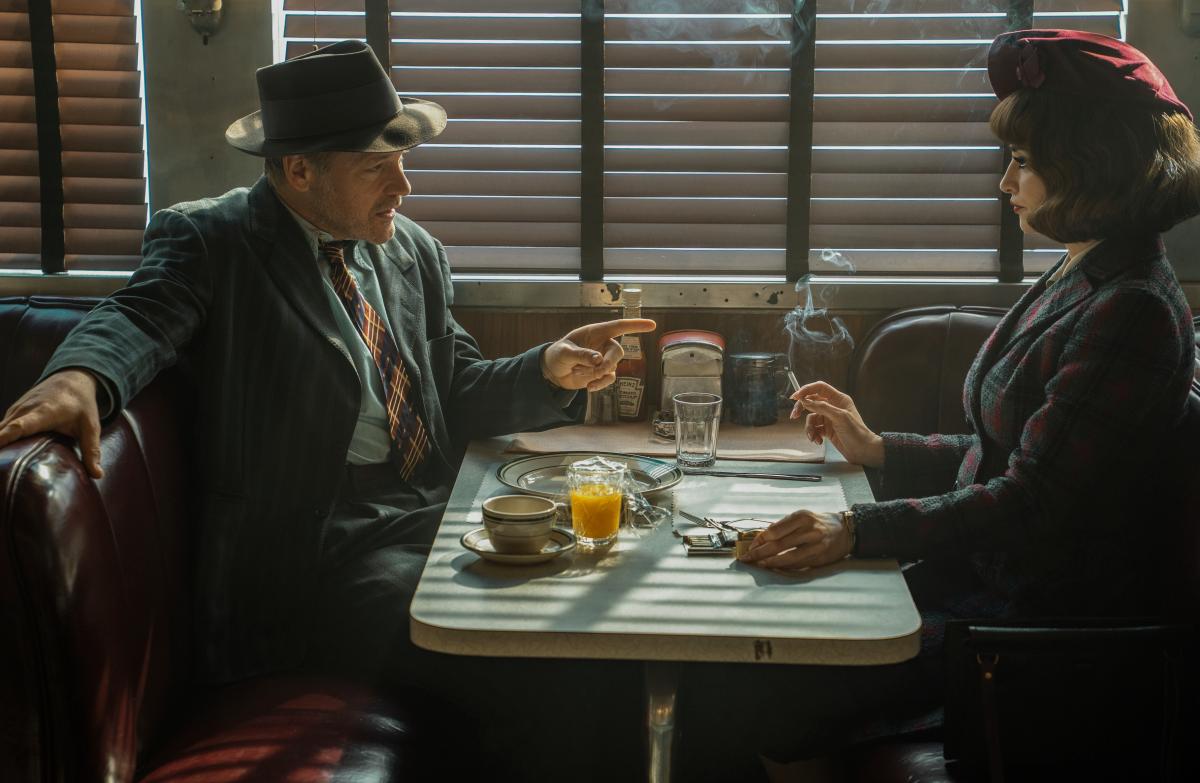
“The Bride!” is set in 1930s Chicago, a city of Gothic barbarism and Art-Deco symmetry, a mix of speakeasy flippancy and criminal noblesse oblige. Ford coupes, smoky jazz clubs, pinstripe suits and feather stoles gift-wrap a world bathed in random violence, outlaw rule, and tommy gun-meted justice.
The set design has some impact although it lacks the champagne fizz of the opening scenes of “Some Like It Hot” or the dressed-up gangster psychopathy of “Little Caesar.” Underworld speakeasies are more wanton denizens than let-loose escapes. The Frankenstein couple make their home in an abandoned swimming pool, one as empty and lifeless as the graves they were taken from. Gyllenhaal might have been onto something topical had she employed a twenty-first instead of a twentieth century urban setting. If her updated tale needed a context that served up victims who met their fates violently wouldn’t the Chicago of today be more apt? More germane?
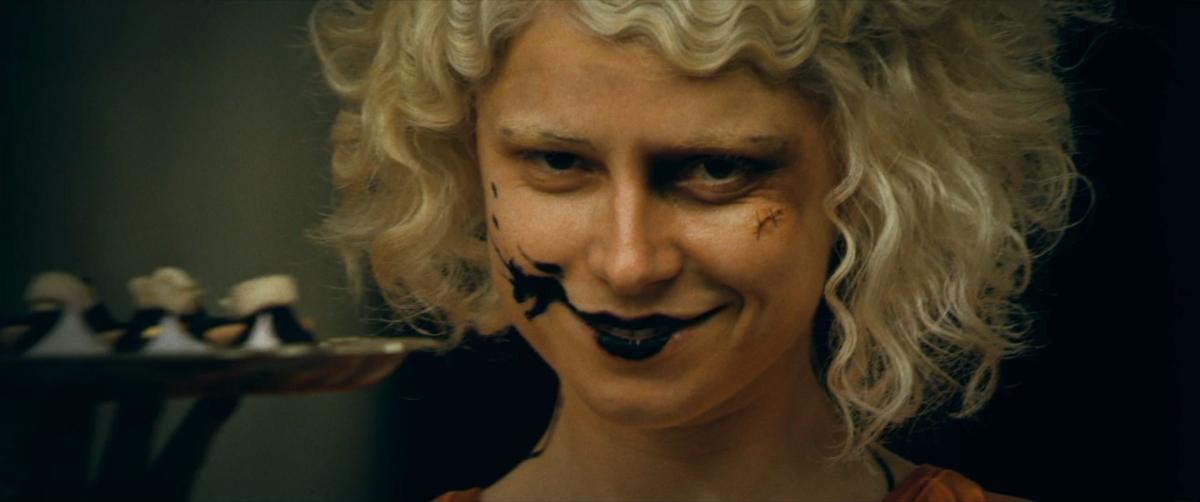
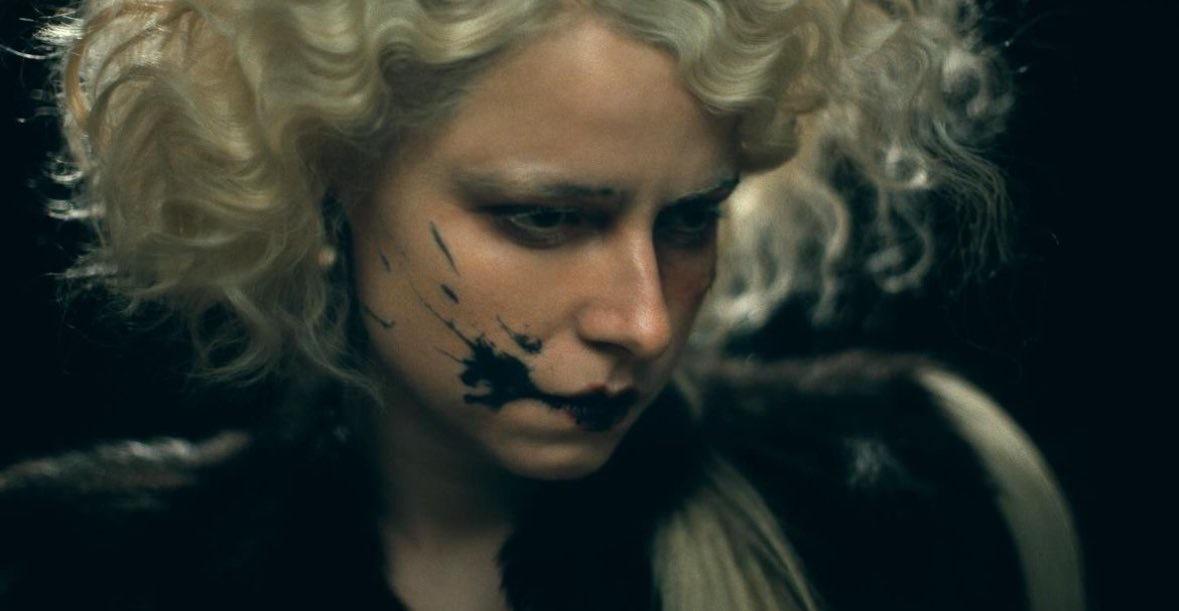
Jessie Buckley overplays not just one part but two. Bathed in muddy black and white, she renders a maudlin caricature of author Mary Shelley emerging as a ghost from the grave. Her Shelley speaks not in metaphors as the author did when she wrote the original Frankenstein, but in an in-your-face journalistic style as though she came back to life as Simone de Beauvoir. Shelley’s ghost uses some odd form of afterlife spiritual control to take over the body and soul of Ida (also played by Buckley), a police stooge who works undercover to ensnare a Capone-style mobster.
The film shifts to color for the 1930s scenes, but the palate stays bland and gray. Under Shelley’s spell, Ida morphs into a crazed mob moll whose erratic, attention-grabbing behavior alarms both her crime-boss targets and the police detectives who employ her. Ida’s exploits make her a less-than-ideal covert operator, and worse, an embarrassing party guest. The crime syndicate quickly adds her to its hit list.
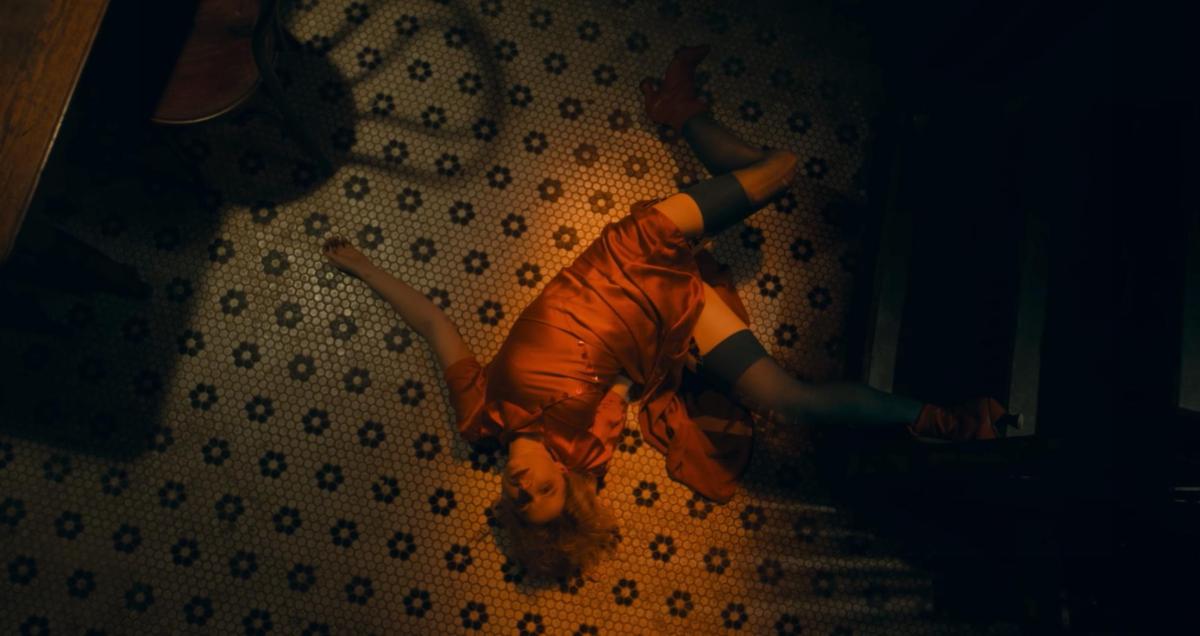
This being a Frankenstein re-tread, Ida’s death, among the most brutal ever put on screen (I still hear each bone splitting and snapping as she is pushed down a flight of stairs) is not so much a casualty as it is an opportunity. Victor’s monster, now known simply as “Frank,” has re-located to the U.S. from Switzerland (some jokes about birth certificates and travel documents are sadly missed). He is now 117 years old and has decided, after a long latency period, that he needs a mate, or what he calls an “intercourser.”
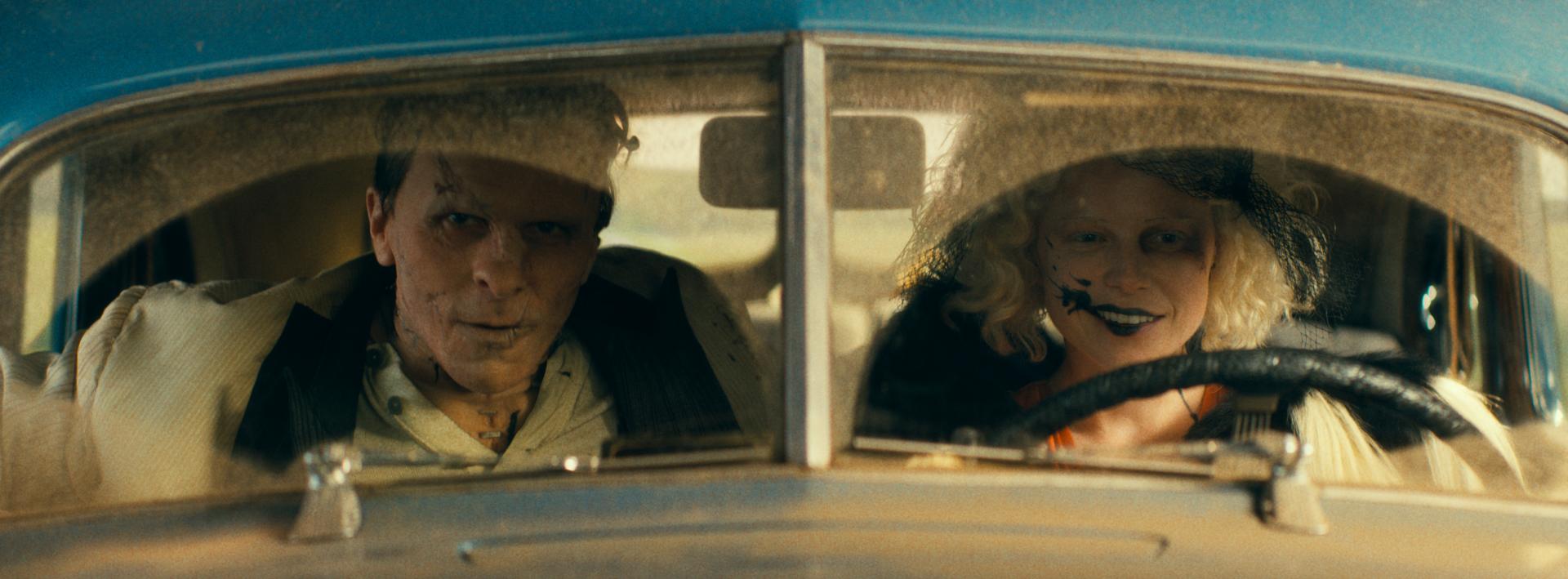
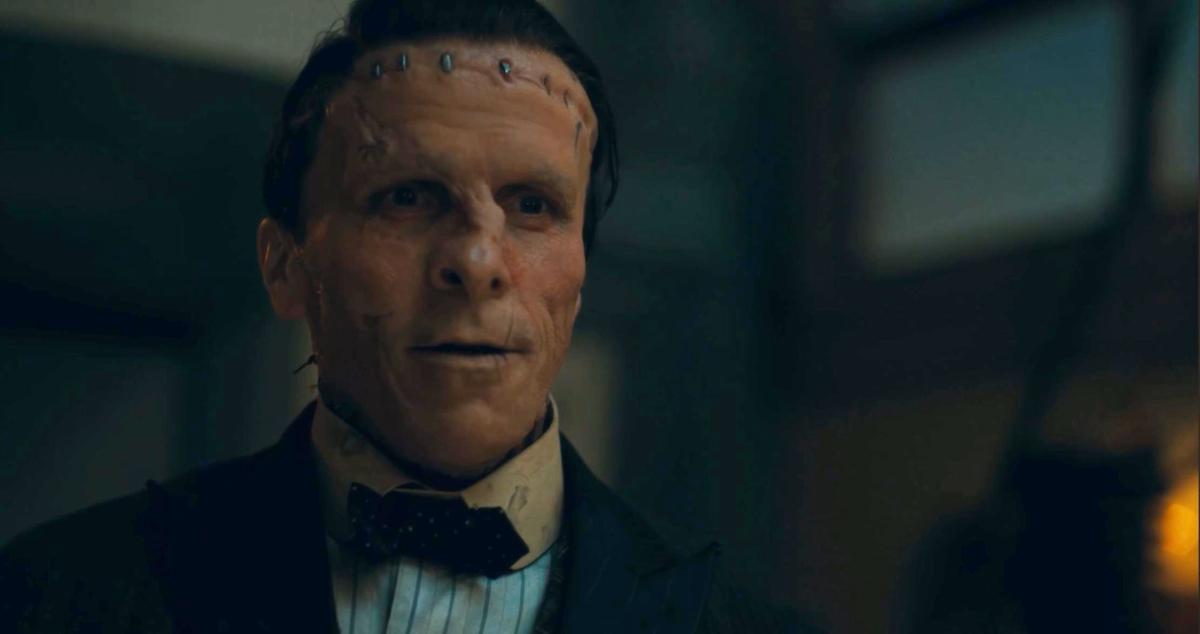
Christian Bale plays the monster in sluggish fashion. He dispenses with the melancholy and tenderness that other actors employed to elicit empathy for the outcast. There is none of the dazed wonder seen in the eyes of the Boris Karloff, the drooping countenance of Christopher Lee, or the gawkish facial and body contortions of Jacob Elordi. Bale speaks in gravely peptic tones as he employs awkward tics that exaggerate numerous and still-unhealed neck and forehead scars. One would think that Dr. Frankenstein, even 117 years ago, could at least have mastered a good running suture.
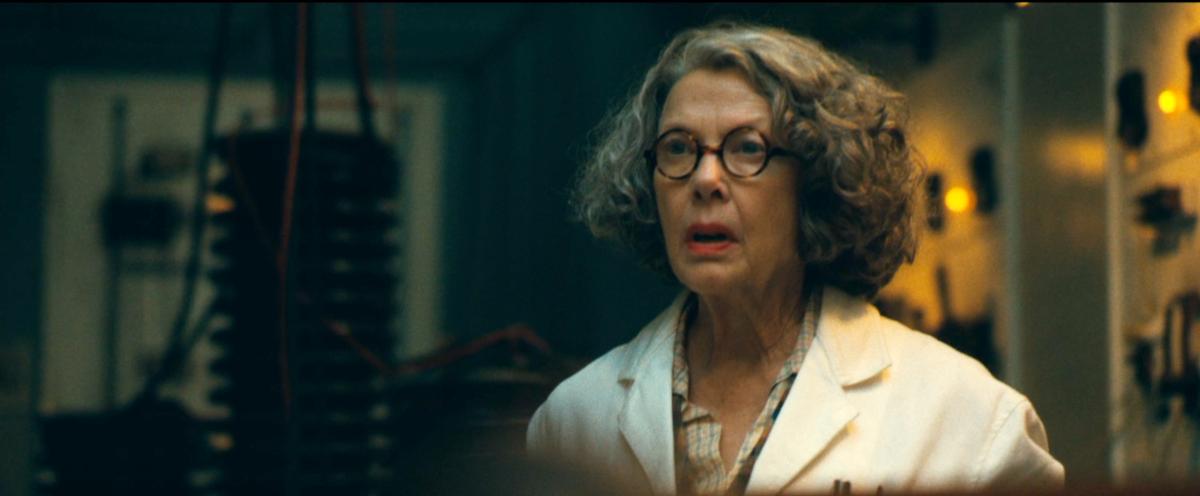
Frank seeks the expertise of Dr. Euphronius (Annette Bening), a scientist with twenty first century political attitude and nineteenth century affectations. She animates dead animals with an electrical device with the aid of her maid, Greta. Jeannie Berlin plays Greta, if not in the memorable style of Dwight Frye as lab assistant Fritz in the original Frankenstein at least with some adroit kookiness that steals every scene she’s in. Hers is the only competent performance in the movie.
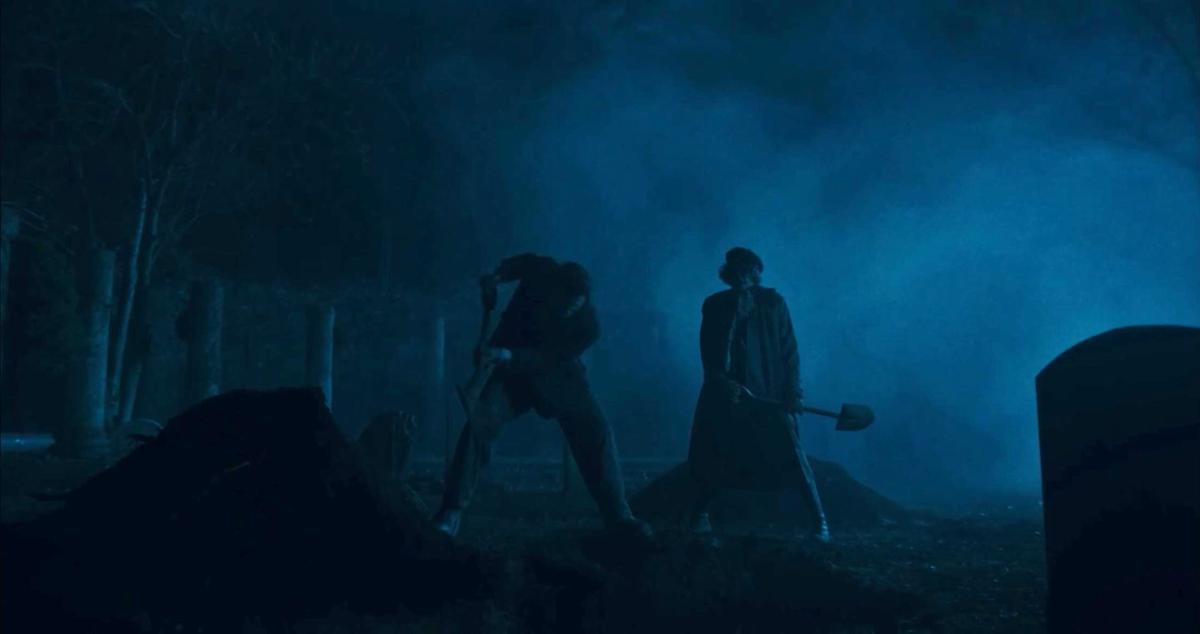
Frank begs Euphronius to try her animating device on something more than a mere cat. He’s willing to help by robbing a grave and bringing Euphonius a corpse. After a lot of mumbo jumbo, “I follow the science” talk, the doctor agrees. The two arm themselves with shovels and electrodes and get to work (again some missed joke opportunities: what kind of carbon footprint would such a high energy experiment produce?). Bening, an actress who can deftly combine drama with comedy, is a dud here. The pixie-like charm of her earlier work is missing here. She is no match for Ernest Thesiger’s Dr. Pretorius, the prototype of the well-mannered madman, and one of the many marvels in Whale’s “Bride of Frankenstein.”
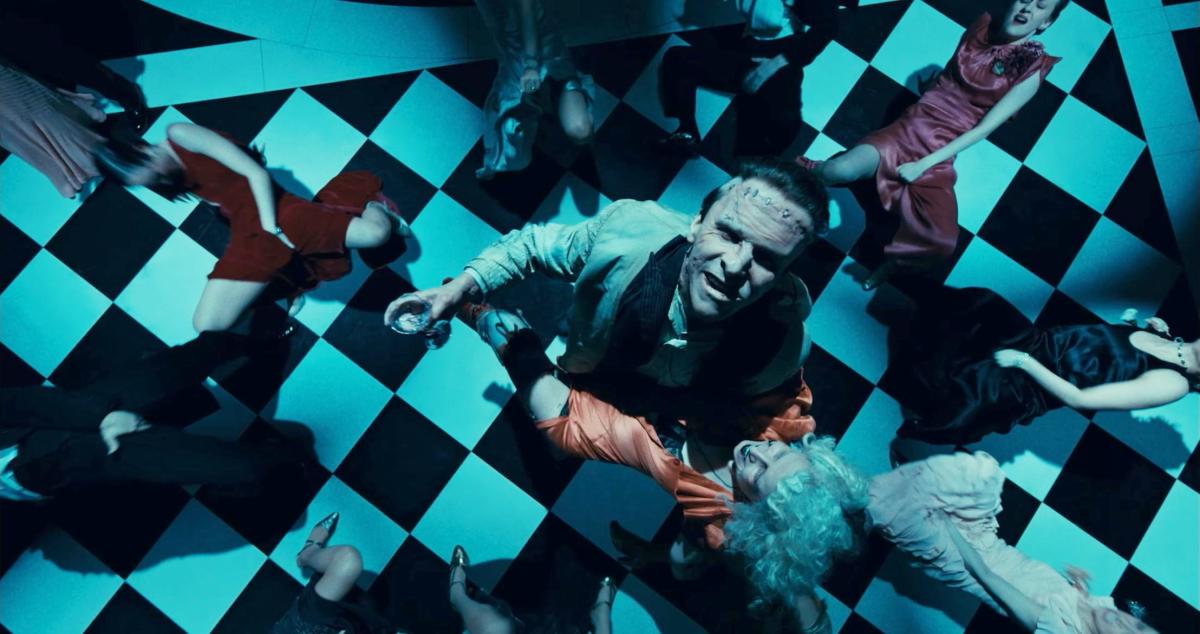
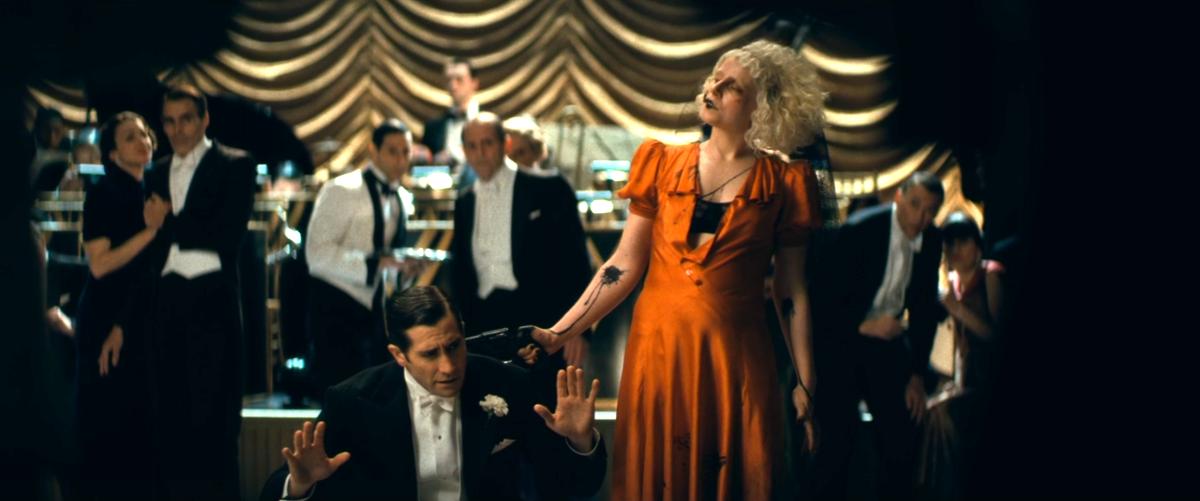
After Ida is re-animated, the movie goes in so many directions that it’s hard to follow the story’s frame and arc. The monster couple go from Chicago to Indiana to New York City to Niagara Falls and back, all of those locales becoming mere backdrops rather than dramatic focal points. Frank and Penny (as Ida is now called for no clear reason) go on a noirish crime spree, make themselves famous by fostering a feminist agit-prop movement, and crash a celebrity party where they stage a cheesy rendition of “Puttin’ on the Ritz.”
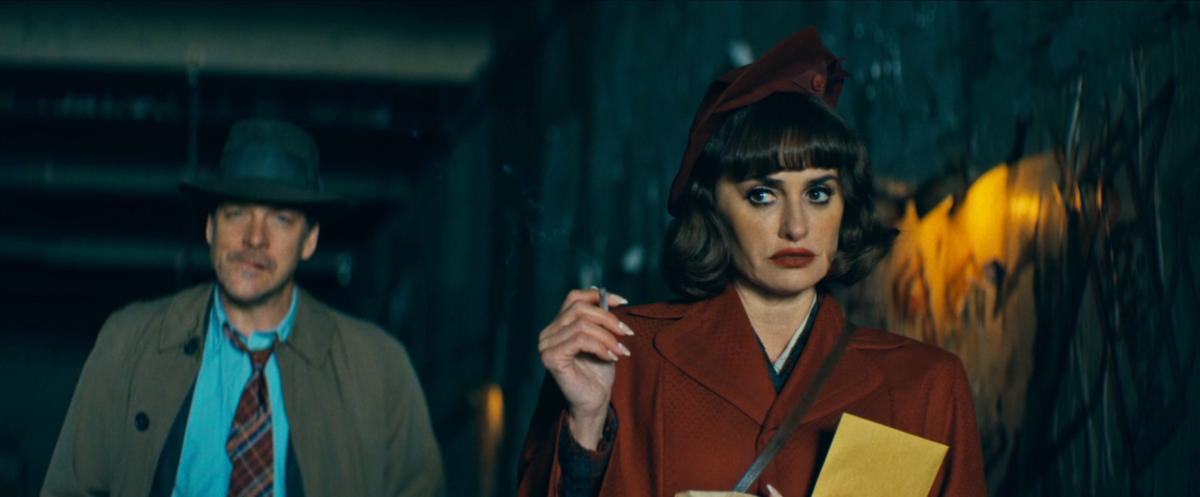
Gothic fantasy, even if it’s modernized, clashes with the hard realism of the noir genre. The police who pursue Frank and his bride are more politicized figures than antagonists to be reckoned with or feared. Penélope Cruz’s Myrna (perhaps a Myrna Loy reference?) is an ardent feminist, but her wardrobe, hairstyling, and make-up paint an illusory figure, not a no-nonsense crime fighter. Her partner, Jake, played languorously by Peter Sarsgaard, is, in contrast, an unkempt lots-of-nonsense policeman, as dead inside as the undead he goes after. If these are “Chicago’s best,” no wonder the city is under siege by criminals.
The subplot in which Frank becomes obsessed with a film star, Ronnie Reed (played sheepishly and unmusically by Jake Gyllenhaal), a kind of Fred Astaire dance man who has a foot defect, reeks of affectation and aberration. There is none of the escape from real-world pain that Woody Allen championed in “The Purple Rose of Cairo,” whose main character chooses realism over fantasy only to find out that real life, unlike life played out on screen, can be a cheat. And one must wonder what the obsession with old Hollywood glamor is all about. Frank’s taste for Art Deco fashion and musicals of the 1930s may be one reason for his hundred plus year latency period. Or point to something else.
There is a lot of anger in this Frankenstein story, but little love. The two sad creatures go through not just one death but two. So I get the wrath. I suppose that dying twice would annoy me too. What could have been a moving story about a struggle between holding on and letting go, between denial and faith, is turned into a rebellion against reality, a fight for power, a yes answer to taking a bow in exchange for all the kingdoms of the world.
Shelley described her monster as having two emotions: love and rage: “if I cannot satisfy one, I will indulge the other.” Dr. Frankenstein and now Dr. Euphronius, do not hand themselves over to God’s mercy and forgiveness; they instead return to Adam’s sin. And the result is Eve’s cry as she and Adam are led out of the garden, not a cry of rage, but a cry of woe.
“As in Adam we all die, in Christ we will be made alive.” —1 Corinthians 15:22
“I ought to be thy Adam, but I am rather the fallen angel,” says the creature to Dr. Frankenstein in Mary Shelley’s classic myth, one that regenerates time and again. And why not? It’s a good story about the limits of man and his desire to overcome those limits, to raise his status from creature to creator. To engage his pride. That engagement is Adam’s sin, and ours. But despite the fracture, a promise has been made. After death comes life, one that “eyes have not seen nor ears have not heard.” I pray for the faith to put my trust in that promise instead of in a shovel, a re-animating electrode, today’s Hollywood, and my own pride.
- Violence: Extreme
- Wokeism: Very Heavy
- Profane language: Very Heavy
- Vulgar/Crude language: Very Heavy
- Occult: Very Heavy
- Sex: Heavy
- Drugs/Alcohol: Moderately Heavy
- Nudity: Moderate
Be wise, every follower of Christ should avoid spiritual darkness and seek spiritual light
Learn about DISCERNMENT, wisdom in making personal entertainment decisions
 Every time you buy a movie ticket or buy or rent a video you are in effect casting a vote telling Hollywood, “I’ll pay for that. That’s what I want.” Read our article
See list of Relevant Issues—questions-and-answers.

PLEASE share your observations and insights to be posted here.